
Cooking crab at home offers numerous advantages. Beyond the sheer satisfaction of creating a gourmet meal, you gain control over freshness, seasoning, and preparation methods. It’s often more cost-effective than dining out and allows for a personalized touch that caters exactly to your taste preferences.
Before diving into cooking methods, it’s essential to understand the different types of crab commonly available. Each species offers unique characteristics in terms of flavor, texture, and size, influencing how you might choose to prepare them.
Popular varieties include the sweet and tender Blue Crab, often used for crab cakes and steaming; the robust and meaty Dungeness Crab, a West Coast favorite; the delicate Snow Crab legs, known for their easy-to-crack shells; and the impressive King Crab legs, prized for their rich, buttery flavor and substantial size.
The first step to a fantastic crab meal is selecting high-quality crab. You’ll typically encounter two main options: live crab or pre-cooked/frozen crab. The choice often depends on availability and your comfort level with handling live crustaceans.
When purchasing live crab, look for specimens that are active and alert. They should move their legs and antennae when handled, indicating vitality. Their shells should be intact and free from strong, unpleasant odors. A heavier crab often means more meat inside.
If opting for pre-cooked or frozen crab, especially crab legs or clusters, ensure they are well-packaged and show no signs of freezer burn. The meat should appear plump and slightly opaque. Frozen crab is a convenient choice, as it’s typically cooked and flash-frozen shortly after being caught.
Having the right tools makes the crab cooking and eating experience much smoother. You’ll need a very large stockpot with a lid, a steamer basket (if steaming), long tongs, and protective gloves for handling live crab. For eating, crab crackers and picks are invaluable.
If you’re cooking live whole crab, a humane and clean preparation is crucial. The most common method involves dispatching the crab quickly before cleaning. Some prefer placing them in an ice bath for 15-20 minutes to slow their metabolism before cooking.
To clean a live crab, hold it firmly from the back. With a swift motion, pry off the triangular or T-shaped flap (apron) on its underside. Then, remove the top shell (carapace) by pulling it off. Scoop out the gills (spongy, grayish material) and any internal organs. Rinse the body thoroughly under cold running water.
How to Cook Crab: The Steaming Method (Highly Recommended)
Steaming is often considered the best way to cook crab, especially for whole crabs, as it preserves their delicate flavor and tender texture without waterlogging the meat. This method is gentle and efficient.
To set up for steaming, place a steamer basket or a rack at the bottom of a large stockpot. Add about 1-2 inches of water, or a flavorful liquid such as beer, wine, or seasoned broth. Ensure the liquid level is below the basket.
Bring the liquid to a rolling boil. Carefully place the prepared live or pre-cooked crab into the steamer basket. If cooking live crabs, place them belly-side up. Cover the pot tightly with a lid.
For live crabs, steam for approximately 10-20 minutes, depending on size. A good rule of thumb is 7-8 minutes per pound. For pre-cooked crab legs or clusters, you only need to heat them through, which usually takes 5-7 minutes.
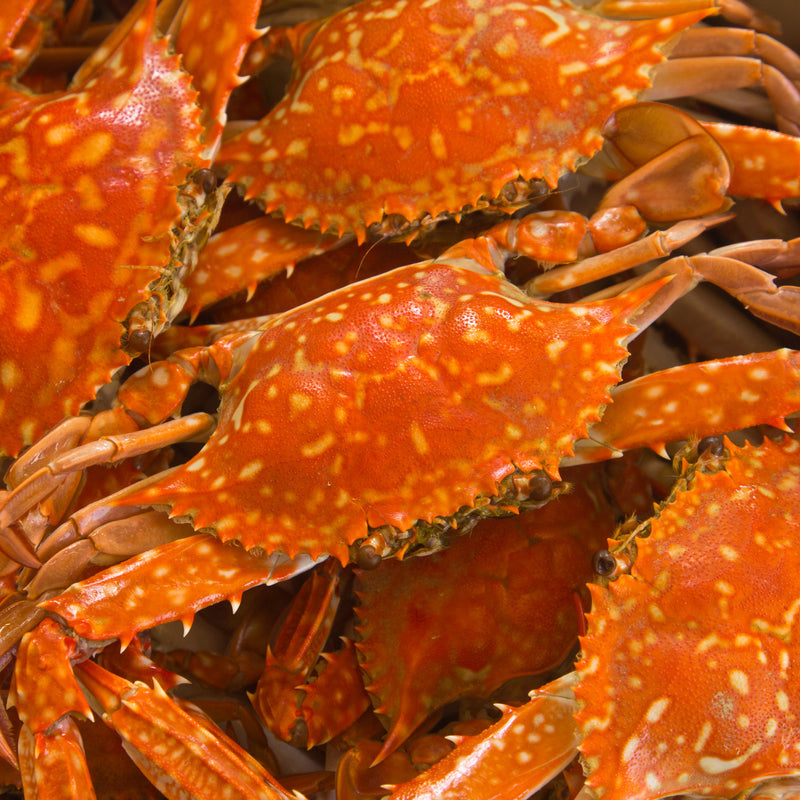
You’ll know the crab is done when its shell turns a vibrant orange-red color. The meat inside should be opaque and firm. Overcooking will result in tough, rubbery meat, so keep a close eye on your timing.
How to Cook Crab: The Boiling Method
Boiling is another popular and straightforward method, particularly good for cooking larger quantities of crab or if you prefer a more seasoned exterior from a spiced boil. It’s a classic for many crab feasts.
Fill a very large stockpot with ample water, ensuring there’s enough to fully submerge the crabs. Season the water generously with salt, Old Bay seasoning, lemon halves, garlic cloves, or any other aromatics you desire. Bring the seasoned water to a rolling boil.
Carefully add the live or pre-cooked crab to the boiling water. If cooking live crabs, add them one at a time to avoid drastically lowering the water temperature. Cover the pot and return to a rolling boil.
For live crabs, boil for 10-15 minutes, again depending on size. For pre-cooked crab legs or clusters, boil for only 3-5 minutes, just enough to heat them thoroughly. As with steaming, watch for the shell to turn bright red and the meat to be opaque.
How to Cook Crab: Baking or Roasting Crab Legs
Baking or roasting is an excellent method for pre-cooked crab legs or clusters, as it gently heats them while allowing you to infuse flavors with butter, garlic, and herbs. It’s also less messy than boiling or steaming.
Preheat your oven to 375°F (190°C). Arrange the crab legs or clusters in a single layer on a baking sheet. You can place them directly on the sheet or in foil packets. Add a splash of water, white wine, or broth to the pan to create steam and prevent drying.
Brush the crab with melted butter, olive oil, or a garlic-herb mixture. Cover the baking sheet tightly with aluminum foil or seal the foil packets. Bake for 10-15 minutes, or until the crab is heated through and fragrant.
The crab meat should be piping hot and easily flake away from the shell. The internal temperature, if measured, should reach 145°F (63°C).
How to Cook Crab: Grilling Crab Legs
For a unique smoky flavor, grilling crab legs is a fantastic option, especially during warmer months. This method works best with pre-cooked crab legs or clusters.
Preheat your grill to medium-high heat. You can either grill the crab legs directly on the grates or wrap them in foil packets. If grilling directly, brush them with oil or melted butter to prevent sticking.
Place the crab legs on the grill. If using foil packets, seal them tightly. Grill for 5-8 minutes, turning once halfway through, until the crab is thoroughly heated and has a slight char if grilled directly.
Seasoning is key to elevating your crab experience. Beyond the classic Old Bay, consider garlic butter, lemon juice, fresh dill, parsley, or a touch of cayenne pepper for a kick. These can be added to cooking water or brushed on during baking/grilling.
When steaming or boiling, creating a flavorful cooking liquid is paramount. Ingredients like bay leaves, black peppercorns, onion wedges, and a squeeze of fresh lemon can permeate the crab meat with delicious aromas.
Serving your freshly cooked crab is simple perfection. The most common accompaniment is a bowl of warm, melted butter, often infused with garlic or lemon. Other popular dipping sauces include cocktail sauce, drawn butter with a hint of white wine, or a spicy aioli.
Cracking and eating crab can be a messy but delightful experience. Use a crab cracker to break open the shells of legs and claws. A small pick or fork helps extract the sweet meat from hard-to-reach crevices. Don’t forget the body meat, which is often equally delicious.
One of the most common mistakes when cooking crab is overcooking. This leads to dry, rubbery, and flavorless meat. Always adhere to the recommended cooking times and err on the side of slightly undercooking, as the crab will continue to cook slightly with residual heat.
Another pitfall is under-seasoning your cooking liquid. Especially with boiling, the water needs to be very salty and flavorful to impart taste to the crab meat. Don’t be shy with your seasonings!
For live crabs, improper handling can lead to stress for the crab and difficulty for the cook. Always handle live crabs with tongs or thick gloves, and consider the ice bath method for humane dispatch.
For perfect crab every time, avoid overcrowding your pot. Cooking too many crabs at once can drastically lower the water temperature, leading to uneven cooking and longer times. Cook in batches if necessary.
If you’re using live crabs, placing them in an ice bath for 15-20 minutes before cooking can make them more docile and easier to handle, contributing to a more relaxed cooking process.
Leftover cooked crab meat should be stored in an airtight container in the refrigerator and consumed within 1-2 days. For longer storage, you can freeze picked crab meat for up to 2-3 months.
To reheat cooked crab, gentle methods are best to prevent drying out. Steaming for a few minutes or baking in a foil packet with a splash of water are ideal. Avoid microwaving, as it can make the meat tough.
Frequently Asked Questions: Can I cook frozen crab without thawing? Yes, for most methods like steaming, boiling, or baking, you can cook frozen crab legs directly, simply adding a few extra minutes to the cooking time.
Frequently Asked Questions: How much crab per person? A good estimate is 1.5 to 2 pounds of whole crab or 1 to 1.5 pounds of crab legs per person, especially if it’s the main course.
Frequently Asked Questions: What pairs well with crab? Beyond butter, consider corn on the cob, coleslaw, roasted potatoes, a fresh green salad, or crusty bread. For drinks, a crisp white wine, light beer, or sparkling water complements the flavors beautifully.
In conclusion, cooking crab at home is a rewarding culinary journey that empowers you to create extraordinary meals. By understanding the different types of crab, selecting the freshest specimens, and mastering the various cooking techniques – whether steaming, boiling, baking, or grilling – you’re well on your way to becoming a crab cooking connoisseur.
Embrace the process, experiment with seasonings, and savor the incredible flavors of fresh, perfectly prepared crab. Your next seafood feast awaits!