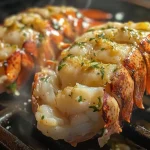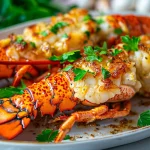
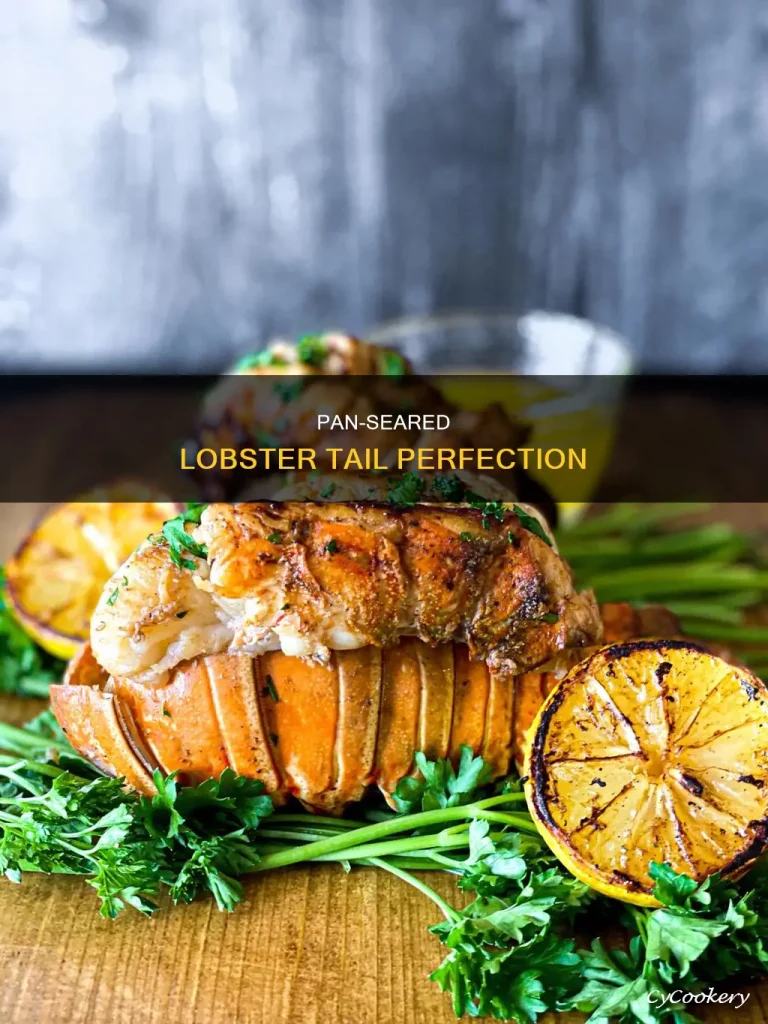

Mastering the art of pan-seared lobster transforms a daunting ingredient into an accessible, gourmet meal. By controlling the heat and utilizing fats like butter and oil, you can create a crustacean dish that is tender, succulent, and rich in flavor. This guide will walk you through the essential techniques required to sear lobster to perfection, ensuring you never have to worry about overcooked, tough meat again.
Why Pan-Searing is Superior
The primary advantage of pan-searing over boiling is the Maillard reaction. This is a chemical reaction between amino acids and reducing sugars that gives browned food its distinctive flavor. When you sear lobster meat in a hot pan, the surface develops a golden-brown crust that adds a savory complexity, contrasting beautifully with the natural sweetness of the meat.
Furthermore, boiling lobster allows the natural juices to escape into the water. Pan-searing seals the exterior, helping to retain moisture within the muscle fibers. When combined with a technique known as butter basting, the result is a decadent, melt-in-your-mouth texture that rivals top-tier steakhouses.
Selecting and Preparing Your Lobster
Great cooking starts with great ingredients. When choosing lobster tails for searing, cold-water lobster (often from Maine, Canada, or Australia) is generally preferred over warm-water varieties. Cold-water tails tend to have firmer, sweeter meat that holds up better to the high heat of a skillet.
If you are buying frozen tails, ensure they are thawed correctly before they hit the pan. Thawing them slowly in the refrigerator for 24 hours is the safest method. If you are in a rush, seal them in a plastic bag and submerge them in cold water for 30 to 60 minutes. Never sear a frozen or partially frozen tail, as this guarantees uneven cooking.
The Butterfly Technique
To ensure even contact with the pan, preparation is key. The most popular method for pan-searing is ‘butterflying’ the tail. Using distinct kitchen shears, cut down the center of the top shell, stopping just before the tail fin. Gently pry the shell open and lift the meat out, letting it rest on top of the shell while remaining attached at the base.
Alternatively, for a pure pan-sear, many chefs prefer to remove the meat entirely from the shell or cut the tail in half lengthwise. Splitting the tail lengthwise allows you to sear the meat directly in the shell, which protects the delicate proteins from burning while imparting flavor from the shell itself.
Essential Equipment for Searing
The choice of cookware plays a significant role in the outcome of your dish. A heavy-bottomed pan is essential for heat retention. Cast iron skillets or multi-ply stainless steel pans are ideal choices. They distribute heat evenly and maintain a high temperature when the cold lobster meat hits the surface, preventing the lobster from steaming in its own juices.
You will also need a reliable pair of tongs for flipping and a large spoon for basting. Finally, an instant-read digital thermometer is the most important tool for accuracy. Lobster goes from perfectly tender to rubbery in a matter of seconds, so guessing is not a strategy for success.
The Step-by-Step Searing Technique
1. Dry and Season: Moisture is the enemy of a good sear. Pat the lobster meat thoroughly dry with paper towels. If the surface is wet, the water must evaporate before browning can occur, which usually leads to overcooking. Season generously with kosher salt and freshly cracked black pepper just before cooking.
2. The Initial Sear: Heat your pan over medium-high heat. Add a high-smoke-point oil, such as avocado oil or clarified butter (ghee). Regular butter will burn at this stage. Once the oil is shimmering, place the lobster meat flesh-side down. Press down gently to ensure full contact with the pan.
3. Resist the Urge to Move: Let the lobster sear undisturbed for about 2 minutes. You are looking for a rich, golden-brown crust. If you try to lift it and it sticks, it likely hasn’t finished searing. Once a crust forms, it will release naturally from the pan.
The Art of Butter Basting (Arrosé)
Once you flip the lobster tails, reduce the heat to medium. This is where the magic happens. Add a generous knob of high-quality unsalted butter to the pan, along with aromatics such as crushed garlic cloves, fresh thyme, or rosemary sprigs.
As the butter melts and begins to foam, tilt the pan slightly so the hot fat pools at one side. Using a large spoon, continuously scoop the hot, infused butter and pour it over the lobster meat. This French technique, known as arrosé, cooks the lobster gently from the top while the bottom finishes cooking, infusing the meat with the flavors of the herbs and garlic.
Determining Doneness
Overcooking is the most common mistake with lobster. The meat is done when it turns opaque and firm to the touch. However, visual cues can be deceiving. The most accurate way to test is with a meat thermometer inserted into the thickest part of the tail.
Aim for an internal temperature of 135°F to 140°F (57°C to 60°C). Remember that the internal temperature will rise another 5 degrees after you remove it from the pan due to carryover cooking. Therefore, pulling the lobster off the heat at 135°F is often the sweet spot for perfect tenderness.
Common Mistakes to Avoid
- Overcrowding the Pan: If you cook too many tails at once, the pan temperature drops drastically, causing the lobster to boil rather than sear. Cook in batches if necessary.
- Burning the Butter: If the heat is too high when you add the butter, the milk solids will burn, creating a bitter taste. Always lower the heat before the basting stage.
- Using Wet Meat: Failing to dry the lobster results in a lack of color and flavor.
Serving Suggestions
Pan-seared lobster is rich and savory, so it pairs best with sides that offer acidity or lightness to cut through the butter. A lemon-dressed arugula salad, steamed asparagus, or roasted broccolini are excellent choices. For a heartier meal, serve it atop a mushroom risotto or garlic mashed potatoes.
In terms of wine pairings, a buttery Chardonnay complements the richness of the dish, while a crisp Sauvignon Blanc or a dry Champagne can provide a refreshing contrast to the savory garlic butter sauce.
Frequently Asked Questions
Can I use olive oil for searing lobster?
While you can use olive oil, extra virgin olive oil has a low smoke point and may burn at high searing temperatures. Light olive oil or avocado oil is better for the initial sear, switching to butter for the finish.
Should I leave the shell on or take it off?
This is a matter of preference. Leaving the shell on (piggyback style) looks dramatic for presentation and protects the meat. Removing the shell entirely makes it easier to eat and allows for a sear on all sides of the meat.
How do I fix rubbery lobster?
Unfortunately, once lobster is overcooked and rubbery, you cannot reverse the texture. You can, however, chop it up and use it in a lobster bisque or chowder where the texture is less noticeable.
Conclusion
Pan-searing lobster is a culinary technique that bridges the gap between home cooking and fine dining. By focusing on moisture control, heat management, and the luxurious finish of butter basting, you can elevate this seafood delicacy to new heights. Whether you are preparing a romantic dinner or a celebratory feast, these techniques ensure that your lobster is consistently juicy, flavorful, and cooked to perfection. Embrace the process, watch your temperatures, and enjoy the incredible results.
:max_bytes(150000):strip_icc()/7617251-f11380e6987e48a8b9158c751a985fac.jpg "The Ultimate Guide to Pan-Seared Lobster Cooking Techniques")