
Why Choose Lobster for Healthy Eating?
Lobster is an excellent source of lean protein, essential for muscle building and repair. It’s also low in fat and calories, making it a great option for those watching their weight. Additionally, lobster is packed with essential nutrients like omega-3 fatty acids, vitamin B12, and selenium, contributing to overall health and well-being.
Understanding Lobster Nutrition
- Calories: Around 90-100
- Protein: Approximately 20 grams
- Fat: Less than 1 gram
- Cholesterol: Approximately 75 mg
- Sodium: Varies depending on preparation
It’s important to note that the way you prepare lobster can significantly impact its nutritional value. Avoid excessive butter or creamy sauces to keep it healthy.
Sourcing Sustainable Lobster
When buying lobster, opt for sustainably sourced options. Look for certifications from organizations like the Marine Stewardship Council (MSC) to ensure the lobster was harvested responsibly, minimizing environmental impact.
Cooking Lobster: Healthy Methods
- Steaming: Steaming is a gentle method that preserves the lobster’s natural flavors and nutrients without adding extra fat.
- Grilling: Grilling adds a smoky flavor while keeping the fat content low. Be careful not to overcook it, as lobster can become tough.
- Poaching: Poaching in broth or water is another healthy way to cook lobster.
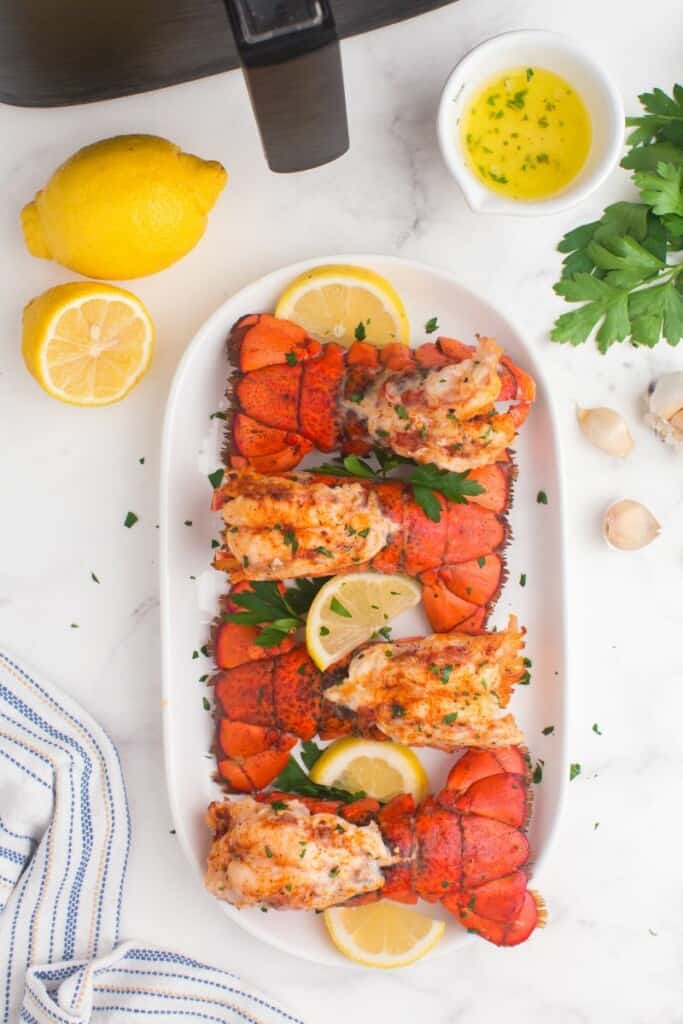
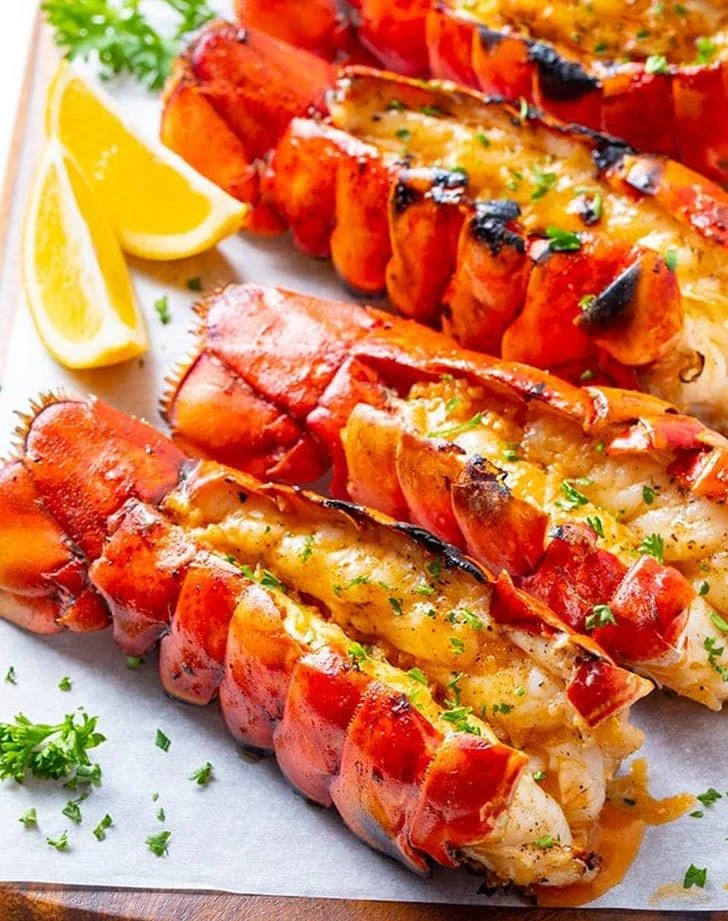
- Baking: Baking lobster is a great way to cook a whole lobster or lobster tails.
Avoid: Deep frying or smothering in butter or creamy sauces.
Healthy Lobster Meal Ideas for Everyday Cooking
Lobster Salad with Avocado and Citrus
This light and refreshing salad is perfect for lunch or a light dinner. Combine cooked lobster meat with diced avocado, grapefruit segments, and a simple vinaigrette made with lemon juice, olive oil, and a touch of honey. Serve over a bed of mixed greens.
Lobster and Vegetable Stir-Fry
A quick and easy stir-fry with lobster and your favorite vegetables is a nutritious and satisfying meal. Sauté the lobster with broccoli, bell peppers, snap peas, and a light soy sauce-based sauce. Serve over brown rice or quinoa.
Lobster Tacos with Mango Salsa
Add a tropical twist to your taco night with lobster tacos. Grill or pan-sear the lobster and serve in warm tortillas with a vibrant mango salsa, shredded cabbage, and a squeeze of lime.
Lobster and Quinoa Bowl
Create a balanced and protein-packed bowl with cooked quinoa, lobster meat, black beans, corn, and a drizzle of avocado crema. This is a great option for meal prepping.
Lobster and Asparagus Frittata
A frittata is a versatile and healthy way to use leftover lobster. Combine beaten eggs with cooked lobster, asparagus, and a sprinkle of Parmesan cheese. Bake until set for a delicious brunch or light dinner.
Lobster Bisque (Lightened Up)
Enjoy the classic lobster bisque without the guilt by using a light broth or vegetable stock instead of heavy cream. Puree the lobster shells to add flavor and richness.
Lobster and Zucchini Noodles
For a low-carb option, try pairing lobster with zucchini noodles (zoodles). Sauté the zoodles with garlic, olive oil, and cooked lobster for a quick and healthy meal.
Tips for Cooking Lobster at Home
- Don’t Overcook: Lobster becomes tough and rubbery when overcooked. Cook it just until the meat is opaque and firm.
- Use a Thermometer: Use a meat thermometer to ensure the lobster is cooked to the correct internal temperature (140°F or 60°C).
- Season Simply: Lobster has a delicate flavor, so simple seasonings like salt, pepper, and lemon juice are often the best.
- Buy Fresh or Frozen: Fresh lobster is ideal, but frozen lobster tails can also be a convenient option. Thaw them completely before cooking.
Common Mistakes to Avoid When Cooking Lobster
- Overcooking: This is the most common mistake. Keep a close eye on the lobster and remove it from the heat as soon as it’s cooked through.
- Not Seasoning Enough: Lobster needs seasoning to bring out its flavor. Don’t be afraid to use salt, pepper, and other herbs and spices.
- Using Too Much Butter: While butter can be delicious, it adds unnecessary calories and fat. Use it sparingly or opt for healthier alternatives like olive oil.
- Ignoring Sustainability: Choose sustainably sourced lobster to support responsible fishing practices.
Frequently Asked Questions (FAQ) About Healthy Lobster Meals
Is lobster high in cholesterol?
Lobster does contain cholesterol, but dietary cholesterol has less impact on blood cholesterol levels than saturated and trans fats. As part of a balanced diet, lobster can be enjoyed in moderation.
Can I eat lobster if I’m on a low-sodium diet?
Lobster naturally contains sodium. Be mindful of added salt during cooking and consider rinsing canned or pre-cooked lobster to reduce sodium content.
How can I tell if lobster is cooked properly?
The lobster meat should be opaque and firm. Use a meat thermometer to ensure it reaches an internal temperature of 140°F (60°C).
What are some healthy side dishes to serve with lobster?
Steamed vegetables, grilled asparagus, quinoa, brown rice, and a fresh salad are all excellent healthy side dish options.
Can I freeze cooked lobster?
Yes, cooked lobster can be frozen. Wrap it tightly in plastic wrap and then in a freezer bag. It’s best to use it within 2-3 months for optimal quality.
Incorporating Lobster into Your Healthy Lifestyle
Adding lobster to your diet can be a delicious way to boost your protein intake and enjoy a variety of essential nutrients. By choosing healthy cooking methods and pairing it with nutritious ingredients, you can create satisfying and guilt-free meals that fit seamlessly into your everyday life. Remember to focus on balanced portions and mindful preparation to fully enjoy the benefits of this wonderful seafood.
Enjoy the journey of experimenting with lobster and creating your own healthy and delicious recipes!