
The Allure of Homemade Kerupuk Ikan Gabus
- Use Fresh, High-Quality Ingredients: Avoid artificial additives and preservatives often found in store-bought versions.
- Customize the Flavor: Adjust the spice levels and seasonings to suit your personal preferences.
- Control the Texture: Achieve the perfect level of crispness and lightness.
- Enjoy a Rewarding Culinary Experience: The process of making kerupuk from scratch is a fulfilling and enjoyable activity.
Ingredient Selection: The Foundation of Flavor
- Cork Fish (Ikan Gabus): The star of the show! Opt for fresh, firm fish with a clean, slightly sweet aroma. The fresher the fish, the better the flavor of your crackers.
- Tapioca Flour (Tepung Tapioka): This provides the structure and elasticity of the dough, resulting in a light and airy texture.
- All-Purpose Flour (Tepung Terigu): A small amount of all-purpose flour helps to bind the ingredients and adds a slight chewiness to the final product.
- Garlic (Bawang Putih): Essential for adding a savory depth of flavor. Use fresh garlic for the best results.
- Shallots (Bawang Merah): Contribute a subtle sweetness and aromatic complexity.
- Ground White Pepper (Merica Bubuk): Adds a mild heat and enhances the overall flavor profile.
- Salt (Garam): Enhances the flavors of all the ingredients. Use fine sea salt for even distribution.
- Sugar (Gula Pasir): A touch of sugar balances the savory flavors and aids in browning during frying.
- Cooking Oil: Choose a neutral-tasting oil with a high smoke point, such as canola or vegetable oil, for frying.
Essential Equipment: Setting Up Your Kitchen
- Food Processor or Blender: For grinding the fish into a smooth paste.
- Large Mixing Bowl: For combining the ingredients.
- Steamer: For pre-cooking the dough.
- Rolling Pin: For shaping the crackers.
- Sharp Knife or Pizza Cutter: For cutting the crackers into desired shapes.
- Deep Fryer or Large Pot: For frying the crackers.
- Slotted Spoon or Spider Skimmer: For removing the crackers from the oil.
- Wire Rack: For draining excess oil.
Step-by-Step Guide to Making Kerupuk Ikan Gabus
Step 1: Preparing the Fish
- Scale and gut the cork fish, removing any bones and fins. Rinse thoroughly under cold water.
- Cut the fish into smaller pieces and place them in a food processor or blender.
- Grind the fish until it forms a smooth paste. You may need to add a small amount of water to facilitate the process.
Step 2: Creating the Dough
- In a large mixing bowl, combine the fish paste, tapioca flour, all-purpose flour, minced garlic, minced shallots, ground white pepper, salt, and sugar.
- Mix well until all the ingredients are evenly distributed.
- Gradually add water, a little at a time, while kneading the dough. The dough should be smooth, elastic, and slightly sticky.
Step 3: Pre-Cooking the Dough
- Divide the dough into several portions.
- Shape each portion into a log or a cylindrical shape.
- Wrap each log tightly in plastic wrap or banana leaves.
- Steam the dough logs for about 30-45 minutes, or until they are firm and cooked through.
- Allow the steamed dough logs to cool completely.
Step 4: Slicing and Shaping the Crackers
- Once the dough logs are cool, unwrap them.
- Using a sharp knife or a meat slicer, slice the logs into thin slices, about 1-2 mm thick. The thinner the slices, the crispier the crackers will be.
- Arrange the slices on a clean surface or a baking sheet lined with parchment paper.
Step 5: Drying the Crackers
- This is a crucial step in achieving the desired crispness. There are two methods you can use:
- Sun-Drying: Arrange the cracker slices in a single layer on a tray and place them in direct sunlight for 2-3 days, or until they are completely dry and brittle. Turn them over occasionally to ensure even drying.
- Oven-Drying: Preheat your oven to the lowest possible setting (around 150°F or 65°C). Arrange the cracker slices on a baking sheet and bake them for several hours, or until they are completely dry and brittle. Leave the oven door slightly ajar to allow moisture to escape.
Step 6: Frying the Crackers
- Heat cooking oil in a deep fryer or a large pot over medium heat. The oil should be hot enough to quickly cook the crackers without burning them. Test the oil temperature by dropping a small piece of cracker into the oil. If it sizzles and floats to the surface immediately, the oil is ready.
- Fry the crackers in small batches, being careful not to overcrowd the fryer.
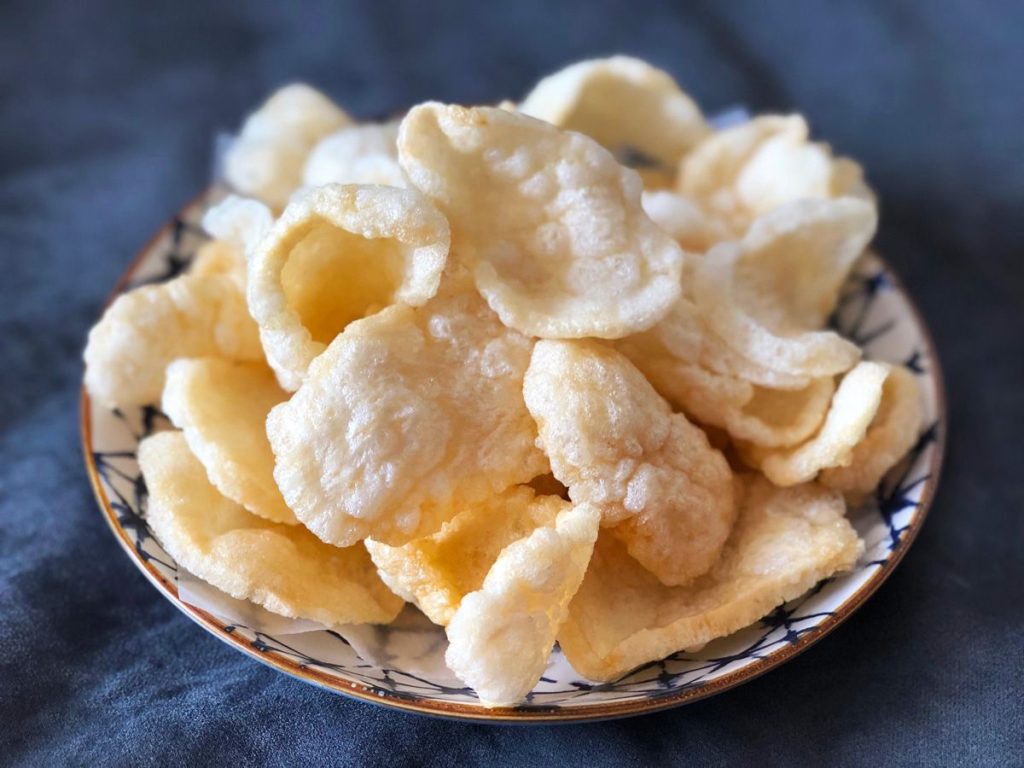
- Fry for about 1-2 minutes per side, or until they are golden brown and crispy.
- Remove the crackers from the oil using a slotted spoon or a spider skimmer and place them on a wire rack to drain excess oil.
Tips for Achieving Perfectly Crispy Kerupuk Ikan Gabus
- Use Fresh Ingredients: As mentioned earlier, the quality of your ingredients is paramount.
- Slice the Dough Thinly: Thin slices will dry and fry more evenly, resulting in crispier crackers.
- Dry the Crackers Thoroughly: Ensure the crackers are completely dry before frying. This is the key to achieving a light and airy texture.
- Maintain the Oil Temperature: The oil should be hot enough to cook the crackers quickly without burning them.
- Don’t Overcrowd the Fryer: Frying in small batches ensures even cooking and prevents the oil temperature from dropping too low.
- Drain Excess Oil: Place the fried crackers on a wire rack to drain excess oil, which will help them stay crispy for longer.
Variations and Flavor Enhancements
- Spicy Kerupuk: Add chili powder or cayenne pepper to the dough for a spicy kick.
- Garlic Kerupuk: Increase the amount of garlic in the dough for a more intense garlic flavor.
- Shrimp Paste (Terasi) Kerupuk: Add a small amount of shrimp paste to the dough for a savory and umami-rich flavor.
- Herbal Kerupuk: Add finely chopped herbs, such as cilantro or parsley, to the dough for a fresh and aromatic flavor.
Serving and Storing Kerupuk Ikan Gabus
Kerupuk ikan gabus are best enjoyed fresh and crispy. Serve them as a snack, a side dish, or a topping for your favorite Indonesian dishes. They pair perfectly with nasi goreng, soto, and gado-gado.
To store leftover kerupuk ikan gabus, allow them to cool completely and then store them in an airtight container at room temperature. They will stay crispy for several days.
Troubleshooting Common Issues
- Kerupuk are not crispy: This is usually due to insufficient drying. Ensure the crackers are completely dry before frying.
- Kerupuk are burning: The oil temperature is too high. Reduce the heat and monitor the crackers closely.
- Kerupuk are too oily: The oil temperature is too low. Increase the heat and ensure the oil is hot enough before frying. Also, make sure to drain the crackers thoroughly after frying.
- Kerupuk are not puffing up: The dough may not be elastic enough. Ensure you knead the dough well and add enough water to achieve a smooth and elastic consistency.
The Cultural Significance of Kerupuk
Kerupuk holds a special place in Indonesian cuisine and culture. It’s more than just a snack; it’s a symbol of hospitality, celebration, and togetherness. Kerupuk is often served during special occasions, such as weddings, birthdays, and religious holidays. It’s also a common accompaniment to everyday meals, adding a touch of crispness and flavor to simple dishes.
Conclusion: Embark on Your Kerupuk Ikan Gabus Adventure
Making your own kerupuk ikan gabus may seem daunting at first, but with a little practice and patience, you’ll be rewarded with a delicious and satisfying snack that you can proudly share with your friends and family. So, gather your ingredients, roll up your sleeves, and embark on your kerupuk ikan gabus adventure today! Enjoy the process, experiment with different flavors, and create your own signature version of this beloved Indonesian delicacy.
Beyond the Recipe: Exploring the World of Indonesian Crackers
- Kerupuk Udang (Shrimp Crackers): Made with shrimp paste and tapioca flour, these crackers are known for their distinctive shrimpy flavor and airy texture.
- Kerupuk Bawang (Garlic Crackers): These crackers are flavored with garlic and often have a slightly sweet taste.
- Emping Melinjo (Melinjo Nut Crackers): Made from melinjo nuts, these crackers have a slightly bitter and nutty flavor.
- Rengginang (Glutinous Rice Crackers): Made from glutinous rice that is sun-dried and then deep-fried, these crackers are known for their crunchy texture and savory flavor.
Exploring the world of Indonesian crackers is a culinary adventure in itself. Each type offers a unique taste and texture experience, reflecting the diverse flavors and traditions of the archipelago.
Health Considerations: Enjoying Kerupuk in Moderation
- Use Healthier Oils: Opt for oils with a lower saturated fat content, such as canola or sunflower oil.
- Control Portion Sizes: Be mindful of how much you’re eating. A small serving of kerupuk can be a satisfying treat.
- Pair with Healthy Foods: Enjoy your kerupuk with a balanced meal that includes plenty of vegetables and lean protein.
- Consider Air-Frying: While not traditional, air-frying can be a healthier alternative to deep-frying.
By being mindful of your consumption and making smart choices, you can enjoy kerupuk ikan gabus as part of a healthy and balanced diet.
Preserving Tradition: The Art of Kerupuk Making
The art of making kerupuk is a time-honored tradition in Indonesia, often passed down through generations. In many communities, kerupuk making is a cottage industry, providing livelihoods for families and preserving cultural heritage. By learning to make your own kerupuk ikan gabus, you’re not only creating a delicious snack but also connecting with a rich culinary tradition.
Final Thoughts: The Joy of Homemade Kerupuk
In conclusion, making kerupuk ikan gabus at home is a rewarding experience that allows you to connect with Indonesian culinary traditions, customize flavors to your liking, and enjoy a truly delicious and satisfying snack. From selecting the freshest ingredients to mastering the art of frying, every step of the process is an opportunity to learn, experiment, and create. So, embrace the journey, have fun in the kitchen, and savor the taste of homemade kerupuk ikan gabus!