
The beauty of Teppanyaki lies in its simplicity. Unlike complex sauces or lengthy marination processes, Teppanyaki emphasizes the natural flavors of the seafood. The high heat of the teppan (iron griddle) sears the outside rapidly, locking in moisture and creating a delightful texture, while the inside remains tender and perfectly cooked.
For those looking to recreate this experience at home, the key is to understand the fundamental techniques and have the right setup. This guide will demystify the process, providing practical tips and ingredient suggestions to help you master quick and easy Teppanyaki seafood.
Shrimp are a Teppanyaki staple for good reason. They cook in mere minutes, absorb marinades beautifully, and their sweet flavor is a perfect complement to the smoky char from the teppan. Ensure they are deveined and, if desired, peeled, leaving the tail on for a visually appealing presentation.
Scallops, particularly sea scallops, are another excellent choice. Their tender, buttery texture is exquisite when seared quickly on both sides. Look for dry-packed scallops, as they will sear better than those treated with preservatives.
Calamari, whether rings or whole bodies, cooks incredibly fast. Overcooking calamari can make it rubbery, so a brief encounter with the hot teppan is all that’s needed to achieve a tender result.
Firm white fish fillets, such as cod, halibut, or snapper, can also be used. Cut them into manageable, bite-sized portions to ensure even cooking. The key is to avoid delicate, flaky fish that might fall apart on the griddle.
For a touch of luxury, lobster tails are fantastic. Split them lengthwise and score the meat to ensure it cooks through quickly and evenly. The rich, sweet flavor of lobster is elevated by the searing process.
Beyond the seafood, the supporting ingredients play a crucial role. Teppanyaki often features a vibrant array of fresh vegetables. Think broccoli florets, sliced bell peppers (various colors for visual appeal), zucchini rounds, asparagus spears, sliced onions, and mushrooms.
These vegetables should be cut into uniform sizes to ensure they cook at the same rate as the seafood. Blanching some of the harder vegetables like broccoli or carrots beforehand can speed up the cooking process on the teppan, ensuring they are tender-crisp rather than raw.
The cooking medium is essential. Traditionally, Teppanyaki uses a high smoke point oil. Neutral oils like canola, grapeseed, or vegetable oil are ideal. Some chefs also incorporate a small amount of butter towards the end of cooking for added richness and flavor, but be mindful of its lower smoke point.
Seasoning in Teppanyaki is typically kept simple to highlight the natural flavors. A basic salt and pepper combination is often sufficient. However, a light marinade or glaze can add another dimension.
For a quick marinade, consider a blend of soy sauce, mirin (Japanese sweet rice wine), sake, and a touch of grated ginger or garlic. Marinate the seafood for no more than 15-30 minutes, as the acidity in some marinades can ‘cook’ the seafood if left too long.
A simple glaze made with melted butter, soy sauce, and a hint of honey or maple syrup can be brushed onto the seafood during the final stages of cooking for a beautiful caramelization.
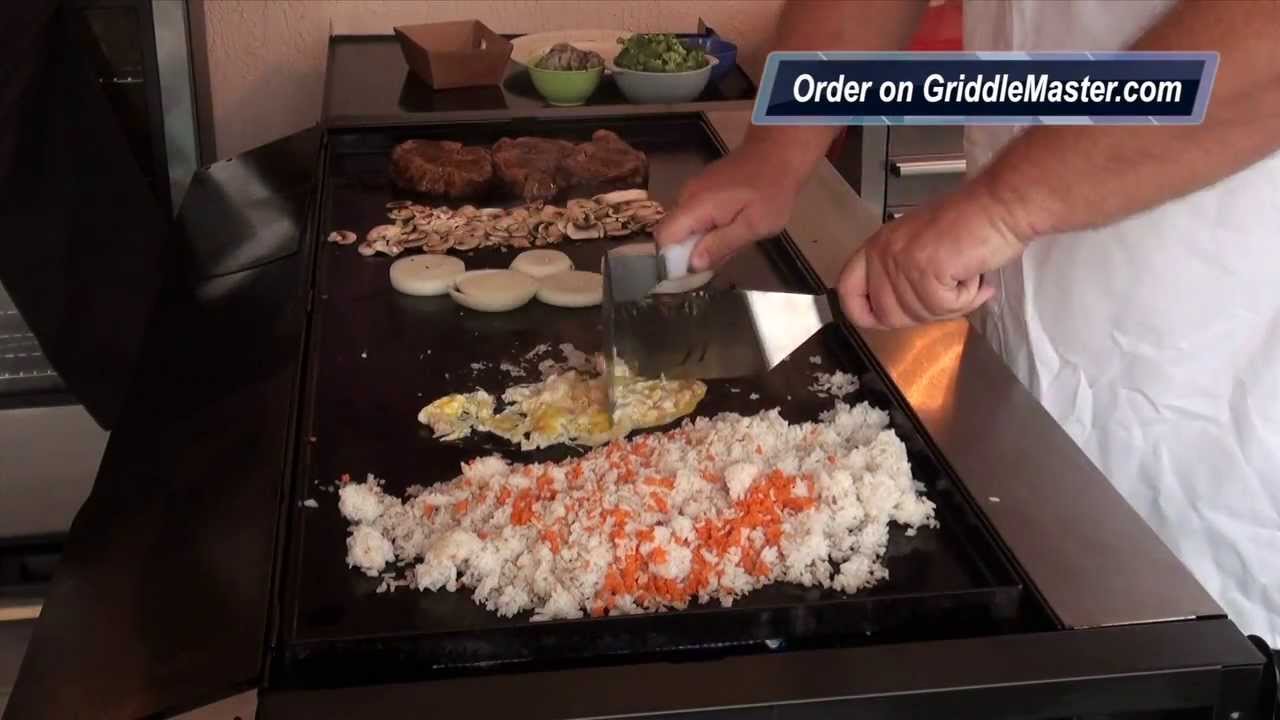
The cooking surface is critical. While a dedicated Teppanyaki grill is the ultimate tool, a large, flat-top griddle or even a heavy-duty cast-iron skillet can serve as excellent substitutes at home. The key is even heat distribution and a sufficient cooking surface area.
Preheating the griddle is non-negotiable. It needs to be screaming hot before any ingredients touch it. This high heat is what creates the signature sear and prevents sticking. Aim for medium-high to high heat.
When cooking, work in batches. Overcrowding the griddle will lower the temperature, leading to steaming rather than searing, and will result in unevenly cooked food. Cook smaller portions at a time, removing cooked items to a plate before adding the next batch.
The cooking technique involves direct contact with the hot surface. Use metal spatulas or tongs to move the ingredients around. A quick sear on each side is usually all that’s needed. For shrimp, this might be 1-2 minutes per side. Scallops, 1-2 minutes per side. Calamari, often less than a minute per side.
Vegetables can be cooked alongside the seafood or separately. If cooking together, add them to the griddle before the seafood, allowing them a head start. Stir-fry them quickly until tender-crisp.
Sauces and accompaniments are usually served on the side. Common Teppanyaki sauces include: a ginger-scallion sauce, a spicy mayonnaise, a soy-based dipping sauce, or a simple lemon wedge.
For a classic Teppanyaki flavor profile, consider a simple ginger sauce. Blend fresh ginger, garlic, green onions, soy sauce, rice vinegar, and a touch of sesame oil. This adds a bright, zesty counterpoint to the rich seafood.
A spicy mayo is easily made by combining mayonnaise with sriracha or other chili paste. It’s a crowd-pleaser and works exceptionally well with shrimp and calamari.
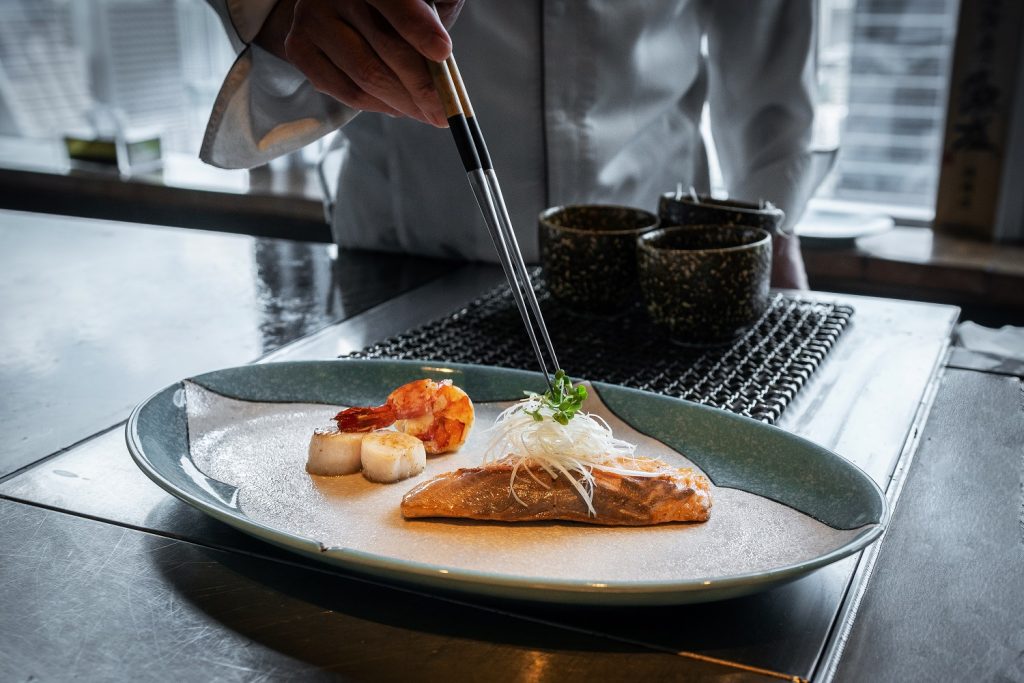
The presentation is part of the experience. Arrange the cooked seafood and vegetables attractively on a plate. Garnish with sesame seeds, chopped green onions, or a sprinkle of chili flakes for extra visual appeal and flavor.
Clean-up is often simpler than expected. Because the cooking is direct and quick, there’s less mess. Once the griddle has cooled slightly, wipe it down with paper towels. For tougher residue, a deglazing with a little water or oil can help lift it.
For those without a dedicated teppan, a large cast-iron skillet offers excellent heat retention and a good searing surface. Ensure it’s well-seasoned and preheated thoroughly.
Induction cooktops can also be a great option for home Teppanyaki, as they offer precise temperature control and rapid heating, mimicking the responsiveness of a professional teppan.
Remember to have all your ingredients prepped and ready to go before you start cooking. Teppanyaki is a fast-paced cooking style, and you won’t have time to chop vegetables or peel shrimp once the heat is on.
Consider the order of cooking. Delicate items like scallops should often be cooked last to prevent overcooking. Hardier vegetables can be cooked first and kept warm.
Don’t be afraid to experiment with different types of seafood and vegetables. The possibilities are endless, from succulent mussels to tender octopus, and crisp snow peas to earthy shiitake mushrooms.
The key takeaway for quick and practical Teppanyaki seafood is preparation. Have everything chopped, measured, and within easy reach. Preheat your cooking surface properly. Cook in small batches. And most importantly, enjoy the process and the delicious results!