
Understanding what constitutes a ‘seafood seasoning base’ is the first step. At its core, it’s a concentrated blend of ingredients designed to provide a foundational flavor profile for seafood dishes. These bases typically include aromatics like garlic and onion, savory elements such as salt and umami-rich compounds (often from dried seafood or yeast extract), and a carefully curated selection of herbs and spices. The goal is to offer a shortcut to a well-developed flavor, saving home cooks valuable time without compromising on taste.
The sheer variety available can be overwhelming. You’ll encounter bases marketed for specific seafood types – shrimp paste, fish stock powder, clam concentrate – as well as more general ‘seafood’ blends. Some are liquid pastes, others are powders, and some come in convenient cubes or granules. Each format has its advantages, and the best choice often depends on your intended application and personal preference.
When embarking on your quest for the perfect seafood seasoning base, prioritize quality ingredients. This might seem obvious, but the difference between a base made with fresh, high-quality components versus one filled with artificial additives and fillers is profound. Look for products that list recognizable ingredients like real shrimp, fish, garlic, onion, and natural herbs early in the ingredient list.
Beware of excessive sodium. While salt is crucial for enhancing flavor, many instant bases are loaded with it to act as a preservative and to boost taste. High sodium content can easily overpower the delicate flavor of seafood and contribute to unhealthy eating habits. Opt for bases with moderate sodium levels or those that explicitly state ‘low sodium’ if it’s a concern for you. Always taste your dish before adding extra salt, especially when using a seasoned base.
Artificial flavors, colors, and preservatives are red flags. These additives often mask a lack of quality ingredients and can impart an unnatural taste to your food. A good seasoning base should rely on natural ingredients for its flavor. Take the time to scrutinize the ingredient list and steer clear of products with long, unpronounceable chemical names.
Consider the source of umami. Umami, the fifth taste, is essential for creating rich, savory flavors. In seafood seasoning bases, umami often comes from dried shrimp, dried fish (like anchovies or bonito), or yeast extract. These natural sources contribute a depth of flavor that synthetic enhancers cannot replicate. Look for these ingredients to be prominently featured.
The intended use of the base is a critical factor. Are you making a quick shrimp stir-fry, a creamy seafood chowder, a delicate fish broth, or a zesty seafood pasta sauce? Different bases are formulated for different purposes. A concentrated liquid paste might be ideal for broths and sauces, while a powder could be better suited for rubs or marinades.
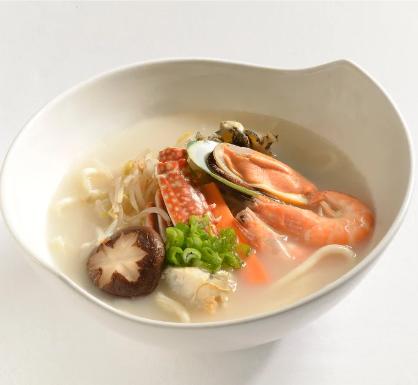
For soups and stews, a good seafood stock or broth base is paramount. These should provide a robust, savory foundation that complements the seafood without being too overpowering. Look for those with a good balance of oceanic notes and aromatic vegetables.
When preparing pan-seared fish or grilled shrimp, a seasoning rub or a marinade base can make a significant difference. These often come in powdered form and are designed to adhere to the surface of the seafood, imparting flavor during the cooking process. Look for blends with complementary spices and herbs.
For creamy dishes like chowders or pasta sauces, a base that dissolves well and adds a rich, savory undertone without introducing too much liquid is ideal. Some cream-based seafood seasoning mixes exist, but often a well-formulated stock or broth base can be enriched with cream or coconut milk.
The aroma of a seasoning base can be a strong indicator of its quality. When you open the package, it should release a pleasant, inviting scent that hints at the fresh ingredients within – perhaps the briny notes of the sea, the sweetness of cooked shrimp, or the pungency of garlic and onion. A weak or artificial smell is a sign to be cautious.
Texture also plays a role. Liquid pastes should be smooth and homogenous. Powders should be fine and free-flowing, without excessive clumping (though a little clumping due to humidity is sometimes unavoidable). Granulated bases should have consistent particle size. Any unusual textures could indicate poor processing or the presence of unwanted fillers.
Don’t underestimate the power of specific seafood bases. If you’re primarily cooking shrimp dishes, a dedicated shrimp seasoning base might offer a more authentic and potent shrimp flavor than a general seafood blend. Similarly, a fish stock base will be tailored to enhance the nuances of fish.
For those with dietary restrictions or preferences, understanding the ingredient list is even more crucial. Check for gluten-free options if you have celiac disease or gluten sensitivity. Look for bases free from MSG (monosodium glutamate) if you’re sensitive to it. Vegan or vegetarian seafood seasoning bases are also available, typically using plant-based ingredients to mimic oceanic flavors.
Experimentation is key. What one person finds to be the ‘best’ might not be your personal favorite. Don’t be afraid to try different brands and types of seasoning bases. Purchase small quantities initially to test them in your cooking. Keep a mental note (or even a physical one) of what you liked and what you didn’t.
Read reviews from other consumers. Online retailers and food blogs often feature customer reviews that can provide valuable insights into the performance and flavor profile of different seasoning bases. Look for consistent praise regarding flavor, ease of use, and ingredient quality.
Consider the brand’s reputation. Established brands that specialize in seasonings or Asian cuisine (where many of these bases originate) often have a track record of quality and consistency. While new brands can be innovative, sticking with reputable names can be a safer bet when you’re unsure.
Think about the versatility of the base. Can it be used in multiple types of dishes? A truly excellent seasoning base should be adaptable. For example, a good shrimp base might work well in stir-fries, fried rice, soups, and even as a rub for grilled shrimp.
When evaluating a base, consider its intensity. Some bases are highly concentrated and require only a small amount, while others are milder and need to be used more liberally. The packaging usually provides usage instructions, but it’s also something to note if you find a product to be consistently too weak or too strong.
The shelf life of a seasoning base is also a practical consideration. Powders and dried ingredients generally have a longer shelf life than liquid pastes, especially if they contain fresh ingredients. Check the expiration date and storage recommendations on the packaging.
For those seeking to replicate specific regional cuisines, research the traditional flavor profiles of those dishes. For example, Southeast Asian seafood dishes often feature a distinct balance of spicy, sour, and savory notes. A seasoning base designed for such a cuisine would likely incorporate ingredients like chili, lemongrass, and fish sauce.
The color of the seasoning base can sometimes be an indicator of its ingredients. A rich, natural color derived from spices or vegetables is generally preferable to a bright, artificial hue. For instance, a shrimp base might have a slightly reddish-brown tint from dried shrimp.
When in doubt, start with a simpler, more traditional base. A well-made shrimp paste or fish stock powder that focuses on core savory and aromatic elements is often a versatile starting point before exploring more complex or niche blends.
Consider the ‘clean label’ trend. Many consumers are looking for products with minimal, easily understandable ingredients. If this is important to you, actively seek out seasoning bases that align with this philosophy.
The best seafood seasoning bases are those that enhance, rather than mask, the natural flavor of the seafood. They should provide a harmonious blend of savory, aromatic, and sometimes spicy or tangy notes that complement the delicate taste of fish, shellfish, and crustaceans.
Ultimately, the journey to finding your favorite instant seafood seasoning base is a culinary adventure. By understanding the key factors – ingredient quality, sodium content, absence of artificial additives, intended use, and personal taste – you can navigate the market with confidence and elevate your home-cooked seafood meals to new heights.
Incorporating these tips will not only help you choose a superior product but will also empower you to become a more intuitive and successful cook. Happy cooking, and may your seafood dishes be ever delicious!
Remember to always taste and adjust seasoning throughout the cooking process. Even the best base is a starting point, and your own palate is the final arbiter of flavor.
Don’t overlook the potential for DIY. While this guide focuses on instant bases, understanding their components can inspire you to create your own custom blends from scratch, offering ultimate control over flavor and ingredients.
Consider the packaging. Airtight, resealable packaging helps maintain freshness and prevent moisture absorption, which is particularly important for powdered bases. This ensures the quality of the product over time.
Finally, think about the price point. While the cheapest option might be tempting, it’s often not the best value in terms of flavor and quality. Investing a little more in a high-quality seasoning base can make a significant difference in the final outcome of your dish.
By applying these discerning strategies, you’ll be well on your way to unlocking the full potential of instant seafood seasoning bases, transforming everyday meals into extraordinary culinary experiences. Enjoy the process of discovery and the delicious results!