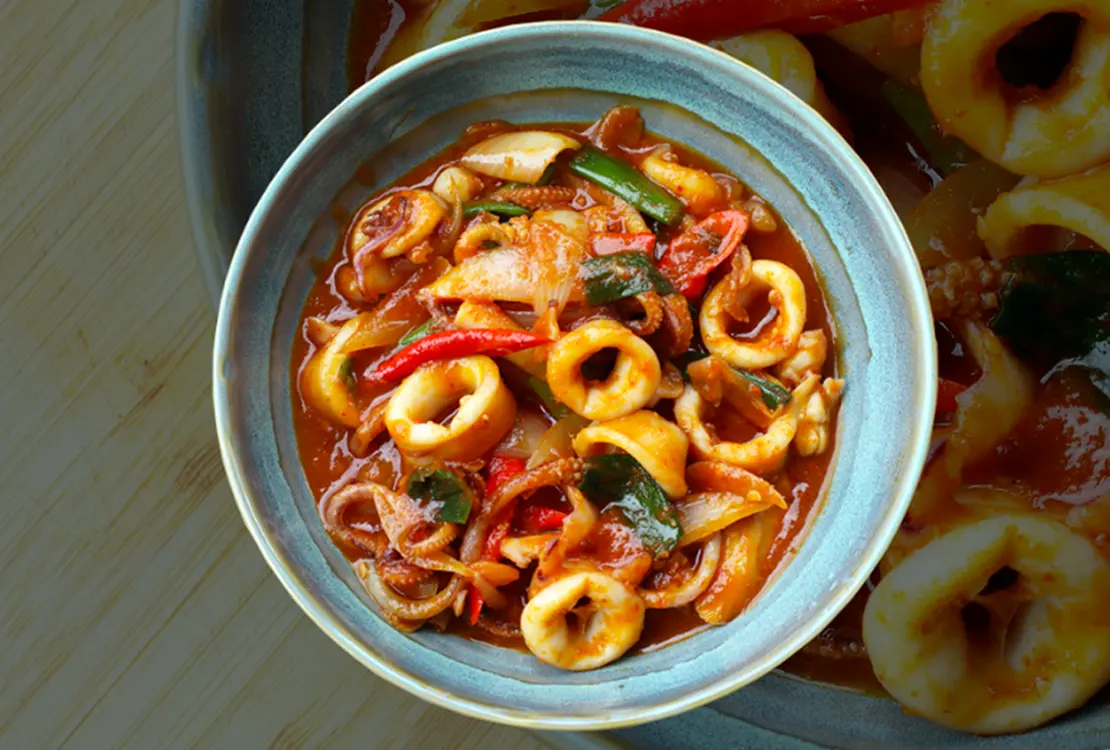
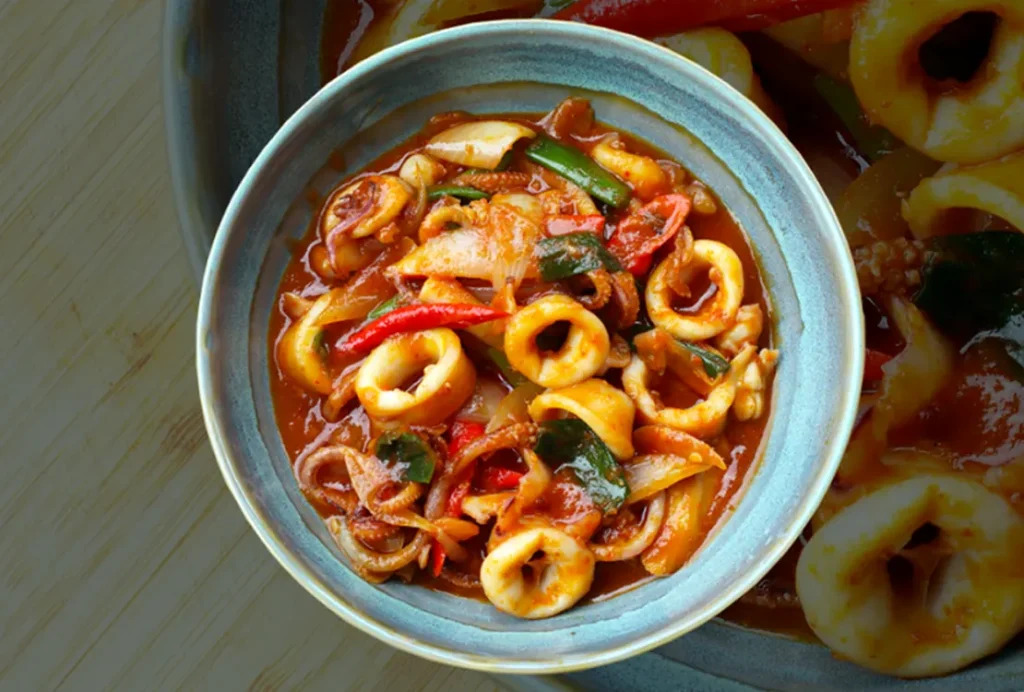

The heart of any great Saus Padang lies in its robust and aromatic spice paste, known as bumbu halus. This paste is the foundation upon which the entire flavor profile is built. Achieving the ‘super spicy’ aspect means being generous with the chilies, but understanding the types of chilies and their heat levels is crucial for a balanced, albeit fiery, result. We’ll explore the essential components of this vital paste.
The cornerstone of the spice paste is, undoubtedly, the chili peppers. For a ‘super spicy’ rendition, a combination of chilies is recommended. Cabai merah keriting (curly red chilies) provide a vibrant color and moderate heat. To elevate the spiciness, incorporate cabai rawit merah (bird’s eye chilies), which are renowned for their intense, sharp heat. Don’t shy away from using a generous quantity of both, adjusting based on your personal tolerance. Remember, you can always add more heat later, but it’s harder to dial it back.
Beyond the chilies, a complex interplay of aromatics is essential. Shallots (bawang merah) lend a sweet, pungent depth, while garlic (bawang putih) offers a sharp, savory note. Galangal (lengkuas), a close relative of ginger, provides a peppery, slightly citrusy aroma that is distinct from ginger. Ginger itself (jahe) adds warmth and a subtle sweetness. Turmeric (kunyit) contributes an earthy flavor and a beautiful golden hue.
For added depth and a touch of umami, ingredients like candlenuts (kemiri) are often included. Candlenuts, when roasted or fried, develop a creamy texture and a mild, nutty flavor that helps to thicken the sauce and bind the flavors together. If candlenuts are unavailable, macadamia nuts can serve as a suitable substitute, though the flavor profile will be slightly different.
A hint of shrimp paste (terasi or belacan) is a secret weapon for many Indonesian cooks. This fermented shrimp paste adds an unparalleled savory depth and umami richness that is hard to replicate. Use it sparingly, as its flavor is potent, but its contribution to the overall complexity of Saus Padang is significant.
To prepare the bumbu halus, all these ingredients are typically ground into a smooth paste. Traditionally, a mortar and pestle (ulekan) are used, which imparts a superior texture and allows for better flavor extraction. However, a food processor or blender can be used for convenience, though it might result in a slightly finer paste. Ensure all ingredients are roughly chopped before processing to make the task easier.
The choice of seafood is as important as the sauce itself. A mix of different textures and flavors creates a more dynamic dish. Popular choices include shrimp (udang), squid (cumi), fish fillets (such as snapper or grouper), mussels (kerang hijau), and clams (kerang dara). Ensure your seafood is fresh and cleaned thoroughly. For squid, scoring the body in a crosshatch pattern before cutting into rings not only makes them more tender but also helps them absorb more sauce.
Before cooking the seafood, a brief marination can enhance its flavor and tenderness. A simple marinade of lime juice or lemon juice, a pinch of salt, and a dash of white pepper is often sufficient. The acidity helps to tenderize the seafood, while the salt and pepper season it from within. Avoid marinating for too long, especially with delicate seafood like shrimp, as the acid can ‘cook’ it.
The cooking process for Seafood Saus Padang involves several key stages. First, the spice paste is sautéed until fragrant and the raw aroma disappears. This step is crucial for developing the full flavor of the spices and ensuring a smooth, non-gritty sauce.
To achieve the characteristic richness and glossy texture of Saus Padang, a liquid base is added. This typically includes water or chicken/seafood stock. Tomato sauce or paste is also a common addition, contributing a tangy sweetness and vibrant color that balances the heat of the chilies.
For that signature sweet and savory balance, a touch of sugar is essential. Palm sugar (gula merah) is often preferred for its caramel notes, but granulated sugar or brown sugar can also be used. Soy sauce (kecap asin) and oyster sauce are also frequently incorporated to add layers of umami and a subtle saltiness.
The heat level can be further adjusted during the sauce-making process. In addition to the chilies in the paste, extra sliced chilies can be added to the sauce for visual appeal and an immediate burst of heat. A dash of chili powder or cayenne pepper can also be incorporated for an extra spicy kick, but use with caution.
Once the sauce has simmered and thickened slightly, the prepared seafood is added. The cooking time for each type of seafood varies. Shrimp and squid cook very quickly, often in just a few minutes. Mussels and clams need to cook until they open, discarding any that remain closed. Fish fillets should be cooked until just opaque and flaky.
Overcooking the seafood is a common mistake that leads to tough and rubbery textures. It’s best to add the seafood in stages, starting with those that require slightly longer cooking times, and finishing with the quickest-cooking items like shrimp. The residual heat of the sauce will continue to cook them.
A final flourish of fresh ingredients adds brightness and complexity. Chopped spring onions (daun bawang) and sliced red chilies are often stirred in at the very end for a fresh, pungent aroma and a pop of color. A squeeze of fresh lime or lemon juice right before serving cuts through the richness and enhances all the flavors.
For those who truly crave an extreme level of heat, consider incorporating super-hot chili varieties like Habanero or Scotch Bonnet peppers into the spice paste. However, be extremely cautious when handling these peppers – wear gloves and avoid touching your eyes. The resulting heat will be intense and potentially overwhelming for many.
Presentation is key to enjoying this vibrant dish. Serve your Super Spicy Seafood Saus Padang immediately while the seafood is perfectly cooked and the sauce is piping hot. It pairs exceptionally well with steamed white rice, which acts as a neutral canvas to absorb the flavorful sauce and temper the heat.
Garnishing your dish with fresh cilantro leaves, extra sliced chilies, and a wedge of lime adds visual appeal and an extra layer of freshness. The vibrant colors of the dish itself are a testament to the fresh ingredients used.
Beyond the basic recipe, experimentation is encouraged. Consider adding other types of seafood like scallops or crab. You can also incorporate vegetables such as bell peppers (for sweetness and crunch) or broccoli florets.
The ‘super spicy’ element can be fine-tuned by the ratio of cabai rawit to cabai merah keriting. A higher proportion of cabai rawit will result in a sharper, more intense heat. Conversely, a greater amount of cabai merah keriting will provide a more rounded, slightly sweeter heat.
Properly sautéing the bumbu halus is critical. Ensure you cook it over medium heat, stirring constantly, until it darkens slightly and releases its fragrant aroma. This process evaporates excess moisture and cooks out any raw, bitter flavors, resulting in a smoother, more delicious sauce.
When adding liquid to the sauce, start with a smaller amount and gradually add more until you reach your desired consistency. Too much liquid at once can dilute the flavors. Simmering the sauce will help it thicken naturally.
The balance of sweet, savory, sour, and spicy is what makes Saus Padang so addictive. Taste and adjust the seasoning throughout the cooking process. Need more sweetness? Add a pinch of sugar. More saltiness? A splash of soy sauce. More tang? A bit more tomato sauce or lime juice.
For those concerned about the intensity of the heat, remember that the sweetness from the sugar and tomato, and the richness from the oil and aromatics, help to balance the spiciness. It’s a complex flavor profile, not just pure heat.
If you find the sauce is too thick, thin it out with a little more water or stock. If it’s too thin, let it simmer uncovered for a few extra minutes to allow some of the liquid to evaporate.
The quality of your ingredients will significantly impact the final dish. Use fresh seafood whenever possible. For the spices, fresh is always better than dried, though dried chilies can be used if fresh are unavailable (soak them in hot water first).
Cleaning seafood properly is essential. For shrimp, deveining them not only improves texture but also removes the dark intestinal tract. For squid, remove the quill, ink sac, and beak before cleaning the body and tentacles.
The oil used for sautéing the spice paste also plays a role. A neutral oil like vegetable or canola oil is standard, but some prefer to use a little bit of lard for added richness, though this is less common.
Making Seafood Saus Padang Super Pedas is a rewarding culinary adventure. It requires attention to detail, a willingness to embrace bold flavors, and a respect for the power of chili. With this comprehensive guide, you are well-equipped to recreate this Indonesian favorite in your own kitchen, impressing your guests with a dish that is as visually stunning as it is deliciously fiery.
Embrace the heat, savor the complex flavors, and enjoy the process of creating your own signature Super Spicy Seafood Saus Padang. Selamat menikmati!