
Seafood, encompassing a wide array of fish, shellfish, and crustaceans, is a powerhouse of essential nutrients. It’s an excellent source of high-quality protein, crucial for muscle repair and satiety. Furthermore, fatty fish like salmon, mackerel, and sardines are renowned for their omega-3 fatty acid content. These beneficial fats are vital for brain health, reducing inflammation, and supporting cardiovascular function. Beyond omega-3s, seafood provides a spectrum of vitamins and minerals, including Vitamin D, Vitamin B12, iodine, selenium, and zinc.
However, the thought of preparing seafood for a packed lunch can sometimes seem daunting. Concerns about odor, preparation time, and maintaining freshness often arise. This article aims to demystify the process, offering practical and ‘jitu’ (effective) tips to help you confidently incorporate delicious and healthy seafood meals into your office lunch routine.
One of the most significant advantages of using seafood for lunches is its speed of preparation. Unlike many other proteins that require long cooking times, fish and shrimp can often be cooked in mere minutes. This makes it perfect for busy weeknights when you need to assemble a lunch for the next day without spending hours in the kitchen.
When selecting seafood for your office lunches, prioritize freshness. Look for fish with clear, bright eyes, firm flesh that springs back when pressed, and a clean, oceanic smell – avoid anything with a strong, unpleasant odor. For shellfish, ensure they are alive and have tightly closed shells. Buying from reputable fishmongers or grocery stores with high turnover rates can significantly improve your chances of getting quality ingredients.
Consider the ‘office-friendliness’ of your seafood choices. While some strongly flavored fish are incredibly healthy, they might not be the most considerate option for a shared workspace. Milder fish like cod, tilapia, or sole, and shellfish like shrimp and scallops, are generally less pungent and more palatable in a communal setting. This doesn’t mean you have to forgo flavorful options entirely, but it’s a factor worth considering.
For quick and healthy lunches, grilled or baked fish is a fantastic starting point. A simple fillet of salmon or cod, seasoned with lemon, herbs, and a touch of olive oil, can be baked or grilled in under 15 minutes. Once cooled, it can be flaked and added to salads, grain bowls, or enjoyed on its own.
Shrimp is another office lunch superstar. It cooks incredibly fast and is highly versatile. Pre-cooked shrimp, readily available in most supermarkets, can be a lifesaver for busy individuals. Toss them into pasta salads, stir-fries, or serve them chilled with a light dipping sauce.
Canned seafood, such as tuna, salmon, or sardines, offers unparalleled convenience and affordability. Opt for varieties packed in water or olive oil rather than brine, which can be high in sodium. Canned tuna or salmon can be mixed with Greek yogurt or avocado instead of mayonnaise for a healthier binder, then used in sandwiches, wraps, or as a topping for crackers or salads.
Meal prepping is key to making seafood lunches a consistent part of your diet. Dedicate a short amount of time on a Sunday afternoon to cook a batch of fish or shrimp. Portion them into individual containers, ready to be assembled into meals throughout the week. This eliminates the daily pressure of cooking and ensures you always have a healthy option available.
When packing cooked seafood for lunch, proper cooling and storage are paramount to prevent bacterial growth and maintain quality. Ensure the seafood is cooled completely before packing. Use insulated lunch bags with ice packs to keep your meal at a safe temperature (below 40°F or 4°C) until lunchtime.
Marinating seafood before cooking can infuse it with flavor and even help preserve it slightly. Simple marinades made with citrus juices, herbs, garlic, and olive oil add depth without excessive sodium or unhealthy fats. The acidity in citrus can also help ‘cook’ certain seafoods like ceviche, though this requires very fresh ingredients and careful handling.
For a quick and satisfying seafood lunch, consider a tuna or salmon salad. Instead of traditional mayonnaise, try using mashed avocado, Greek yogurt, or a light vinaigrette as the base. Mix in chopped celery, red onion, and fresh dill or parsley for added crunch and flavor. Serve this mixture in lettuce cups, whole-wheat pita pockets, or alongside a vibrant green salad.
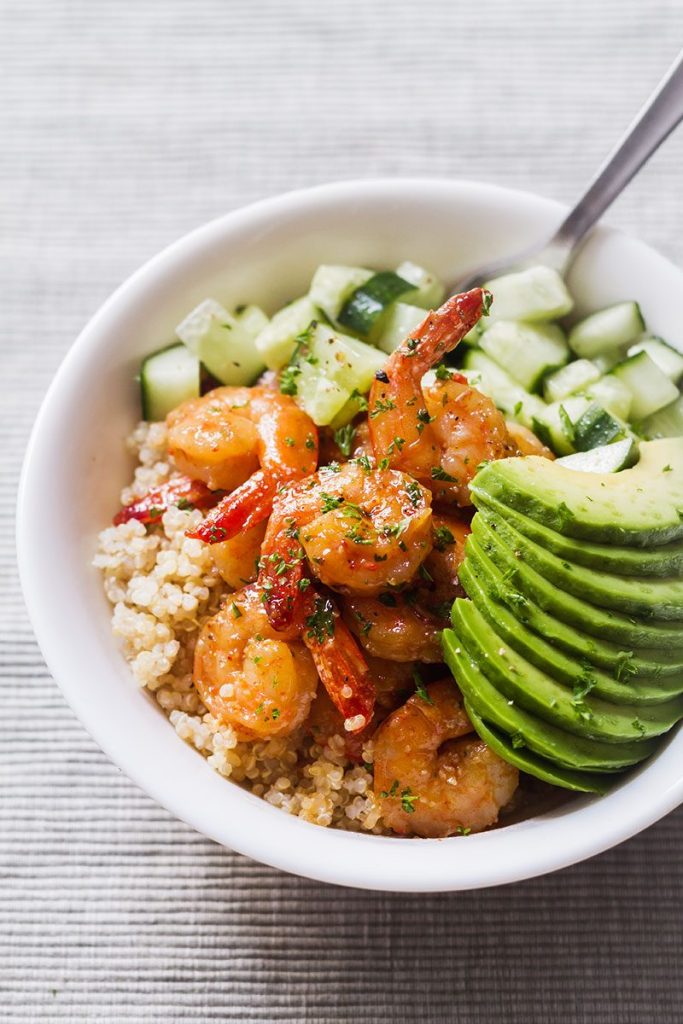
Grain bowls are another excellent vehicle for seafood. Cooked quinoa, brown rice, or farro can form the base. Top it with flaked baked salmon or pan-seared shrimp, roasted vegetables (like broccoli, bell peppers, or sweet potatoes), and a drizzle of your favorite healthy dressing – perhaps a lemon-tahini or a ginger-soy vinaigrette.
Seafood pasta salads offer a comforting yet healthy lunch option. Use whole-wheat pasta and toss it with cooked shrimp or flaked tuna. Add cherry tomatoes, cucumber, olives, and a light pesto or lemon-herb dressing. Ensure the pasta is cooked al dente to prevent it from becoming mushy by lunchtime.
Don’t underestimate the power of a simple seafood salad. Combine cooked, chilled shrimp or flaked crab meat with crisp lettuce, avocado, cucumber, and a light citrus vinaigrette. A few toasted nuts or seeds can add a delightful crunch.
When reheating seafood, be mindful of overcooking, which can make it dry and rubbery. If your office has a microwave, a short reheating time on a lower power setting is usually sufficient. Alternatively, many seafood dishes, like cold shrimp salads or flaked fish mixed into cold dishes, are perfectly delicious when served chilled or at room temperature.
Flavor-boosting ingredients can elevate even the simplest seafood preparation. Fresh herbs like parsley, cilantro, dill, and chives add brightness. Citrus zest and juice provide a refreshing tang. Spices like paprika, cumin, and chili flakes can add warmth and complexity. A dash of soy sauce or tamari, used sparingly, can also enhance umami flavors.
Consider making seafood stews or curries in larger batches. These dishes often taste even better the next day as the flavors meld. Portion them into individual containers for easy reheating. Ensure they are fully cooled before refrigerating and packing.
For a truly quick option, pre-made seafood sushi or sashimi can be a good choice, provided it’s sourced from a reputable establishment and kept properly chilled. However, for daily lunches, preparing your own is often more economical and allows for greater control over ingredients and freshness.
Incorporating seafood into your office lunch doesn’t require gourmet skills. Simple techniques like pan-searing, baking, poaching, or even steaming can yield delicious results. Remember that most fish fillets cook in 8-12 minutes, and shrimp take only 2-4 minutes.
To combat potential ‘fishy’ odors in the office, ensure your seafood is very fresh, cook it thoroughly, and pack it in airtight containers. Avoid adding strong-smelling ingredients like excessive amounts of garlic or certain pungent cheeses to your seafood dishes if you’re concerned about lingering aromas.
Leftover seafood dishes can be transformed into exciting new lunches. For example, leftover baked salmon can be flaked and added to a frittata or omelet for breakfast or brunch, or incorporated into a cold pasta salad for lunch the next day.
Think about the texture. Combining flaky fish with crunchy vegetables, creamy avocado, or chewy grains creates a more satisfying and engaging eating experience. This textural contrast is often as important as the flavor itself.
Seasoning is crucial. Don’t be afraid to use salt and pepper judiciously. A squeeze of lemon or lime juice just before serving can brighten up the flavors considerably. A light sprinkle of red pepper flakes can add a pleasant kick.
For those who enjoy a bit of spice, incorporating chili peppers, sriracha, or a spicy aioli (made with Greek yogurt for a healthier twist) can add an exciting dimension to your seafood lunches.
When preparing larger fish like salmon or tuna steaks, you can cook them whole and then flake or slice the portions for lunches throughout the week. This is often more economical than buying pre-portioned fillets.
Consider ‘ceviche-style’ preparations for lunches, but with caution. While traditional ceviche uses the acidity of lime juice to ‘cook’ raw fish, for office lunches, it’s safer to use pre-cooked shrimp or fish that has been lightly poached or steamed and then marinated in citrus and seasonings. This offers a similar bright flavor profile without the food safety risks associated with raw seafood in a non-refrigerated environment.
Finally, variety is the spice of life, and that applies to your seafood lunches too. Rotate through different types of fish and shellfish, and experiment with various cooking methods and flavor profiles to keep your midday meals exciting and prevent palate fatigue. From delicate white fish to robust salmon, the ocean offers a treasure trove of delicious and healthy lunch possibilities.