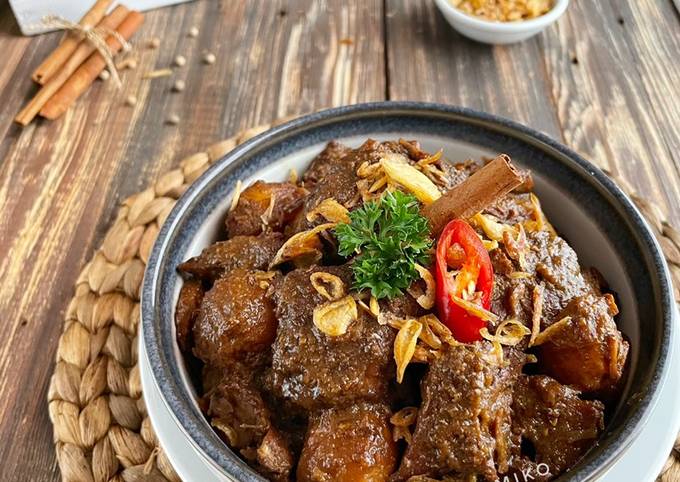
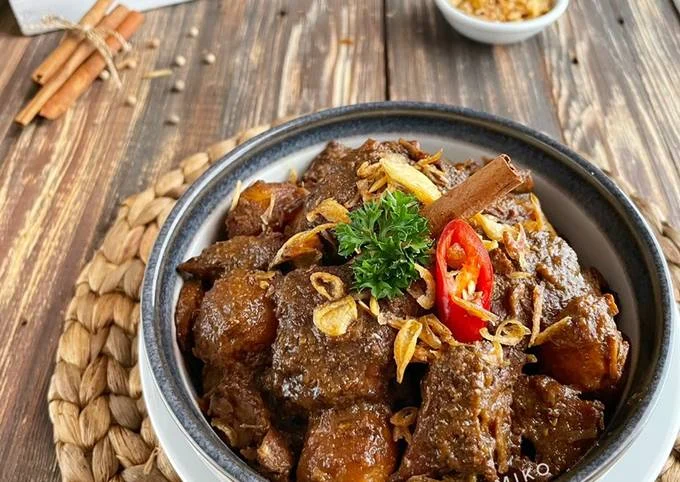

The Betawi people, known for their rich cultural tapestry and diverse culinary traditions, have a special place for Semur Ikan Betok. This dish often graces special occasions, family gatherings, and festive celebrations, symbolizing warmth, hospitality, and the communal spirit of sharing good food. Understanding its cultural significance adds another layer of appreciation to this delectable preparation.
At its heart, Semur Ikan Betok is a testament to the ingenious use of local ingredients and traditional cooking techniques. The betok fish, a freshwater species abundant in the waterways of Indonesia, possesses a firm texture and a mild, slightly sweet flavor that absorbs marinades and sauces beautifully. Its unique characteristics are crucial to the dish’s overall appeal.
The preparation of Semur Ikan Betok is more than just cooking; it’s an art form that involves careful selection of ingredients, precise spice blending, and patient simmering. Each step contributes to the development of its complex flavor profile, making the process as rewarding as the final dish itself.
Beyond the fish, a symphony of aromatics and spices elevates the dish. Shallots and garlic form the pungent base, their sweetness intensifying when sautéed. Ginger adds a warm, zesty note, while turmeric lends its earthy flavor and characteristic golden hue. The inclusion of candlenuts (kemiri) is vital for achieving a rich, creamy texture in the sauce, a hallmark of many Indonesian semur dishes.
The distinctive sweet and savory balance of Semur Ikan Betok is achieved through the liberal use of kecap manis (sweet soy sauce). This thick, syrupy condiment not only adds sweetness but also a deep umami flavor and a beautiful glossy finish to the fish. In addition, palm sugar (gula merah) is often used to further enhance the sweetness and complexity of the sauce, providing a more nuanced flavor than plain sugar.
Spices play a crucial role in creating the aromatic depth of this dish. Coriander seeds, ground into a powder, impart a subtle citrusy and floral note. White pepper offers a clean, sharp heat, distinct from the earthier notes of black pepper. Nutmeg and cloves, used judiciously, contribute warm, exotic undertones that are characteristic of traditional Indonesian spice blends.
For those seeking an authentic taste, the inclusion of galangal (lengkuas) is highly recommended. This rhizome, similar to ginger but with a more peppery and pine-like flavor, adds a unique dimension to the marinade and simmering liquid. Lemongrass, bruised to release its fragrant oils, infuses the sauce with a refreshing citrus aroma.
The cooking process for Semur Ikan Betok typically begins with preparing the fish. It’s usually cleaned, sometimes scored, and often marinated briefly to absorb some of the initial flavors. This step is crucial for ensuring the fish is well-seasoned from the inside out.
The heart of the semur preparation lies in creating the spice paste, or ‘bumbu halus’. This involves grinding or blending the shallots, garlic, ginger, turmeric, candlenuts, and sometimes other aromatics into a smooth paste. The texture and consistency of this paste significantly impact the final sauce.
Sautéing the spice paste is the next critical step. This process, known as ‘menumis bumbu’, is where the magic begins. Over medium-low heat, the paste is gently fried until fragrant and the raw aroma disappears, indicating that the spices have been fully bloomed and their flavors released. This step requires patience and attention to prevent burning.
Once the bumbu is well-sautéed, the liquids are added. Water or sometimes a light broth is introduced, along with the kecap manis and palm sugar. This forms the base of the semur sauce, which will gradually thicken and deepen in flavor as it simmers.
Simmering is where the semur truly comes into its own. The heat is reduced to low, and the dish is allowed to cook slowly, allowing the flavors to meld and the sauce to reduce and thicken. This patient simmering process is what gives semur its characteristic rich and complex taste.
During the simmering process, it’s important to occasionally baste the fish with the sauce or gently stir to ensure even coating and prevent sticking. This also helps the fish to absorb the flavors more effectively.
The dish is considered ready when the fish is cooked through, tender, and easily flakes, and the sauce has reached a desirable consistency – thick enough to coat the fish beautifully, but not overly dry. The aroma filling your kitchen at this stage is a sure sign of success.
Serving Semur Ikan Betok is typically done hot, accompanied by steamed white rice. The fluffy rice acts as a perfect canvas to soak up the rich, savory-sweet sauce. A sprinkle of fried shallots (bawang goreng) on top adds a delightful crunch and an extra layer of flavor.
For a complete Betawi dining experience, Semur Ikan Betok is often paired with other traditional dishes. These might include Sayur Asem (a sour vegetable soup), Asinan Betawi (pickled vegetables), or Perkedel (Indonesian fritters). These accompaniments create a harmonious and satisfying meal.
Achieving the perfect balance of sweet and savory is a common challenge. Taste and adjust the kecap manis and palm sugar as needed towards the end of cooking. Remember that the flavors will continue to meld as the dish rests.
Texture is another important element. Ensure the candlenuts are well-grounded to contribute to a smooth sauce. The fish should be tender, not mushy. Overcooking can lead to a dry or broken fish.
For those who prefer a spicier kick, a few bird’s eye chilies can be added to the spice paste or sliced and added during the simmering process. Adjust the quantity according to your heat preference.
The fragrance of Semur Ikan Betok is as important as its taste. Using fresh aromatics like ginger, galangal, and lemongrass, and properly sautéing the spice paste are key to unlocking these wonderful aromas.
Storage of leftover Semur Ikan Betok is straightforward. Allow the dish to cool completely before transferring it to an airtight container. It can be stored in the refrigerator for up to 3 days. Reheat gently on the stovetop or in the microwave.
Reheating Semur Ikan Betok can sometimes require a little extra liquid, such as a splash of water or broth, to loosen the sauce. This ensures the dish remains moist and flavorful.
Variations of semur exist throughout Indonesia, but the Betawi version, particularly with ikan betok, holds a special place due to its distinctive ingredients and preparation methods. It’s a dish that connects one to the roots of Jakarta’s culinary identity.
The choice of fish is crucial. While betok is traditional, other firm-fleshed freshwater fish like tilapia or catfish can be used, though they might impart a slightly different flavor profile. Ensure the fish is scaled and gutted properly.
To enhance the flavor, some cooks marinate the fish for a short period with a bit of salt and lime juice before adding it to the semur. This helps to remove any fishy odor and season the fish from within.
The quality of kecap manis is also important. Opt for a good quality, thick kecap manis for the best results. Some recipes may also call for a touch of regular soy sauce to add depth, but this is less common in traditional Betawi semur.
Experimentation is encouraged, but always with respect for the traditional flavors. Understanding the role of each spice and ingredient will help you make informed adjustments to suit your palate while staying true to the essence of Semur Ikan Betok.
This dish is a celebration of simple ingredients transformed into something extraordinary through skill and tradition. It’s a culinary heritage worth preserving and sharing.
Mastering Semur Ikan Betok is a journey that rewards patience and attention to detail. The resulting dish is not just a meal but a cultural experience, a taste of Betawi history and warmth on a plate.