
Beyond the core yellow spices, other essential aromatics contribute to the complexity of the bumbu. Candlenuts (kemiri) are often ground into the paste, acting as a natural thickener and adding a subtle richness. Kaffir lime leaves, torn to release their fragrant oils, impart a distinct citrusy perfume that elevates the entire dish. Shrimp paste (terasi/belacan), a fermented seafood product, adds a crucial umami depth, a characteristic that defines many Southeast Asian cuisines. It’s a potent ingredient, so a little goes a long way.
The choice of shrimp is also significant. For Pepes Udang, medium to large shrimp are ideal. They should be fresh, firm to the touch, and have a sweet, briny aroma. Peeled and deveined shrimp are commonly used for ease of consumption, but leaving the shells on the tail can add a subtle sweetness and visual appeal. The texture of the shrimp, when cooked, should be tender and juicy, not rubbery.
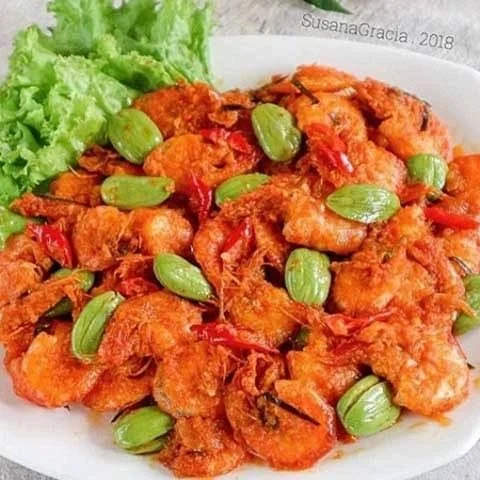
Petai beans, also known as stink beans or Parkia speciosa, are a polarizing but integral component of this dish. Their unique, pungent aroma and slightly bitter, savory flavor are what give Pepes Udang Petai its distinctive character. Fresh petai pods should be selected, and the beans extracted from their pods. Soaking the beans in water for a short period can sometimes help to mellow their strong flavor, though many enthusiasts appreciate them at full strength.
The use of banana leaves is not merely for presentation; it’s a functional element that contributes significantly to the final flavor and texture. Banana leaves impart a subtle, earthy, and slightly sweet aroma as they steam. They also act as a natural steaming vessel, helping to retain moisture and infuse the ingredients with their fragrance. Choosing fresh, pliable banana leaves is key; wilted or brittle leaves can tear easily during the wrapping process.
Preparing the banana leaves involves a crucial step: softening them. This is typically done by briefly passing them over an open flame or dipping them in boiling water. This process makes the leaves pliable and prevents them from cracking when folded. After softening, they are usually wiped clean to remove any dust or residue.
The process of making the bumbu kuning begins with finely grinding or blending the fresh spices. Traditionally, a mortar and pestle (ulekan) is used, which allows for a more controlled texture and releases the essential oils more effectively. However, a food processor or blender can also be used for convenience. The goal is a smooth, fragrant paste.
Once the spice paste is ready, it’s typically sautéed in a bit of oil. This step is vital for cooking the raw spices, mellowing their pungency, and developing their full flavor profile. Shallots, garlic, and chilies are often sautéed first until fragrant, followed by the ground turmeric, galangal, lemongrass, and other spices. The shrimp paste is usually added during this stage, cooked until its aroma intensifies.
After sautéing, the cooked spice paste is mixed with the prepared shrimp and petai beans. This is where the flavors begin to meld. Some recipes may include additional seasonings at this stage, such as salt, sugar (often palm sugar for a caramel note), and a touch of tamarind water for acidity.
The wrapping of the pepes is an art form in itself. A portion of the shrimp and petai mixture is placed on a softened banana leaf. Additional aromatics, such as a slice of tomato, a sprig of basil (kemangi), or a kaffir lime leaf, might be added on top for an extra layer of flavor and freshness.
The banana leaf is then carefully folded and secured. A common method involves folding the leaf in half, then folding in the sides to create a neat parcel. This parcel is then secured with toothpicks or small strips of bamboo, ensuring that the contents do not spill out during steaming.
Once wrapped, the pepes are steamed. The steaming process is crucial for cooking the shrimp through and allowing the flavors to meld and deepen. The steaming time will vary depending on the size of the pepes parcels and the type of steamer used, but typically ranges from 20 to 30 minutes.
The aroma that fills the kitchen during the steaming of Pepes Udang Petai is simply intoxicating. The combination of spices, shrimp, petai, and the subtle perfume of the banana leaf creates an olfactory prelude to the delicious meal that awaits.
Serving Pepes Udang Petai Bumbu Kuning is usually done directly in the banana leaf parcel. This presentation preserves the aroma and offers a rustic, authentic dining experience. It’s traditionally served hot with steamed white rice, which acts as a perfect foil to the rich, flavorful pepes.
To enhance the meal, consider serving it with a side of fresh cucumber slices, some sambal, or a simple clear soup. These accompaniments provide a refreshing contrast and balance the intensity of the pepes.
Variations of this dish exist across different regions of Indonesia. Some may add coconut milk to the spice paste for a creamier texture and richer flavor. Others might incorporate different types of vegetables or herbs. The core essence, however, remains the same: the harmonious blend of shrimp, petai, and bumbu kuning steamed in banana leaves.
For those new to cooking Pepes Udang Petai, starting with a milder chili level is advisable. You can always add more heat later or serve with a side of sambal for those who prefer it spicier. Tasting and adjusting the seasoning before wrapping is also a good practice.
The quality of ingredients is paramount. Freshness in shrimp, vibrancy in turmeric, and pungency in petai beans will make a noticeable difference in the final outcome. Don’t be afraid to seek out the freshest possible components.
The bumbu kuning paste can be made in larger batches and stored in the refrigerator or freezer for future use. This saves time on subsequent cooking occasions. Ensure it’s stored in an airtight container.
When selecting petai beans, look for pods that are plump and green. Avoid pods that are overly brown or have a mushy texture, as this can indicate staleness. The beans should be firm.
The process of sautéing the bumbu is critical for developing its depth of flavor. Ensure it’s cooked until the oil separates slightly, indicating that the spices have been thoroughly cooked and their aromas released.
The steaming method should ensure that the pepes are cooked evenly. If using a stovetop steamer, make sure there’s enough water and that it’s kept at a rolling boil throughout the steaming process.
For a more intense flavor, some cooks might lightly grill or pan-fry the wrapped pepes after steaming. This adds a smoky char and further develops the aromas released from the banana leaf.
Consider the texture of the shrimp. Overcooking will result in tough, rubbery shrimp. The steaming process should be just long enough to cook them through.
The aromatic herbs like kemangi (Indonesian basil) or daun jeruk (kaffir lime leaves) added during the wrapping stage are crucial for freshness. They infuse the pepes with bright, herbaceous notes that cut through the richness of the spice paste.
Pepes Udang Petai Bumbu Kuning is a testament to the ingenuity of Indonesian culinary traditions, where simple ingredients are transformed into dishes of extraordinary flavor through thoughtful preparation and aromatic spices.
Embrace the process, savor the aromas, and enjoy the delightful culmination of flavors that this classic dish offers. It’s a culinary adventure worth embarking on for any food enthusiast.