
Understanding the fundamental components of a successful barbecue sauce is the first step. For seafood, this means being mindful of overpowering its natural taste. We aim for a sauce that complements, rather than masks, the inherent sweetness and brininess of shrimp, fish, scallops, and calamari. The ‘spicy-sweet’ profile is a classic for a reason – it provides a dynamic interplay of flavors that keeps diners coming back for more.
At its core, any great barbecue sauce relies on a robust base. For a seafood variation, we often lean towards ingredients that are lighter and less acidic than those used for pork or beef. A good starting point is often a tomato-based foundation, but with a nuanced approach. Instead of heavy ketchup, consider using tomato paste or crushed tomatoes, which offer a purer tomato flavor without excessive sugar or vinegar.
The ‘sweet’ element is crucial for balancing the heat and enhancing the seafood’s natural sugars. Common sweeteners include brown sugar, honey, maple syrup, or even molasses. Each offers a distinct flavor profile. Brown sugar provides a deep, caramel note, honey adds floral undertones, maple syrup brings a unique woodsy sweetness, and molasses contributes a robust, slightly bitter complexity. Experimentation is key to finding your preferred sweetness.
The ‘spicy’ component can be introduced through a variety of chili peppers or hot sauces. For a seafood sauce, subtle heat is often preferred over an aggressive burn. Options range from mild jalapeños and serranos to the more intense habaneros or even a touch of cayenne pepper. The type of chili will dictate the flavor notes as well – some offer fruity undertones, while others provide a more direct, pungent heat.
Beyond the base, sweetness, and spice, a symphony of aromatics and seasonings is what truly brings the sauce to life. Garlic and onions are foundational, providing savory depth. Worcestershire sauce is another indispensable ingredient, lending a complex umami flavor that pairs exceptionally well with both seafood and barbecue elements.
Vinegar plays a vital role in cutting through richness and adding brightness. While apple cider vinegar is a barbecue staple, white vinegar, rice vinegar, or even a splash of lime juice can offer a more delicate acidity suitable for seafood. The choice of vinegar will significantly impact the final tang of the sauce.
Let’s begin with a foundational recipe for a Spicy-Sweet Seafood Barbecue Sauce. Start by sautéing finely minced garlic and onion in a bit of neutral oil until softened and fragrant. This aromatic base is essential for building flavor.
Next, add your chosen tomato base. If using tomato paste, cook it for a minute or two to deepen its flavor and reduce any raw taste. Then, incorporate your liquid component. This could be water, seafood stock (for an extra layer of oceanic flavor), or even a light beer.
Now, introduce the sweeteners. A combination of brown sugar and honey often works wonders, providing both depth and a pleasant stickiness. Stir until the sugars are dissolved into the liquid.
It’s time for the spice. Add your chosen chili element. For a balanced heat, start with a moderate amount of finely chopped jalapeño or a teaspoon of cayenne pepper. Remember, you can always add more heat later, but you can’t easily take it away.
Incorporate the Worcestershire sauce and your chosen vinegar. Stir well to combine all the ingredients. At this stage, the sauce should begin to thicken as it simmers.
Seasoning is critical. Add salt and freshly ground black pepper to taste. Consider other complementary spices like smoked paprika for a smoky depth, a pinch of cumin for earthiness, or even a hint of ginger for a zesty lift.
Allow the sauce to simmer gently over low heat for at least 30 minutes, or longer for a richer, more concentrated flavor. Stir occasionally to prevent sticking. The longer it simmers, the more the flavors will meld and develop.
For a smoother sauce, you can use an immersion blender or transfer the sauce to a regular blender once it has cooled slightly. Be cautious when blending hot liquids. A smoother consistency can be very appealing for coating seafood.
Now, let’s talk about variations and enhancements. The beauty of homemade barbecue sauce lies in its adaptability. For a fruitier twist, consider adding a spoonful of apricot jam or a purée of mango or pineapple. These fruits complement seafood beautifully and add a tropical flair.
To intensify the spicy element, experiment with different hot sauces. A dash of Sriracha can add garlic notes and a vibrant red color, while a smoky chipotle hot sauce will introduce a rich, smoky heat that pairs wonderfully with grilled seafood.
For a richer, more complex flavor, a splash of soy sauce or tamari can add an extra layer of umami. This works particularly well if you’re aiming for a slightly Asian-inspired barbecue sauce.
Herbs can also play a significant role. Freshly chopped cilantro or parsley stirred in at the end can add a burst of freshness. A sprig of rosemary or thyme can infuse a subtle herbaceous aroma during the simmering process.
Consider the type of seafood you’ll be using. For delicate white fish, a lighter, brighter sauce might be preferable. For heartier options like salmon or tuna, a bolder, more robust sauce can stand up to the richer flavor.
When grilling seafood, the application of the sauce is as important as its creation. Apply the sauce during the last few minutes of grilling to prevent it from burning. The sugars in the sauce can caramelize quickly over direct heat.
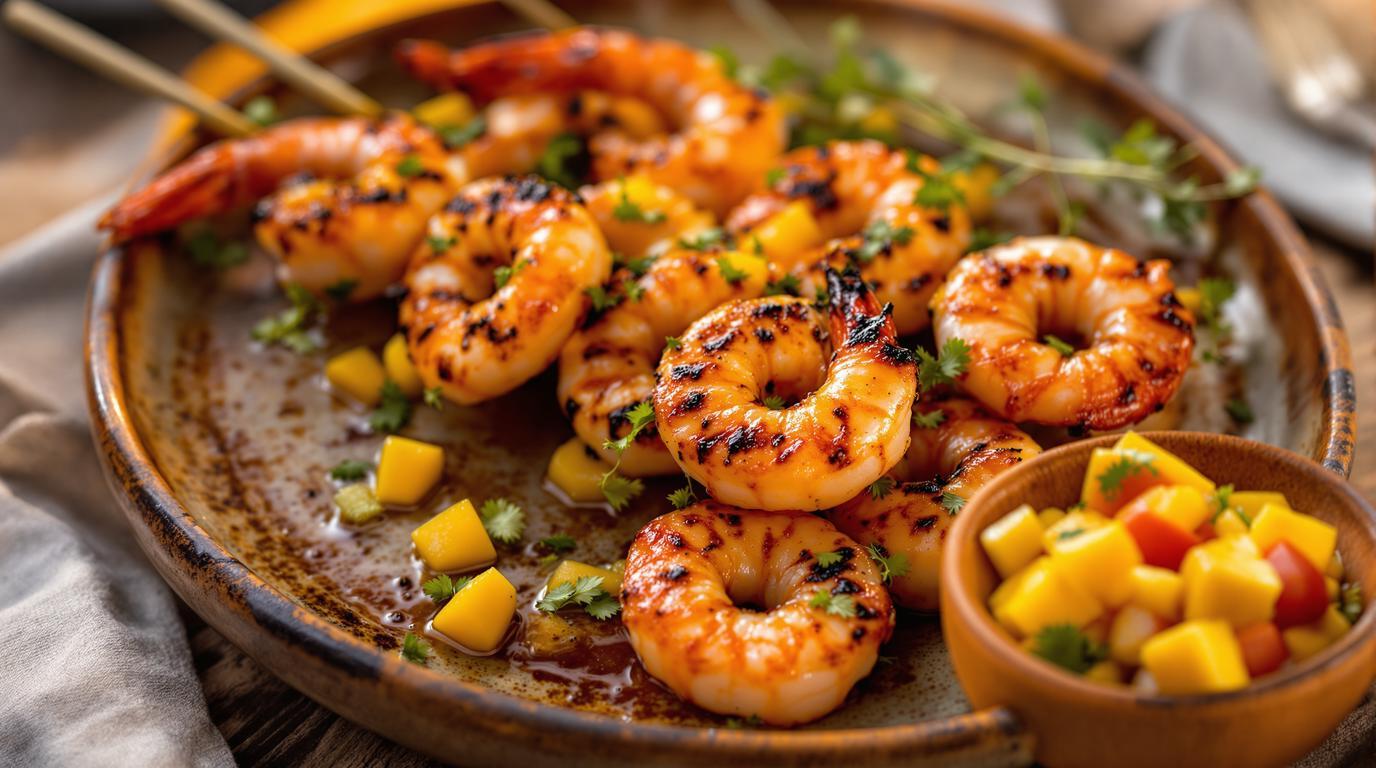
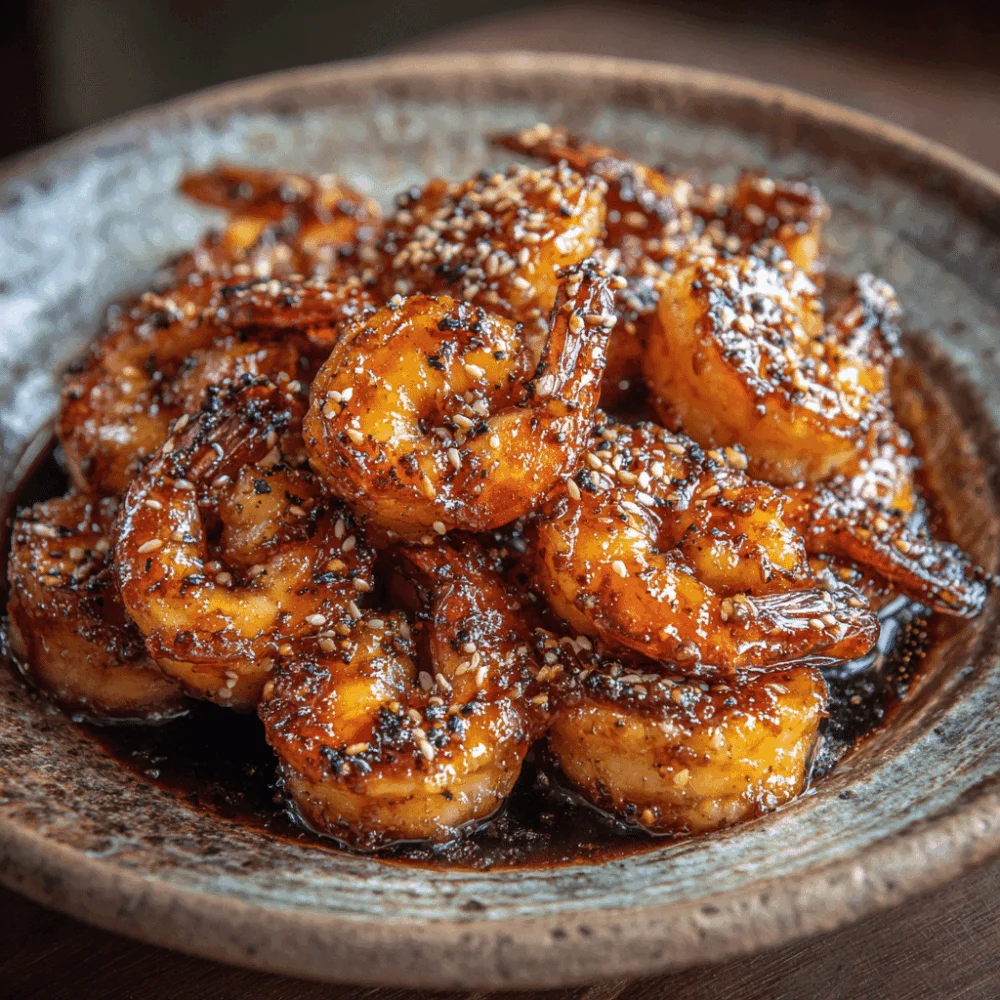
For shrimp, a quick brush of the sauce just before they’re done grilling creates a beautiful glaze. For fish fillets, you can baste them gently as they cook.
Calamari benefits from a light coating, perhaps even a quick toss in the sauce after grilling to maintain its tender texture.
Scallops, being delicate, often do best with a light application of sauce just as they’re finishing, or even served alongside for dipping.
Storage is also important. Once cooled, store your homemade spicy-sweet seafood barbecue sauce in an airtight container in the refrigerator. It should keep well for at least two weeks, allowing you to enjoy its deliciousness over multiple meals.
The versatility of this sauce extends beyond grilling. It can be used as a glaze for baked seafood, a dipping sauce for fried calamari or shrimp, or even stirred into pasta dishes for an extra flavor boost.
When developing your perfect recipe, taste and adjust as you go. Does it need more sweetness? A touch more heat? A brighter acidity? Your palate is the ultimate guide.
Remember that the quality of your ingredients will significantly impact the final outcome. Fresh garlic, good quality vinegar, and ripe tomatoes will make a noticeable difference.
Embrace the process of creation. Making your own barbecue sauce is a rewarding experience that allows for personalization and culinary exploration. The result is a condiment that is far superior to most store-bought options.
Ultimately, the ‘secret’ to a fantastic spicy-sweet seafood barbecue sauce is a thoughtful balance of flavors, high-quality ingredients, and a willingness to experiment. With these principles in mind, you’re well on your way to creating a sauce that will become a staple in your kitchen.