
The versatility of seafood is one of its greatest assets. From delicate white fish to robust shellfish, each type offers unique culinary possibilities. Understanding these differences allows for tailored preparation methods that highlight their natural flavors while adhering to dietary requirements. Whether you’re aiming for weight loss, managing a chronic condition, or simply striving for a healthier lifestyle, incorporating seafood wisely is a smart move.
One of the most crucial aspects of preparing diet-friendly seafood is the cooking method. Opting for methods that require minimal added fats is paramount. Steaming is an excellent choice, as it gently cooks seafood, preserving its moisture and delicate flavors without the need for oil. It’s perfect for fish fillets, shrimp, and mussels, allowing their natural essence to shine through.
Grilling is another superb method for healthy seafood preparation. The high heat of the grill sears the seafood quickly, creating a delightful char and smoky flavor. Marinating seafood before grilling can add immense taste without excess calories. Focus on marinades made with citrus juices, herbs, spices, garlic, and a touch of olive oil, rather than heavy, creamy sauces.
Baking or roasting seafood is also a healthy option. Similar to grilling, it allows for even cooking and flavor development. You can bake fish with lemon slices, fresh herbs like dill or parsley, and a drizzle of olive oil. For a more robust flavor, consider en papillote (baking in parchment paper), which steams the seafood in its own juices along with aromatics, creating a moist and flavorful result.
Poaching is a gentle cooking technique that involves simmering seafood in a flavorful liquid, such as water, broth, white wine, or milk. This method is particularly well-suited for delicate fish like cod or sole, ensuring they remain tender and moist. The poaching liquid can be infused with herbs, vegetables, and spices, adding subtle layers of flavor to the final dish.
When it comes to frying, it’s best to avoid traditional deep-frying for diet-conscious meals. However, if you crave a crispy texture, consider pan-searing with minimal oil or using an air fryer. An air fryer circulates hot air to create a crispy exterior with significantly less oil than conventional frying.
The choice of seafood itself plays a role in its suitability for a diet. Leaner fish varieties such as cod, tilapia, sole, and haddock are excellent choices for low-calorie meals. They are packed with protein and have a low fat content. Fatty fish like salmon, mackerel, and sardines, while higher in fat, are rich in omega-3 fatty acids, which are highly beneficial for heart and brain health. Moderation is key with these, but their nutritional value is undeniable.
Shellfish, including shrimp, scallops, mussels, and clams, are generally low in calories and fat, making them great additions to a healthy diet. They are also good sources of protein, vitamins, and minerals. Be mindful of preparation methods for shellfish, as they can easily absorb fats from sauces or cooking oils.
Seasoning is where you can truly elevate the flavor of your seafood without adding unhealthy ingredients. Embrace fresh herbs like cilantro, parsley, dill, mint, and basil. Utilize spices such as paprika, cumin, turmeric, and chili powder. Citrus fruits, especially lemon and lime, provide a bright acidity that cuts through richness and enhances natural sweetness. Garlic and onions are flavor powerhouses that add depth without calories.
When creating marinades, aim for a balance of acidity, aromatics, and a small amount of healthy fat. A simple marinade could consist of lemon juice, minced garlic, chopped dill, and a teaspoon of olive oil. For a spicier kick, add a pinch of red pepper flakes. Remember to marinate for the appropriate amount of time; over-marinating, especially with acidic ingredients, can ‘cook’ the seafood and alter its texture.
Sauces and accompaniments can make or break a diet-friendly seafood dish. Instead of creamy, butter-laden sauces, opt for lighter alternatives. A simple tomato-based salsa, a fresh herb vinaigrette, or a dollop of Greek yogurt-based sauce can add flavor and moisture without the excess fat. Steamed vegetables, a side of quinoa, or a light salad make perfect partners for seafood entrees.
Portion control is a fundamental aspect of any diet. While seafood is generally healthy, excessive consumption can still contribute to calorie surplus. A standard serving size for fish is typically around 3-4 ounces (about the size of a deck of cards). Pay attention to portion sizes, especially when dining out, as servings can often be much larger than recommended.
Consider the nutritional content of different seafood types. For example, salmon is renowned for its omega-3 content, which has anti-inflammatory properties and supports cardiovascular health. Mackerel and herring are also excellent sources. Oysters and mussels are rich in zinc and iron, vital for immune function and energy levels.
When selecting seafood, freshness is key. Opt for fish that has bright, clear eyes, firm flesh that springs back when touched, and a clean, oceanic smell – avoid anything with a strong, fishy odor. For shellfish, ensure they are alive and their shells are tightly closed (or close when tapped). Buying from reputable sources guarantees quality and safety.
For those following specific dietary plans, such as low-carb or ketogenic diets, seafood is an exceptional choice. It’s naturally low in carbohydrates and a good source of protein and healthy fats (especially fatty fish). This makes it a satisfying and versatile option for maintaining ketosis or reducing carb intake.
Incorporating seafood into a vegetarian or vegan diet is not possible, but for those who consume animal products, it offers a sustainable protein source. Sustainable fishing practices are becoming increasingly important. Look for certifications like the Marine Stewardship Council (MSC) to ensure your seafood choices are environmentally responsible.
Let’s explore some specific diet-friendly seafood dish ideas. Grilled salmon with asparagus and lemon is a classic. Simply season salmon fillets with salt, pepper, and a touch of paprika, grill until cooked through, and serve with steamed or grilled asparagus drizzled with lemon juice.
Shrimp scampi can be made healthier by using whole wheat pasta or zucchini noodles, and reducing the amount of butter and oil. Sauté shrimp with garlic, a splash of white wine, lemon juice, and a sprinkle of parsley. Toss with your chosen pasta alternative.
Baked cod with Mediterranean vegetables is another excellent choice. Toss chunks of cod with cherry tomatoes, olives, zucchini, bell peppers, and red onion. Drizzle with olive oil, season with oregano and thyme, and bake until the fish is flaky and the vegetables are tender.
A healthy seafood chowder can be made by using a base of vegetable broth or low-fat milk instead of heavy cream. Load it with fish, potatoes, corn, and celery, seasoned with dill and pepper.
Tuna steaks, grilled or pan-seared, are a quick and healthy meal. Serve with a side salad or steamed broccoli. Ensure you’re choosing tuna caught using sustainable methods.
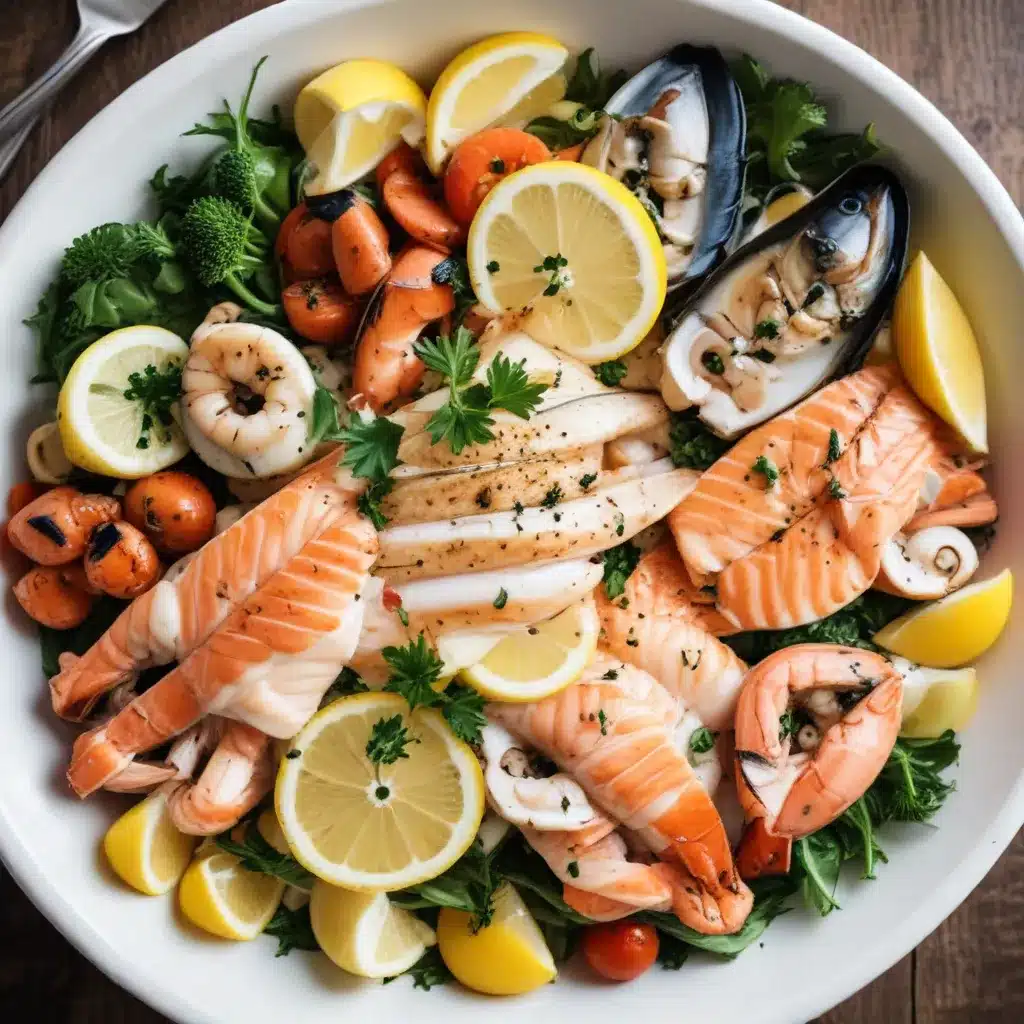
For a light and refreshing meal, consider a seafood salad. Combine cooked shrimp, crab meat, or flaked fish with chopped celery, red onion, and a light vinaigrette or Greek yogurt dressing. Serve over a bed of mixed greens.
When preparing seafood for children on a diet, focus on mild flavors and simple preparations. Steamed fish sticks (homemade with whole wheat breadcrumbs) or baked salmon nuggets are usually a hit.
Consider the sodium content, especially if you have high blood pressure. Canned seafood can be high in sodium, so opt for low-sodium versions or rinse canned fish thoroughly before use. Be mindful of added salt during cooking.
Incorporating a variety of seafood into your diet ensures you benefit from a wide spectrum of nutrients. Rotating between fish, shrimp, scallops, and mussels provides different vitamins, minerals, and fatty acid profiles.
The key takeaway for preparing seafood for a diet is to focus on simple, healthy cooking methods and fresh, quality ingredients. By minimizing added fats and maximizing natural flavors through herbs, spices, and citrus, you can create incredibly satisfying and nutritious meals.
Experimenting with different cuisines can also be inspiring. Many Asian and Mediterranean dishes feature seafood prepared in healthy ways, often incorporating steaming, light stir-frying, and fresh vegetable components.
Ultimately, ‘Tips Jitu Mengolah Aneka Seafood Untuk Sajian Diet’ are about making informed choices. Choose your seafood wisely, prepare it with health-conscious methods, and season it generously with natural flavor enhancers. This approach ensures that your seafood meals are not only delicious but also contribute positively to your overall health and well-being.
Remember that a balanced diet also includes a variety of other healthy foods. While seafood is a powerful ally, ensure your meals are complete with plenty of vegetables, fruits, and whole grains for optimal nutrition.
By mastering these techniques, you can confidently create a diverse and exciting repertoire of seafood dishes that support your dietary goals without sacrificing taste or enjoyment. Embrace the bounty of the ocean and make it a delicious part of your healthy lifestyle.