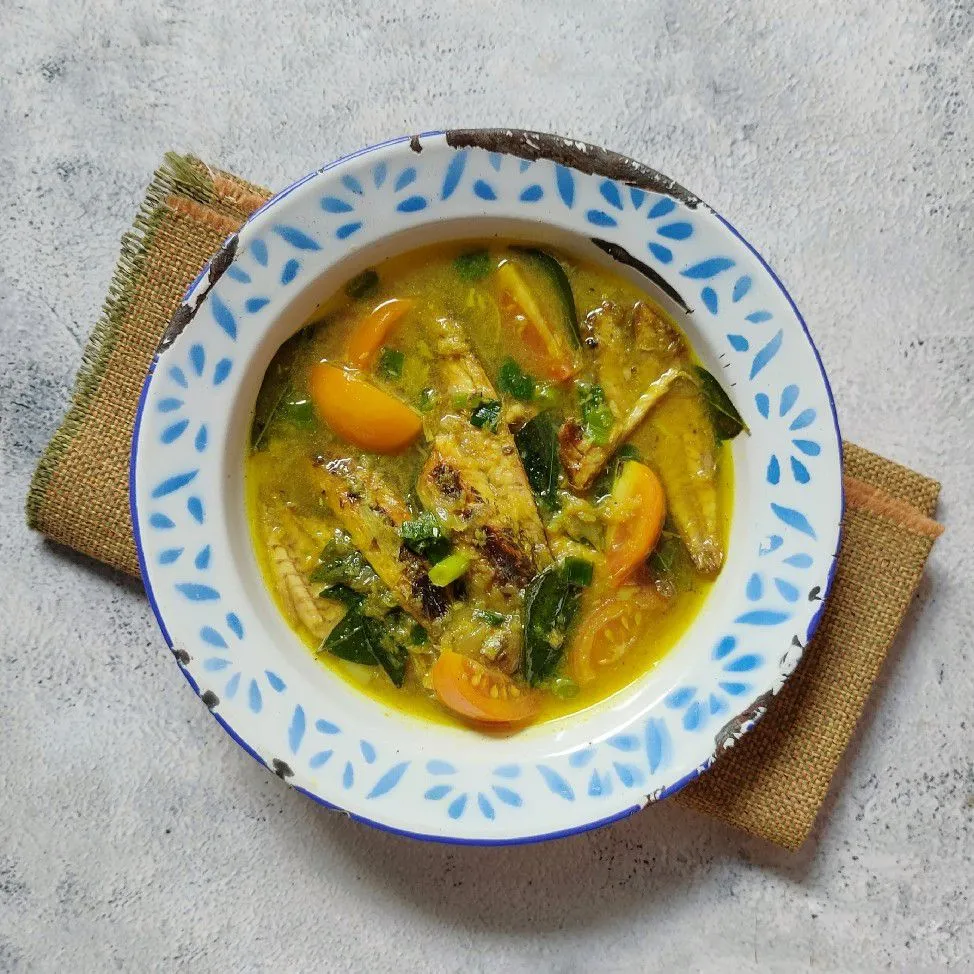
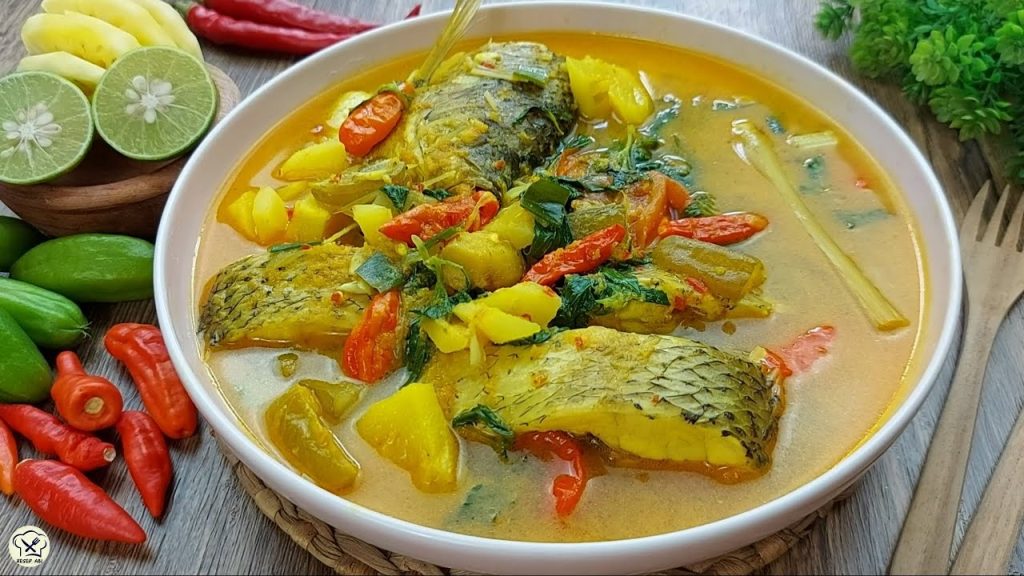

The star of this dish, ‘Ikan Salem,’ refers to a type of freshwater fish, often similar to milkfish or tilapia in its flesh and texture. Its mild flavor makes it an excellent canvas for the vibrant spices that define the ‘Kuah Kuning’ or yellow broth. The choice of fish is crucial for achieving the authentic taste, as its ability to absorb the aromatic spices is paramount.
The ‘Kuah Kuning’ itself is a symphony of aromatic spices. Turmeric, the namesake ingredient, lends the broth its characteristic golden hue and earthy notes. Galangal, lemongrass, ginger, and garlic form the aromatic base, providing layers of fragrance and a subtle warmth. Shallots, another key component, contribute a delicate sweetness and depth of flavor. The balance of these spices is what elevates the dish from simple to sublime.
Beyond the primary spices, several other ingredients contribute to the unique flavor profile of Pindang Ikan Salem Kuah Kuning. Tamarind paste (asam jawa) is essential for introducing a pleasant tanginess that cuts through the richness of the broth and complements the fish. Bird’s eye chilies (cabe rawit) can be added for a touch of heat, allowing for customization based on personal spice preference. Tomatoes add a touch of acidity and color, while kaffir lime leaves (daun jeruk) impart a distinct citrusy aroma that brightens the entire dish.
Preparing Pindang Ikan Salem Kuah Kuning traditionally involves a two-stage cooking process. The first stage focuses on extracting the maximum flavor from the spices and creating a robust broth. The second stage involves gently simmering the fish in this flavorful broth until it is perfectly cooked and infused with the aromatic essence. This method ensures that the fish remains moist and tender, avoiding the risk of overcooking.
Let’s delve into the essential ingredients required for this culinary adventure. You will need approximately 500 grams of fresh Ikan Salem, cleaned and cut into desired portions. For the spice paste (bumbu halus), gather 8-10 cloves of garlic, 10-12 shallots, 3-4 cm of fresh turmeric, 2 cm of fresh ginger, and 2 cm of fresh galangal. You’ll also need 2-3 stalks of lemongrass, bruised to release their aroma, and 3-5 kaffir lime leaves, torn.
For the broth, prepare 1.5 liters of water, 2 tablespoons of tamarind paste (dissolved in a little warm water and strained), and salt and sugar to taste. Optional additions for heat include 5-10 bird’s eye chilies, left whole or roughly chopped, and 1-2 tomatoes, cut into wedges.
The preparation begins with the spice paste. Finely grind or blend the garlic, shallots, turmeric, ginger, and galangal. A food processor or a mortar and pestle can be used for this. The goal is to achieve a smooth, aromatic paste that will form the foundation of the kuah kuning.
Once the spice paste is ready, heat a tablespoon of cooking oil in a pot or wok over medium heat. Sauté the spice paste until it becomes fragrant and the oil separates slightly, indicating that the spices have been well cooked. This step is crucial for developing the depth of flavor and eliminating any raw spice taste.
Add the bruised lemongrass stalks and torn kaffir lime leaves to the pot. Stir for another minute, allowing their aromas to meld with the sautéed spice paste. This aromatic infusion is key to the signature scent of Pindang Ikan Salem Kuah Kuning.
Pour in the water and bring the mixture to a boil. Reduce the heat to a simmer and let the broth cook for about 10-15 minutes. This allows the flavors of the spices to fully infuse into the liquid, creating a rich and aromatic base.
Now, it’s time to add the tamarind water. Stir it into the simmering broth. The tamarind will provide the characteristic sourness that balances the other flavors. Be mindful not to add too much at once; you can always adjust the tanginess later.
Season the broth with salt and sugar. Start with a moderate amount and taste as you go. The goal is to achieve a harmonious balance between savory, sweet, and sour. Indonesian cuisine often features this complex flavor interplay.
If you prefer a spicier version, add the bird’s eye chilies at this stage. You can add them whole for a milder heat or slice them for a more intense kick. The chilies will infuse their spice into the broth as it simmers.
Gently place the cleaned and portioned Ikan Salem into the simmering broth. Ensure the fish is submerged. Be careful not to overcrowd the pot, as this can lower the broth’s temperature and affect the cooking process.
Add the tomato wedges, if using. They will soften and release their juices, adding a subtle sweetness and acidity to the broth, as well as a pleasant visual element.
Cover the pot and let the fish simmer gently in the kuah kuning for about 10-15 minutes, or until the fish is fully cooked and flakes easily with a fork. Avoid stirring too vigorously, as this can break up the delicate fish.
Taste the broth again and adjust the seasoning if necessary. You might need more salt, sugar, or a touch more tamarind water depending on your preference. The perfect balance is subjective, so trust your palate.
Once the fish is cooked and the flavors are well-balanced, remove the pot from the heat. The Pindang Ikan Salem Kuah Kuning is now ready to be served.
Serving this delightful dish is an experience in itself. Ladle the fish and generous amounts of the fragrant yellow broth into individual bowls. It is traditionally served hot, often accompanied by steamed white rice, which is perfect for soaking up the flavorful broth.
Garnishes can elevate the presentation and add an extra layer of freshness. Fresh cilantro, sliced red chilies, or a squeeze of lime juice can be offered as optional toppings. Some may also enjoy a side of sambal for those who crave even more heat.
For those who are not accustomed to cooking with fresh turmeric, it’s worth noting that it can stain. Wearing gloves and using a cutting board dedicated to staining ingredients can be helpful. Alternatively, pre-ground turmeric powder can be used, though fresh turmeric generally offers a more vibrant flavor and color.
When selecting Ikan Salem, opt for fresh, firm fish with clear eyes and bright red gills. If fresh fish is unavailable, frozen Ikan Salem can be used, but ensure it is thawed properly before cooking.
The quality of the tamarind paste also plays a role. Look for natural tamarind paste without added sugar or preservatives for the best flavor. If you’re using tamarind pulp, soak it in hot water, mash it, and strain it to extract the juice.
Lemongrass can be a bit fibrous. Bruising it with the back of a knife helps to release its essential oils and aroma more effectively. Similarly, kaffir lime leaves release their fragrance best when slightly torn.
For a vegetarian or vegan adaptation, one could substitute the fish with firm tofu or tempeh and ensure that no animal products are used in the broth preparation. However, the authentic Pindang Ikan Salem Kuah Kuning is inherently a fish dish.
The cooking time for the fish can vary depending on its size and thickness. It’s important to check for doneness rather than strictly adhering to a time limit. Overcooked fish will be dry and tough, detracting from the dish’s appeal.
Properly storing leftovers is also important. Allow the Pindang to cool completely before refrigerating. It can be stored in an airtight container for up to 2-3 days. Reheat gently on the stovetop or in the microwave.
Reheating Pindang can sometimes intensify the flavors, as the ingredients continue to meld. However, be cautious not to overcook the fish during reheating.
Exploring variations of this dish can be a fun culinary adventure. Some regions might add different types of fish, while others might incorporate a wider array of vegetables or herbs. The core elements of the yellow broth and the gentle cooking method remain consistent.
The beauty of Pindang Ikan Salem Kuah Kuning lies in its simplicity and the depth of flavor achieved through a masterful blend of common, yet potent, Indonesian spices. It’s a dish that is both comforting and exotic, perfect for a family meal or for impressing guests with your culinary prowess.
This recipe serves as a fantastic introduction to Indonesian cuisine, showcasing the harmonious use of spices and the skillful preparation of fresh ingredients. It’s a testament to how simple techniques can yield incredibly complex and satisfying results.
Mastering this dish is not just about following a recipe; it’s about understanding the role of each ingredient and the technique behind its preparation. It’s about embracing the vibrant culinary heritage of Indonesia and bringing a taste of it into your home.
So, gather your ingredients, embrace the process, and prepare to be delighted by the exquisite flavors of Pindang Ikan Salem Kuah Kuning. Selamat makan!