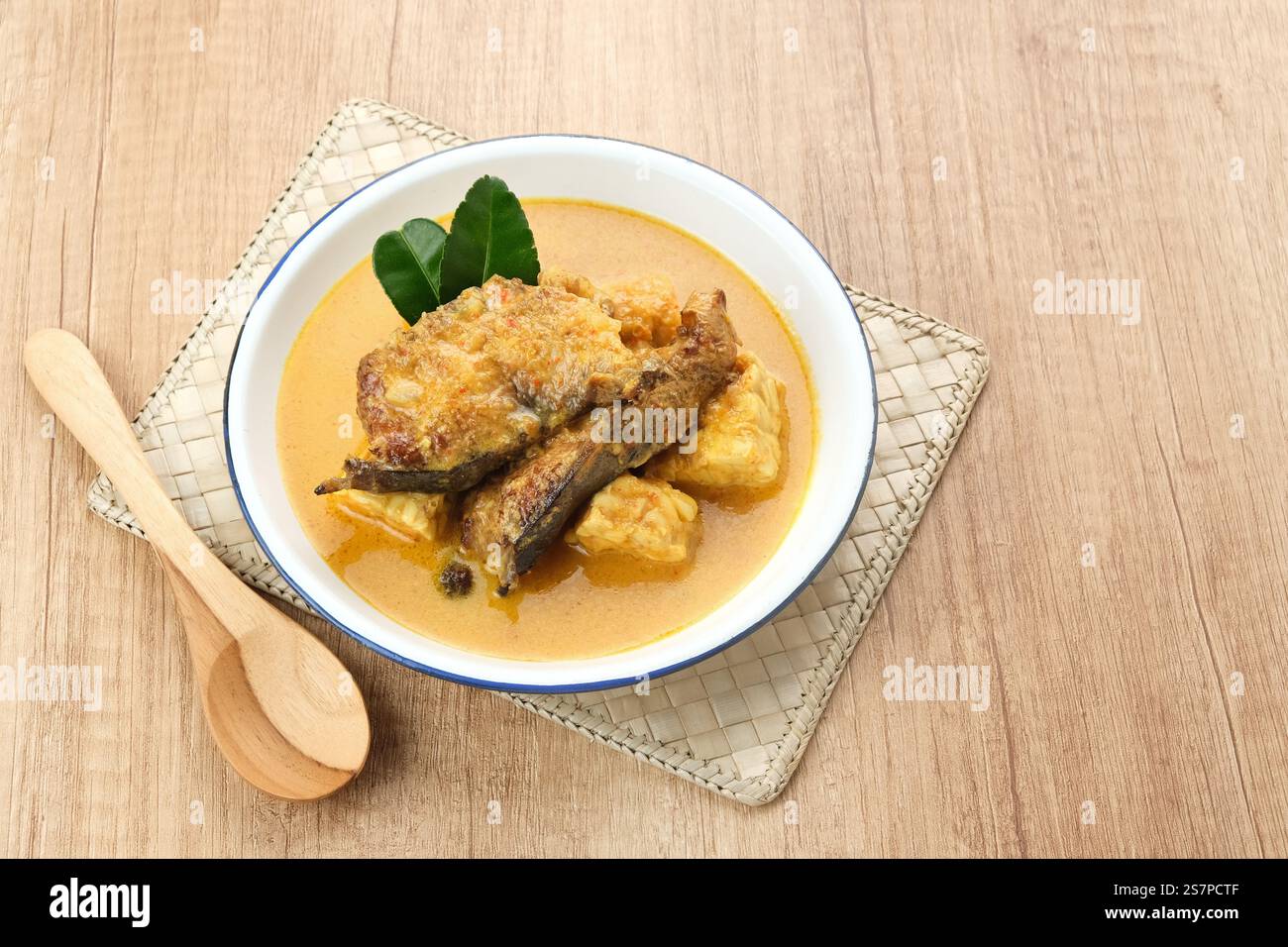


The foundation of any great Mangut lies in the quality of its primary ingredient: the smoked snakehead fish. Opt for fish that have been expertly smoked, ensuring a consistent and pleasant smoky aroma without being overpowering. Look for fish with firm, intact flesh that hasn’t dried out during the smoking process. The color should be a uniform golden brown. If possible, purchase from reputable vendors who specialize in smoking fish to guarantee freshness and proper preparation.
When preparing the smoked snakehead fish for Mangut, it’s crucial to handle it with care. Gently rinse the fish under cold running water to remove any surface impurities. Avoid soaking it for too long, as this can diminish its smoky flavor and firm texture. Pat the fish thoroughly dry with paper towels. This step is vital for achieving a good sear or sauté later, should your recipe call for it, and for ensuring the spices adhere well to the fish.
The ‘bumbu halus’ or spice paste is the soul of Mangut. A robust and well-balanced spice paste is non-negotiable. The typical ingredients include shallots, garlic, chilies (a mix of red chilies for color and heat, and bird’s eye chilies for a sharper kick), turmeric (for color and earthy notes), ginger, and galangal. For a deeper flavor, consider adding candlenuts (kemiri) which provide a creamy texture and richness to the paste.
Grinding the spices correctly is key. Traditionally, a mortar and pestle (ulekan) are used, which yield a coarser texture that allows the flavors to meld beautifully during cooking. However, a food processor or blender can also be used. If using a blender, add a little oil or water to help the ingredients process smoothly. Aim for a fine paste, but don’t over-process to the point where it becomes watery.
Beyond the basic ‘bumbu halus,’ several aromatic ingredients contribute significantly to the complexity of Mangut. These often include lemongrass (serai), kaffir lime leaves (daun jeruk), bay leaves (daun salam), and sometimes a slice of turmeric leaf (daun kunyit) for an extra layer of fragrance. Bruise the lemongrass stalks and tear the lime leaves to release their essential oils. These aromatics are typically sautéed along with the spice paste.
The cooking liquid for Mangut is typically coconut milk. The choice of coconut milk significantly impacts the final dish. For the richest and creamiest Mangut, use thick coconut milk (santan kental) for the initial sautéing and simmering, and thinner coconut milk (santan encer) for the final stage. If using canned coconut milk, ensure it’s of good quality. Freshly squeezed coconut milk offers unparalleled flavor and texture.
Sautéing the spice paste and aromatics is a critical step. Heat a generous amount of oil in a wok or deep pan over medium heat. Add the ground spice paste and sauté until fragrant and the oil starts to separate from the paste. This process, known as ‘menumis bumbu pecah minyak,’ is crucial for developing the full flavor profile and removing the raw taste of the spices. Add the bruised lemongrass, kaffir lime leaves, and bay leaves and continue to sauté until their aromas are released.
Once the spice paste is well-sautéed, it’s time to introduce the coconut milk. Start with the thicker coconut milk. Stir continuously to prevent the coconut milk from curdling. Bring the mixture to a gentle simmer.
The smoked snakehead fish is then added to the simmering coconut milk. Ensure the fish is submerged as much as possible to allow it to absorb the flavors. Be gentle when stirring to avoid breaking the fish apart. Let the fish simmer gently in the spiced coconut milk, allowing the flavors to meld and the fish to become tender.
Simmering time is important. Allow the Mangut to simmer for at least 15-20 minutes, or until the sauce has thickened slightly and the flavors have deepened. If using thinner coconut milk, add it towards the end of the cooking process to maintain its delicate flavor and prevent over-reduction.
Seasoning is a delicate balance. Taste the Mangut and adjust the seasoning accordingly. Common seasonings include salt, sugar (a pinch to balance the flavors), and sometimes a dash of fish sauce or soy sauce for added umami. Be mindful of the saltiness of the smoked fish itself.
For those who enjoy a spicier kick, additional chilies can be added. Whole bird’s eye chilies can be added during the simmering process for bursts of heat, or sliced chilies can be stirred in just before serving. The level of spice is a personal preference, so adjust accordingly.
A touch of acidity can brighten the flavors of Mangut. Some recipes call for a squeeze of lime juice or a teaspoon of tamarind paste dissolved in a little water, added towards the end of cooking. This adds a subtle tang that cuts through the richness of the coconut milk.
Toppings and garnishes can elevate the presentation and taste. Fresh cilantro, sliced red chilies, or a drizzle of chili oil can add a final flourish. Some regions might add fried shallots for an extra layer of crunch and aroma.
Serving suggestions are as varied as the recipes themselves. Mangut is traditionally served with steamed white rice, which acts as a perfect canvas to soak up the rich, flavorful sauce. It can also be enjoyed with lontong (rice cakes) or ketupat (diamond-shaped rice cakes).
Variations abound. While smoked snakehead is the star, other smoked fish like mackerel (ikan kembung asap) or catfish (ikan lele asap) can also be used with delicious results. The spice paste can also be adapted, with additions like shrimp paste (terasi) for a more pungent umami flavor.
Proper storage is essential if you have leftovers. Allow the Mangut to cool completely before transferring it to an airtight container. Refrigerate and consume within 2-3 days. Reheat gently on the stovetop or in the microwave.
The smoky essence of the fish is paramount. If your smoked fish lacks a strong smoky flavor, you can enhance it by briefly grilling or broiling the fish before adding it to the Mangut. This will impart a fresh smoky char.
Don’t be afraid to experiment with the texture of the spice paste. A slightly coarser paste can offer more textural interest in the finished dish, while a very fine paste will blend more seamlessly into the sauce.
The quality of your chilies will significantly impact the heat and flavor. Use fresh, vibrant chilies. For a milder flavor, remove the seeds and membranes from the red chilies. For maximum heat, leave them in.
Consider the fat content of your coconut milk. Full-fat coconut milk will yield a richer, more decadent Mangut. If you prefer a lighter version, you can use light coconut milk or even a blend of coconut milk and water, but this will affect the final texture and richness.
When simmering, keep the heat low to medium-low. A vigorous boil can cause the coconut milk to split and the fish to break apart. Gentle simmering allows the flavors to infuse slowly and the ingredients to cook evenly.
The addition of tamarind paste is a nuanced technique. Too much can make the Mangut sour. Start with a small amount and taste, adding more only if needed to achieve that perfect balance of richness and brightness.
For an authentic touch, try adding a piece of fresh turmeric root to the spice paste. Its earthy notes and vibrant color are invaluable. Ensure it’s peeled before grinding.
If you find your Mangut sauce too thin, you can thicken it by simmering it uncovered for a longer period, allowing excess liquid to evaporate. Alternatively, you can create a slurry of a tablespoon of cornstarch or rice flour with a little water and stir it in during the final stages of cooking.
The art of Mangut lies in the layering of flavors. Each component, from the smoky fish to the aromatic spices and creamy coconut milk, plays a vital role. Patience and attention to detail during each step will result in a truly exceptional dish.
Smoked snakehead fish offers a unique texture that holds up well to the simmering process. Its slightly chewy consistency provides a delightful contrast to the smooth, rich sauce.
Consider infusing your cooking oil with aromatics before adding the spice paste. Lightly frying bruised lemongrass or sliced chilies in the oil can add another dimension of flavor.
The final dish should have a balanced flavor profile: smoky, spicy, savory, and slightly sweet, with a creamy undertone. If any one of these elements is dominant, adjust accordingly.
Mangut is a dish that benefits from resting. Allowing it to sit for a few minutes after cooking lets the flavors meld further, resulting in an even more delicious experience.
Embrace the regional variations of Mangut. While this guide focuses on smoked snakehead, understanding how other regions prepare their Mangut can inspire your own culinary journey.
The visual appeal of Mangut is also important. A vibrant orange-red hue from the turmeric and chilies, studded with pieces of tender fish and garnished with fresh herbs, makes for an appetizing presentation.