
This article is your ultimate guide to demystifying the art of cooking exquisite prawns. We’ll delve into everything from selecting the finest prawns to mastering essential cooking methods and providing you with a collection of sensational restaurant-style prawn recipes that will impress even the most discerning palates.
The Allure of Restaurant-Quality Prawns
What makes restaurant prawns so special? Often, it’s a combination of impeccable freshness, precise cooking times, and expertly crafted sauces and seasonings. Restaurants invest in high-quality ingredients and employ chefs who understand the nuances of seafood preparation. Our goal is to empower you with that same level of understanding and skill.
The journey to perfect prawns begins long before they hit the pan. Sourcing the best prawns is paramount. Look for fresh prawns that are firm to the touch, have a mild, oceanic scent (not fishy), and possess translucent shells. If buying frozen, ensure they are individually quick-frozen (IQF) and free from freezer burn.
Selecting Your Star Ingredient: Fresh vs. Frozen Prawns
While fresh prawns are often preferred, high-quality frozen prawns can be an excellent alternative, especially if you don’t live near a coast. Frozen prawns are often processed and frozen shortly after being caught, preserving their freshness. Always thaw frozen prawns slowly in the refrigerator overnight or under cold running water for quicker results.
Consider the size of your prawns based on the recipe. Larger prawns (like jumbo or colossal) are ideal for grilling or standalone dishes, offering a meatier bite. Medium or small prawns work well in pasta, stir-fries, or curries where they integrate more seamlessly with other ingredients.
Essential Techniques for Perfectly Cooked Prawns
Overcooking is the cardinal sin when it comes to prawns. Perfectly cooked prawns are tender, juicy, and have a slight snap. Overcooked prawns become rubbery and tough. The key is quick, high-heat cooking.
Cleaning and deveining your prawns is a crucial first step. While many prawns come deveined, checking them ensures a better eating experience. Simply make a shallow incision along the back curve and remove the dark intestinal tract. You can leave the tails on for presentation, especially in restaurant-style dishes.
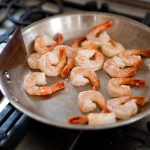
Sautéing Prawns for Succulent Results: This is perhaps the most common method. Heat a pan over medium-high heat with a little oil or butter. Add prawns in a single layer, ensuring not to overcrowd the pan. Cook for 1-2 minutes per side until they turn opaque and pink. That’s it!
Grilling Prawns for Smoky Flavor: Thread prawns onto skewers. Brush lightly with oil and season. Grill over medium-high heat for 2-3 minutes per side. The char marks add a beautiful depth of flavor and visual appeal.
Pan-Frying for a Crispy Exterior: For a slightly crispier texture, you can lightly coat prawns in flour or cornstarch before pan-frying in hot oil. This creates a delicate crust while keeping the interior moist.
Recipe Spotlight 1: Zesty Garlic Butter Prawns
This classic is a staple on almost every restaurant menu for a reason. It’s simple, elegant, and utterly delicious. The key is using fresh garlic and good quality butter.
Ingredients: Large prawns, unsalted butter, minced garlic, fresh lemon juice, fresh parsley, salt, black pepper, a pinch of red pepper flakes (optional).
Method: Melt butter in a large skillet over medium heat. Add garlic and red pepper flakes, sauté for 30 seconds until fragrant. Add prawns and cook for 1-2 minutes per side until pink and opaque. Stir in lemon juice and fresh parsley. Season to taste. Serve immediately with crusty bread for dipping.
Recipe Spotlight 2: Fiery Asian Chili Prawns
Inspired by vibrant Asian cuisine, these prawns offer a tantalizing balance of sweet, spicy, and savory. This dish is fantastic served with jasmine rice.
Ingredients: Prawns, sesame oil, ginger, garlic, red chili (fresh or paste), soy sauce, rice vinegar, honey or brown sugar, ketchup, cornstarch slurry (cornstarch + water), spring onions, sesame seeds.
Method: Whisk together soy sauce, rice vinegar, honey, and ketchup. Heat sesame oil in a wok or large skillet. Sauté ginger, garlic, and chili until fragrant. Add prawns and cook quickly until just pink. Pour in the sauce mixture and bring to a simmer. Stir in the cornstarch slurry to thicken. Cook until sauce coats the prawns. Garnish with spring onions and sesame seeds.
Recipe Spotlight 3: Luxurious Creamy Prawn Scampi with Pasta
Indulge in a rich, comforting pasta dish that feels incredibly gourmet. The creamy sauce clings beautifully to the pasta and prawns.
Ingredients: Prawns, linguine or spaghetti, olive oil, butter, garlic, white wine (or chicken broth), heavy cream, Parmesan cheese, fresh parsley, salt, pepper.
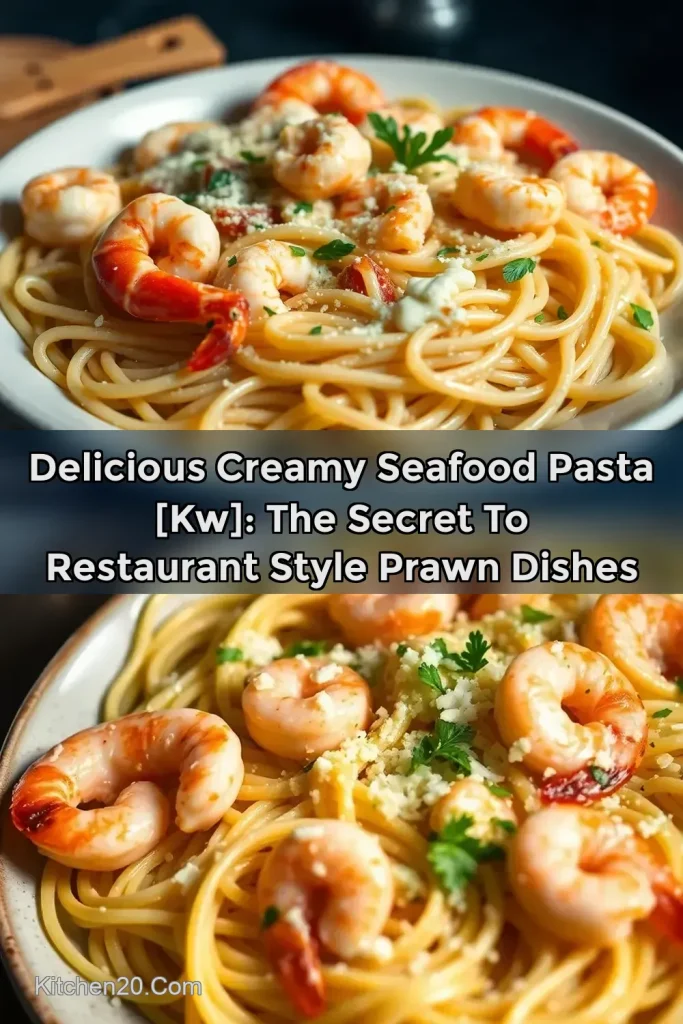
Method: Cook pasta according to package directions. While pasta cooks, heat olive oil and butter in a large skillet. Sauté garlic until fragrant. Add prawns and cook briefly until they just start to turn pink. Deglaze the pan with white wine, scraping up any browned bits. Stir in heavy cream and simmer gently until slightly thickened. Add cooked pasta, prawns, and a generous amount of Parmesan cheese and parsley. Toss to combine. Season generously.
Recipe Spotlight 4: Mediterranean Grilled Lemon Herb Prawns
For a lighter, fresher option, these grilled prawns burst with Mediterranean flavors. They are perfect for a summer barbecue or a healthy weeknight meal.
Ingredients: Large prawns, olive oil, fresh lemon juice, dried oregano, dried thyme, minced garlic, salt, pepper, fresh dill or parsley for garnish.
Method: In a bowl, combine olive oil, lemon juice, oregano, thyme, garlic, salt, and pepper. Add prawns and toss to coat. Marinate for at least 15 minutes (up to 30 minutes). Thread prawns onto skewers. Grill over medium-high heat for 2-3 minutes per side, until opaque and lightly charred. Garnish with fresh dill or parsley.
Beyond the Basics: Elevating Your Prawn Dishes
Mastering the Marinade: A good marinade infuses prawns with flavor and can tenderize them slightly. Acidic components like lemon juice or vinegar, combined with olive oil, herbs, and spices, work wonders. Just be careful not to marinate for too long (no more than 30 minutes for delicate prawns) as the acid can start to ‘cook’ them.
Deglazing the Pan: After cooking prawns, the browned bits left in the pan (fond) are packed with flavor. Deglaze with a splash of wine, broth, or even lemon juice, scraping the bottom of the pan to release these treasures. This liquid then forms the base of an incredibly flavorful sauce.
The Art of Plating: Presentation matters. Arrange your prawns artfully on the plate. A sprinkle of fresh herbs, a drizzle of a complementary sauce, or a wedge of lemon can elevate a simple dish to restaurant status.
Common Pitfalls to Avoid When Cooking Prawns
- Overcooking: As mentioned, this is the biggest mistake. Prawns cook very quickly. Remove them from the heat as soon as they turn opaque pink.
- Crowding the Pan: When you add too many prawns to a pan, the temperature drops, and they steam instead of sear. Cook in batches if necessary.
- Under-Seasoning: Prawns have a delicate flavor that benefits from proper seasoning. Don’t be shy with salt and pepper, and consider adding aromatics and herbs.
- Not Thawing Properly: If using frozen prawns, ensure they are fully thawed and patted dry before cooking. Excess water can lead to steaming instead of searing.
Pairing Your Prawn Creations: What to Serve Alongside
Frequently Asked Questions (FAQ) About Cooking Prawns
How do I know when prawns are cooked? Prawns are cooked when they turn opaque pink and curl into a loose ‘C’ shape. If they form a tight ‘O’ shape, they are likely overcooked. The flesh should be firm but still tender.
Can I prepare prawns ahead of time? You can clean and devein prawns a few hours in advance and store them in the refrigerator. However, it’s best to cook them just before serving to maintain their optimal texture and flavor. Marinades should also be kept short.
What’s the best way to defrost frozen prawns? The safest method is to transfer them to the refrigerator overnight. For quicker thawing, place them in a colander under cold running water for 10-15 minutes, ensuring they remain in their packaging or a sealed bag to prevent waterlogging.
Are all types of prawns suitable for these recipes? Most common varieties like white, tiger, or rock prawns work well. The key is consistent size for even cooking. Avoid very small salad shrimp for these main dishes, as they cook too quickly.
How can I add more depth of flavor to my prawn dishes? Consider using homemade seafood stock instead of water or commercial broth. A splash of good quality sherry or brandy can also add complexity when deglazing. Fresh herbs, toasted spices, and a final drizzle of high-quality olive oil can also make a significant difference.
Embracing these techniques and recipes will empower you to create truly unforgettable prawn dishes in your own home. The joy of cooking and sharing gourmet-quality food with loved ones is an experience unlike any other. So, gather your ingredients, fire up your stove, and get ready to impress with your newfound culinary prowess. Your next restaurant-worthy meal is just a few steps away!