
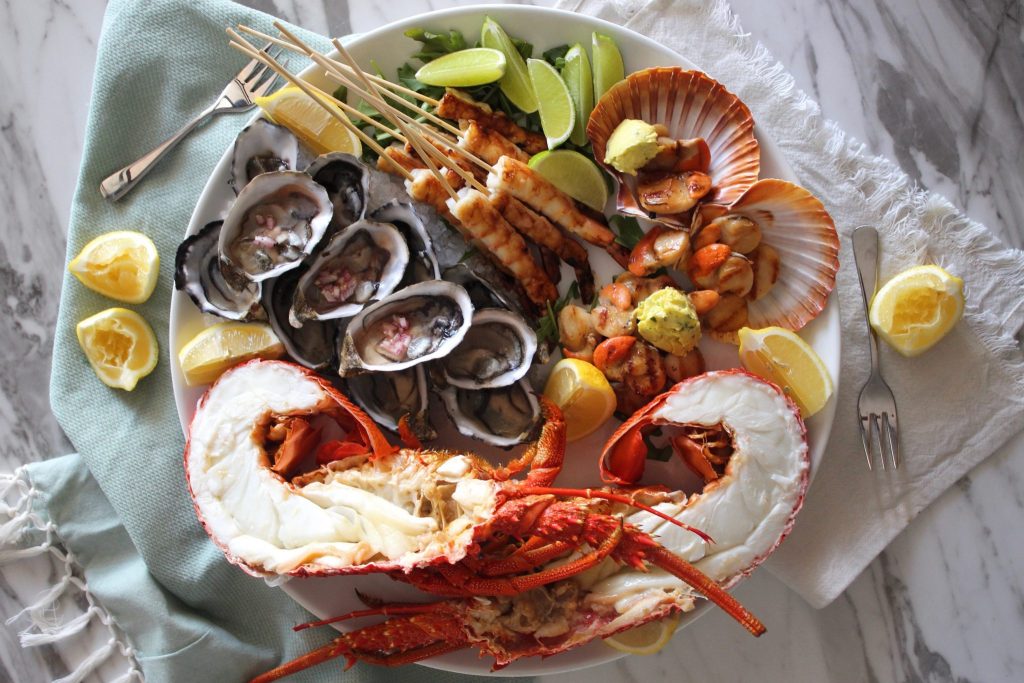

The journey to a magnificent lobster dish begins with understanding the different species of freshwater lobster. The most commonly farmed and commercially available include the Redclaw crayfish (Cherax quadricarinatus) and the Marron (Cherax cainii), both native to Australia, as well as various species of Procambarus, often referred to as crawfish or crawdads, popular in North America. Each species possesses subtle differences in size, shell thickness, and flavor profile, which can influence cooking times and preparation methods. Redclaw, for instance, is known for its substantial claws and sweet, succulent meat, making it an excellent choice for showcasing its natural flavor.
Sourcing high-quality freshwater lobster is paramount. Look for reputable aquaculture farms that prioritize sustainable practices and animal welfare. Freshness is key; live lobsters are always the best option, as their quality deteriorates rapidly after death. When purchasing live specimens, ensure they are active and have intact shells. If live is not an option, seek out frozen tails or whole lobsters that have been flash-frozen to preserve their texture and flavor. Avoid any with a strong, unpleasant odor, which can indicate spoilage.
Before cooking, proper preparation is essential. The first step is often purging the lobster to remove any impurities or sediment from its digestive tract. This can be achieved by placing live lobsters in clean, aerated, cold water for several hours, or even overnight, sometimes with a small amount of salt. This process not only cleanses the lobster but also ensures a cleaner flavor in the final dish.
Cleaning the lobster involves rinsing it thoroughly under cold running water. For whole lobsters, you may need to scrub the shell gently to remove any debris. Depending on the recipe, you might choose to cook the lobster whole, or you may opt to separate the tail, claws, and body. Separating these parts can facilitate more even cooking and allow for creative presentation.
The most straightforward method for preparing freshwater lobster is boiling or steaming. This method is ideal for preserving the lobster’s natural sweetness and delicate texture. For boiling, bring a large pot of salted water to a rolling boil. You can enhance the flavor by adding aromatics such as lemon wedges, bay leaves, peppercorns, and herbs like dill or parsley. Submerge the lobsters headfirst into the boiling water and cook for approximately 5-8 minutes per pound, depending on size. Overcooking is the most common mistake, leading to tough, rubbery meat.
Steaming offers a gentler cooking method, which can further enhance the lobster’s tenderness. Place the lobsters in a steamer basket over simmering, seasoned water. Cover tightly and steam for a similar duration as boiling. The steamed meat often retains a more delicate flavor and succulence compared to boiling.
Once cooked, immediately plunge the lobsters into an ice bath. This stops the cooking process instantly, preventing the meat from becoming overcooked and rubbery. It also makes the meat easier to extract from the shell. For serving, the classic presentation involves cracking the shells and extracting the succulent meat from the tail and claws. The tomalley (greenish substance in the body cavity) and roe (if present) are considered delicacies by many and can be incorporated into sauces or served as is.
Grilling is another excellent method for preparing freshwater lobster, imparting a subtle smoky flavor and a slightly charred exterior. Halved or butterflied lobsters brushed with olive oil, garlic, and herbs are perfect for the grill. Cook flesh-side down for a few minutes until lightly charred, then flip and cook shell-side down until the meat is opaque and cooked through. This method works best with larger specimens.
Sautéing offers a quick and versatile way to prepare lobster meat, particularly the tails. Remove the meat from the shell, cut it into bite-sized pieces, and sauté in butter or olive oil with garlic, shallots, and herbs until just cooked. This is ideal for dishes where the lobster meat is an integral part of a larger preparation, such as pasta or risotto.
For a truly luxurious experience, consider dishes that highlight the lobster’s inherent sweetness and delicate texture. A classic approach is Lobster Thermidor, adapted for freshwater species. This involves cooking the lobster meat, dicing it, and returning it to the shell, then enriching it with a creamy sauce, often featuring brandy, mushrooms, and a touch of mustard, before broiling it to a golden-brown finish.
Another elegant preparation is Lobster Bisque. The shells, rich in flavor, can be roasted and then simmered with aromatics, mirepoix, and stock to create a deeply flavored base. The cooked lobster meat is then added, and the soup is often finished with cream and a splash of sherry, resulting in a velvety, rich, and intensely satisfying dish.
Lobster Risotto is a sophisticated choice that pairs the creamy Arborio rice with tender pieces of freshwater lobster. The lobster meat can be gently poached and added towards the end of the risotto cooking process, or the shells can be used to infuse the cooking liquid with extra flavor. A touch of lemon zest and fresh herbs brightens the dish.
Freshwater lobster also lends itself beautifully to lighter preparations. Consider a Lobster Salad, where poached or grilled lobster meat is tossed with fresh greens, avocado, a light vinaigrette, and perhaps some grapefruit segments for a refreshing and elegant appetizer or light lunch.
For a more adventurous palate, try Lobster Scampi. This involves sautéing lobster meat with garlic, butter, white wine, and lemon juice, served over linguine or other pasta. The simplicity of the preparation allows the lobster’s flavor to shine through.
When it comes to sauces, the possibilities are endless. A simple drawn butter infused with garlic or herbs is a classic accompaniment. For more complex flavors, consider a lemon-butter sauce, a white wine reduction, or even a light tomato-based sauce. The tomalley, if available, can be emulsified into sauces to add richness and a unique depth of flavor.
Presentation is key in elevating any dish to a luxurious status. For whole lobsters, consider serving them artfully arranged, perhaps garnished with fresh herbs, lemon wedges, and edible flowers. For de-shelled meat, arrange it meticulously on the plate, ensuring each piece is visible and appealing.
Pairing freshwater lobster with the right beverages can enhance the dining experience. Crisp, dry white wines such as Sauvignon Blanc, Pinot Grigio, or a unoaked Chardonnay are excellent choices. Champagne or other sparkling wines also complement the richness of lobster beautifully.
The versatility of freshwater lobster extends to its pairing with various side dishes. Simple steamed or roasted vegetables, a light green salad, or creamy mashed potatoes can provide a perfect counterpoint to the lobster’s richness. For a more decadent meal, consider truffle-infused accompaniments.
When considering nutritional aspects, freshwater lobster is a good source of lean protein, low in fat, and rich in essential minerals like selenium, zinc, and vitamin B12. Its relatively low calorie count makes it a healthier choice for indulgent meals.
For those looking to experiment further, consider infusing the cooking liquid with unique spices or botanicals. Lemongrass, ginger, and star anise can add an exotic twist to steamed or boiled lobster. A subtle infusion of saffron can also impart a beautiful color and delicate aroma.
If you are preparing lobster tails, scoring them lengthwise before cooking can help them cook more evenly and absorb marinades or glazes more effectively. This is particularly useful for grilling or broiling.
When making bisque or stock from the shells, don’t discard the heads. They contain flavorful meat and can be roasted alongside the shells to deepen the stock’s complexity.
For recipes requiring cooked lobster meat, poaching it gently in a flavorful liquid (water, white wine, herbs, lemon) ensures it remains moist and tender, preventing the dryness that can occur with overcooking.
Consider the texture contrast in your dishes. Crispy elements, such as fried shallots or croutons, can provide a delightful counterpoint to the soft, succulent lobster meat.
When serving de-shelled lobster meat, a light dusting of paprika or a drizzle of vibrant herb oil can add visual appeal and a subtle flavor enhancement.
For a truly memorable appetizer, consider serving chilled lobster meat with a delicate mango salsa or a cucumber-avocado mousse. The sweetness of the mango and the creaminess of the avocado beautifully complement the lobster.
Experiment with different types of butter for sautéing or serving. Garlic-herb butter is classic, but consider adding a hint of chili for a kick, or a touch of citrus zest for brightness.
When planning a multi-course meal, lobster can be featured in various ways. A light lobster salad as an appetizer, followed by a richer lobster pasta or a whole roasted lobster as the main course, offers a progressive exploration of its flavors and textures.
The key to success with freshwater lobster, as with any premium ingredient, lies in respecting its natural qualities. Avoid overpowering it with heavy spices or sauces. Aim to enhance, rather than mask, its inherent sweetness and delicate texture.
By embracing these techniques and creative ideas, you can confidently transform freshwater lobster from a humble ingredient into a centerpiece of elegant, memorable, and truly luxurious dining experiences.