
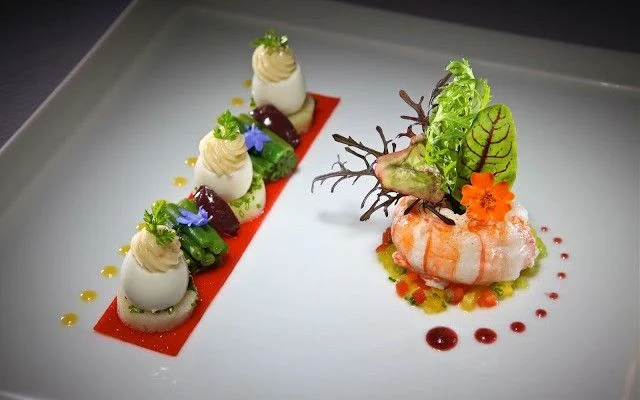

Understanding the principles of good plating is the foundation. It’s not just about arranging food; it’s about creating a balanced, harmonious composition that guides the diner’s eye and stimulates their appetite. Key elements include balance, proportion, color, texture, and the use of negative space. Think of your plate as a canvas and the food as your paint.
Balance and Proportion: A well-plated dish feels stable and intentional. Avoid overcrowding the plate, as this can make the food look messy and unappetizing. Conversely, a dish that is too sparse can appear unfinished. Aim for a pleasing distribution of elements, ensuring that no single component overpowers the others.
Color Contrast: Vibrant colors are essential for visual appeal. Seafood itself can range from pearly white to deep pink and orange. Complement these colors with vibrant garnishes, sauces, and side dishes. Think of the bright green of fresh herbs, the deep red of roasted peppers, or the sunny yellow of a lemon wedge.
Texture Variety: A plate should offer a tactile experience as well as a visual one. Contrast smooth, tender seafood with crunchy elements like toasted nuts, crispy fried shallots, or a delicate vegetable slaw. This textural interplay adds depth and interest to the overall dish.
Negative Space: This refers to the empty areas on the plate. Strategic use of negative space allows the main components of the dish to stand out and breathe. It prevents the plate from looking cluttered and adds a sense of sophistication and refinement.
The Rule of Odds: In visual composition, odd numbers of elements are often more appealing than even numbers. This applies to garnishes, main ingredients, or decorative drizzles. Three scallops, for example, can look more dynamic than four.
When plating seafood, consider the shape and form of the ingredients. Whole fish, fillets, shellfish, and crustaceans all have unique characteristics that can be highlighted. For instance, a perfectly seared scallop can be a stunning focal point, while a delicate shrimp can be arranged to add height and movement.
Sauces: Sauces are not just flavor enhancers; they are also powerful visual tools. Think beyond a simple pool of sauce at the bottom of the plate. Chefs use a variety of techniques: elegant drizzles, precise dots, delicate swirls, or a smooth, even spread across the base of the plate. The color and consistency of the sauce are also important considerations.
Garnishes: Garnishes should be edible, complementary to the dish, and thoughtfully placed. Microgreens, edible flowers, citrus zest, toasted seeds, and finely chopped herbs are common choices. Ensure garnishes are fresh and vibrant, adding a pop of color and a hint of aroma.
Height and Dimension: Adding height to a dish creates visual interest and draws the eye upwards. This can be achieved by stacking ingredients, using taller garnishes, or creating a base for the seafood to rest upon. Think about constructing a small culinary sculpture on your plate.
The Plate Itself: The choice of plate is fundamental. White plates are classic and allow the colors of the food to shine. Darker plates can create a dramatic contrast, especially for lighter-colored seafood. Consider the shape and size of the plate – a shallow bowl might be suitable for a seafood stew, while a flat plate is ideal for arranging individual pieces.
Let’s delve into specific seafood plating examples. For a simple yet elegant presentation of pan-seared scallops, arrange three scallops in a slight arc. Drizzle a vibrant lemon-butter sauce artfully around them, not drowning them. Garnish with fresh chives or microgreens and a sprinkle of smoked paprika for color.
Consider grilled shrimp. Arrange them tail-on in a fanned pattern or stacked slightly to create height. Serve with a colorful salsa or a dollop of avocado crema. A lime wedge and a sprig of cilantro can complete the look. Ensure the grill marks are visible and appealing.
For a delicate poached salmon fillet, place it slightly off-center. Accompany it with a vibrant green asparagus spear or a spoonful of colorful quinoa. A light dill sauce can be drizzled sparingly. The natural pink of the salmon will be the star.
Shellfish Presentation: Oysters are often served on a bed of crushed ice, allowing their natural beauty to be showcased. Mussels or clams can be presented in their cooking vessel, garnished with parsley and a lemon wedge, creating a rustic yet refined feel.
Seafood Pasta: For a seafood pasta dish, don’t just dump the pasta onto the plate. Twirl the pasta neatly using tongs and a ladle, creating a nest. Arrange the seafood components (shrimp, mussels, calamari) artfully on top of or nestled within the pasta. A sprinkle of Parmesan and fresh basil adds the finishing touch.
Sushi and Sashimi: These Japanese delicacies are masters of minimalist plating. Focus on the pristine quality of the fish, the vibrant colors, and the precise cuts. Use traditional accompaniments like wasabi and pickled ginger as both flavor elements and visual accents.
Creating a Sauce Swirl: To create a sophisticated sauce swirl, use a squeeze bottle or a piping bag with a fine tip. Start at the center of the plate and move outwards in a spiral motion, or create elegant arcs across the plate. The key is control and precision.
Building a Base: Sometimes, the seafood needs a foundation. This could be a bed of risotto, a purée of vegetables (like cauliflower or sweet potato), or a vibrant salad. This base provides color, texture, and a stable platform for the seafood.
The Importance of Freshness: No amount of skillful plating can salvage ingredients that are not fresh. Always use the freshest seafood available. Vibrant colors, firm texture, and a clean aroma are indicators of quality.
Tools of the Trade: While not strictly necessary for home cooks, chefs often use specialized tools like offset spatulas for spreading purées, squeeze bottles for sauces, tweezers for precise placement of microgreens, and ring molds for shaping elements. However, creativity and a steady hand can often substitute for specialized equipment.
Practice Makes Perfect: Like any art form, plating takes practice. Don’t be discouraged if your first few attempts aren’t perfect. Experiment with different arrangements, colors, and garnishes. Take photos of your creations to analyze what worked and what could be improved.
Considering the Diner’s Experience: Think about how the diner will interact with the dish. Are the elements easy to access? Is the sauce distributed in a way that allows for easy incorporation into each bite? The most beautiful dish is one that is also a pleasure to eat.
The ‘Clock Face’ Method: A common guideline in professional kitchens is to think of the plate as a clock face. The protein (seafood) is typically placed at the 6 o’clock position. Starches (like risotto or potatoes) are at 3 o’clock, and vegetables are at 10 o’clock. Sauces can be drizzled over or around these elements.
Adding a Touch of Heat: For dishes that benefit from a little spice, consider a drizzle of chili oil, a sprinkle of red pepper flakes, or a finely diced chili as a garnish. Ensure the heat is complementary to the seafood and not overpowering.
Incorporating Edible Flowers: Edible flowers can add a touch of whimsy and color. Pansies, nasturtiums, and borage flowers are popular choices. Use them sparingly as a delicate accent, ensuring they don’t detract from the main components of the dish.
The Art of the Drizzle: A well-executed sauce drizzle can add elegance. Practice creating thin, consistent lines or delicate dots. Avoid thick, gloppy drizzles that can look messy. The sauce should enhance, not overwhelm.
Stacking and Layering: For a more dramatic presentation, consider stacking elements. For instance, a small mound of seafood salad can be placed on top of a crisp lettuce leaf, or layers of thinly sliced fish can be arranged vertically.
Seasonality and Theme: Consider the season when choosing your garnishes and colors. Bright, fresh flavors and colors are perfect for spring and summer, while warmer, richer tones might be suitable for autumn and winter dishes.
Final Polish: Before serving, take a moment to wipe the rim of the plate clean with a damp cloth. This final touch of neatness elevates the entire presentation and shows attention to detail.
By incorporating these principles and techniques, you can transform your seafood dishes into visually stunning works of art. Remember, the goal is to create a dining experience that delights not only the palate but also the eyes, making every meal feel like a special occasion.