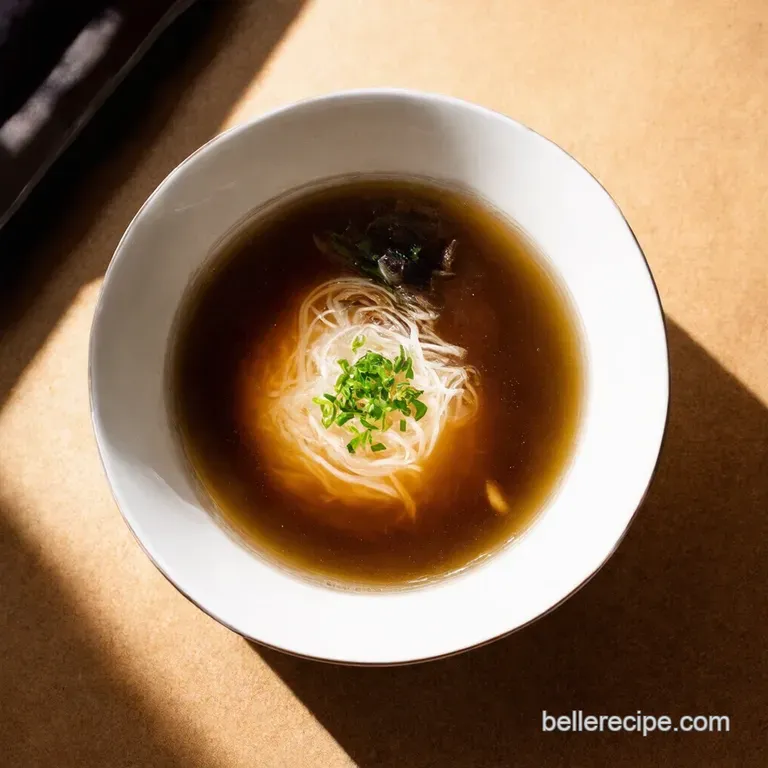


The journey to a perfect seafood broth begins with understanding its core components: the seafood itself, aromatic vegetables, and liquids. Each element plays a crucial role in building layers of flavor. By carefully selecting and preparing these ingredients, you can achieve a broth that is both intensely savory and remarkably clear.
Choosing Your Seafood: The Foundation of Flavor
The type of seafood you use will dictate the character of your broth. For a versatile, all-purpose broth, a combination of fish bones and shrimp shells is ideal. Fish bones, particularly from white-fleshed fish like snapper, cod, or sea bass, provide a clean, oceanic base. Avoid oily fish like mackerel or salmon for a general-purpose broth, as their strong flavors can overpower other ingredients and lend an undesirable richness or color.
Shrimp shells are a powerhouse of flavor. When roasted, they release a sweet, intense aroma and contribute a beautiful pink hue to the broth. Crab shells, if available, add another layer of complexity and sweetness. Mussels and clams, while delicious, can sometimes make the broth cloudy if not handled properly. If using them, ensure they are thoroughly purged of sand and grit. For a lighter, more delicate broth, consider using just fish bones and perhaps some lobster shells for a touch of luxury.
The Importance of Freshness
Freshness is paramount when making seafood broth. Use seafood that is as fresh as possible, ideally from a reputable fishmonger. If you’re using fish heads or bones from filleting, rinse them thoroughly under cold water to remove any blood or impurities. For shrimp, use the shells from fresh or recently frozen shrimp. The quality of your starting ingredients directly translates to the quality of your final broth.
Aromatic Vegetables: Building Complexity
Beyond the seafood, a carefully selected blend of aromatic vegetables, known as mirepoix in French cuisine (though we’ll adapt it for seafood), is essential for developing depth and balance. The classic trio of onion, celery, and carrot is a good starting point. However, for seafood broth, we can make some adjustments.
Onions provide sweetness and body. Yellow or white onions are suitable. Consider leaving the skins on (if clean) for a richer color, or using the outer layers for added depth. Carrots add a subtle sweetness and color, but use them sparingly if you desire a very light-colored broth. Celery contributes a fresh, slightly peppery note that complements the brininess of seafood.
Other beneficial aromatics include leeks (especially the white and light green parts), which offer a milder, sweeter onion flavor. Garlic cloves, lightly smashed, add pungency and aroma. A few sprigs of fresh parsley (stems included for flavor, leaves added later) and a bay leaf can also enhance the complexity. Some chefs even add a small piece of fresh ginger for a subtle warming spice, particularly if making a broth for Asian-inspired dishes.
The Role of Acidity: Brightening the Flavor
A touch of acidity can elevate your seafood broth, cutting through any richness and brightening the overall flavor profile. While not always traditional, a splash of dry white wine (like Sauvignon Blanc or Pinot Grigio) is a fantastic addition. It helps to deglaze the pot after roasting aromatics and seafood, capturing all the flavorful browned bits, and adds a sophisticated layer of flavor.
Alternatively, a squeeze of lemon juice or a few lemon peels can be added towards the end of the simmering process. Be cautious not to overdo it, as too much acidity can make the broth taste sour. The goal is to add brightness, not to make it taste like lemonade.
The Liquid Base: Water is Key
The primary liquid for your broth will be cold water. Using cold water allows impurities to be drawn out more slowly as the liquid heats, resulting in a clearer broth. Avoid using hot water, as it can cause proteins to coagulate quickly, trapping impurities and leading to a cloudy, less appealing result.
Step-by-Step: Roasting for Maximum Flavor
The first crucial step in creating a deeply flavorful broth is roasting your seafood components and some of the aromatics. This process, known as the Maillard reaction, caramelizes sugars and develops complex, savory notes that simply cannot be achieved by boiling alone.
Preheat your oven to around 400°F (200°C). Toss your rinsed fish bones, shrimp shells, and any tougher vegetable pieces (like onion halves and carrot chunks) with a tablespoon or two of neutral oil (like vegetable or canola oil). Spread them in a single layer on a baking sheet.
Roast for 20-30 minutes, or until the seafood shells turn a deep pink or golden brown, and the bones are nicely browned. The vegetables should also be softened and slightly caramelized. This browning is where much of the ‘umami’ is born. Don’t overcrowd the pan; roast in batches if necessary to ensure even browning.
Building the Broth: Simmering Techniques
Once your ingredients are roasted, it’s time to combine them in a large stockpot. Add the roasted seafood and vegetables to the pot. If you used wine, pour it into the roasting pan and scrape up any browned bits from the bottom, then add this flavorful liquid to the stockpot.
Cover everything with cold water. Ensure the water level is a few inches above the ingredients. Add any remaining softer aromatics like celery stalks, leeks, parsley stems, and bay leaf. Avoid adding salt at this stage; it can toughen the seafood and draw out too much moisture, potentially making the broth cloudy. You’ll season the final dish, not the broth itself.
The Art of the Simmer: Low and Slow
Bring the pot to a gentle boil, then immediately reduce the heat to a bare simmer. This is critical. A rolling boil agitates the ingredients too vigorously, emulsifying fats and releasing proteins that create cloudiness. A gentle simmer, where only a few bubbles rise to the surface occasionally, is key to a clear, pristine broth.
Skim off any foam or scum that rises to the surface during the first hour of simmering. This impurity removal is vital for achieving clarity and a clean flavor. A fine-mesh sieve or a ladle works well for this task. Continue to simmer for at least 45 minutes to 1.5 hours for a fish-based broth. For a richer, more robust flavor, you can simmer for up to 2-3 hours, but be mindful that simmering too long can sometimes lead to a slightly bitter taste, especially if bones are overcooked.
Straining for Purity
Once the simmering time is complete, it’s time to strain your broth. The most effective way to achieve a crystal-clear broth is to use a fine-mesh sieve lined with cheesecloth. Place the sieve over a large bowl or another clean pot.
Carefully pour the contents of the stockpot through the lined sieve. Allow the liquid to drain naturally. Resist the urge to press down on the solids in the sieve, as this will force impurities through and make your broth cloudy. Let gravity do the work.
Discard the solids. You should be left with a beautifully aromatic, golden-hued liquid – your precious seafood broth.
Cooling and Storing Your Broth
Proper cooling is essential for food safety. Allow the broth to cool slightly at room temperature for about an hour, then transfer it to the refrigerator. Once chilled, any remaining fat will solidify on the surface, making it easy to skim off for a leaner broth. This fat can also be used for other cooking purposes if desired.
Seafood broth can be stored in airtight containers in the refrigerator for up to 3-4 days. For longer storage, freeze the broth. Ice cube trays are excellent for freezing small portions, perfect for adding a burst of flavor to individual servings of pasta or pan sauces. Larger portions can be frozen in airtight containers or freezer bags.
Troubleshooting Common Issues
Cloudy Broth? This is usually due to a rolling boil, not skimming impurities, or pressing the solids during straining. Ensure a gentle simmer and careful straining next time.
Too Salty? Remember not to salt the broth during cooking. Season your final dishes instead. If the broth is accidentally too salty, you can try diluting it with a little water, but this will also dilute the flavor.
Too Fishy? This can happen if you use oily fish or simmer for too long. Stick to white fish bones and be mindful of the simmering time.
Enhancing Your Broth: Advanced Tips
For an even deeper flavor, consider adding a small piece of dried kombu (kelp) during the last 30 minutes of simmering. Kombu adds a significant umami boost. Remove it before straining, as prolonged simmering can make it bitter.
A charred onion half, added during simmering, can contribute a smoky depth. To char, halve an onion, place it cut-side down in a dry skillet over medium-high heat, and cook until deeply browned and slightly blackened.
Don’t underestimate the power of a good mirepoix. Experiment with ratios. Some prefer more onion, others more celery. The key is balance.
Using Your Seafood Broth: Endless Possibilities
The applications for homemade seafood broth are virtually limitless. Use it as a base for:
- Seafood risottos and paellas
- Creamy chowders and bisques
- Noodle soups (like ramen or pho variations)
- Sauces for fish and shellfish
- A flavorful liquid for steaming mussels or clams
- Adding depth to rice or grain pilafs
By mastering the art of making natural seafood broth, you are equipping yourself with a fundamental culinary skill that will elevate your cooking and impress your guests. The process is straightforward, rewarding, and infinitely more satisfying than relying on artificial flavorings. Embrace the practice, experiment with your ingredients, and unlock the true potential of the sea in your kitchen.