
The allure of grilled seafood lies in its inherent simplicity and the way the heat transforms its delicate textures and flavors. A masterful touch, however, elevates it from good to extraordinary. This isn’t just about throwing some shrimp on the grill; it’s about understanding the ingredients, the marinades, the heat management, and the final presentation. We’ll break down each element to ensure your ‘seafood bakar’ is a resounding success.
Understanding your seafood is the foundational step. Not all seafood is created equal when it comes to grilling. Firm-fleshed fish like salmon, tuna, mahi-mahi, and swordfish are excellent choices as they hold their shape well under direct heat. Shellfish such as prawns, scallops, and squid also grill beautifully, requiring only a short cooking time. Softer, flakier fish like tilapia or cod can be more challenging and might benefit from indirect heat or grilling in foil packets.
The marinade is where much of the magic happens. A good marinade not only infuses flavor but also helps tenderize the seafood, especially leaner cuts. A classic Master Chef approach often involves a balance of acid, fat, and aromatics. Think citrus juices (lemon, lime), soy sauce or fish sauce for umami, olive oil or melted butter for richness, and a medley of herbs and spices like garlic, ginger, chili, cilantro, and parsley.
For prawns and shrimp, a simple marinade of garlic, chili flakes, lime juice, and a touch of honey or brown sugar works wonders. For fish fillets, consider a marinade with soy sauce, ginger, garlic, sesame oil, and a hint of mirin or rice wine. Scallops benefit from a lighter touch, perhaps just olive oil, lemon zest, and a sprinkle of black pepper.
Marinating times are crucial. Over-marinating, especially with acidic ingredients, can ‘cook’ the seafood and affect its texture. For delicate shrimp or scallops, 15-30 minutes is often sufficient. For firmer fish fillets, you might marinate for up to an hour. Always marinate in the refrigerator.
Preparing your grill is as important as preparing the seafood. A clean grill grate prevents sticking and ensures even cooking. For gas grills, preheat to medium-high heat. For charcoal grills, let the coals burn until they are covered with a fine layer of gray ash. Aim for a two-zone heat setup: one side with direct heat for searing and cooking, and a cooler side with indirect heat for finishing or resting.
Direct heat is your friend for achieving those desirable char marks and a slightly crispy exterior. However, it also requires constant vigilance. Indirect heat is gentler and ideal for cooking thicker pieces of seafood or for preventing burning on more delicate items. Knowing when to switch between zones is a hallmark of professional grilling.
When grilling whole fish or larger fillets, consider using a fish basket or a grilling mat. These tools prevent the fish from breaking apart and falling through the grates, making your life much easier and ensuring a more presentable dish. For smaller items like scallops or shrimp, threading them onto skewers (soaked wooden skewers or metal ones) can simplify the grilling process.
The actual grilling process requires attention. Place your marinated seafood on the hot part of the grill. For most items, you’ll want to cook them for a few minutes per side. Prawns will turn pink and opaque, scallops will become opaque and slightly golden, and fish fillets will flake easily when tested with a fork. Avoid overcrowding the grill, as this can lower the temperature and lead to steaming rather than grilling.
A key Master Chef technique is not to overcook. Seafood, especially, cooks very quickly. Overcooked seafood becomes tough and dry, losing its succulent appeal. It’s better to err on the side of slightly undercooked, as the residual heat will continue to cook it even after it’s removed from the grill. Learn to recognize the visual cues: opaque flesh, firm but yielding texture.
Basting during the grilling process can add extra moisture and flavor. Use some of the reserved marinade (ensure it has been boiled if it contained raw seafood) or a separate basting sauce made with butter, garlic, and herbs. Basting should typically be done in the last few minutes of cooking.
For a ‘Master Chef’ finish, consider a finishing sauce or a simple garnish. A squeeze of fresh lemon or lime juice just before serving brightens the flavors. A sprinkle of fresh chopped herbs like parsley, cilantro, or chives adds color and aroma. A drizzle of chili oil or a dollop of aioli can provide an extra layer of complexity.
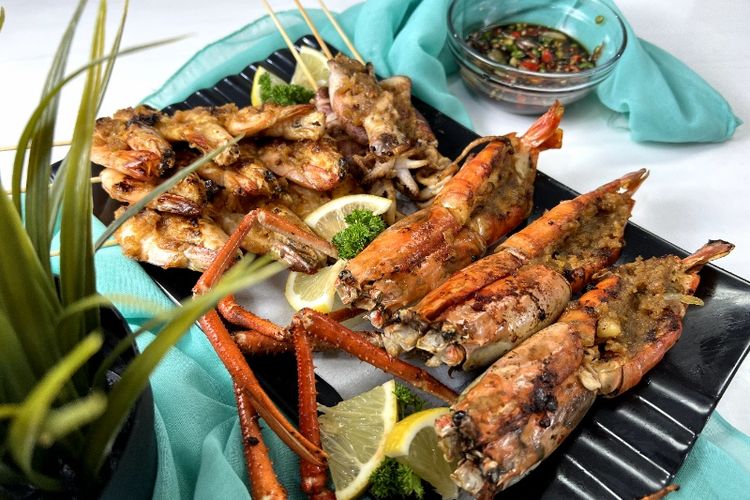
Let’s delve into specific seafood types. Grilled prawns are a crowd-pleaser. Marinate them in a blend of garlic, chili, lime, and a touch of paprika for color. Grill over medium-high heat for about 2-3 minutes per side until pink and slightly charred. Serve immediately with a lemon wedge.
Grilled squid, or calamari, requires careful timing. Clean the squid thoroughly and score the bodies in a diamond pattern to help them cook evenly and prevent curling. Marinate briefly in olive oil, garlic, lemon juice, and a pinch of red pepper flakes. Grill over high heat for only 1-2 minutes per side until opaque and slightly firm. Overcooking will make it rubbery.
Scallops are a delicacy that demands precision. Pat them thoroughly dry before grilling to ensure a good sear. A simple marinade of olive oil, salt, and pepper is often best. Grill over high heat for 1.5-2 minutes per side until golden brown and just opaque in the center. Don’t move them around too much while searing.
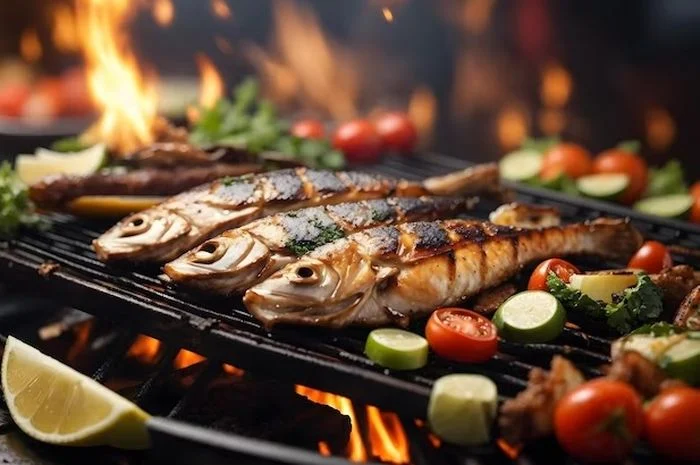
Firm fish like salmon or swordfish steaks are forgiving on the grill. Marinate them in a mixture of soy sauce, honey, garlic, and ginger. Grill over medium-high heat, about 4-6 minutes per side, depending on thickness, until cooked through but still moist. Use indirect heat to finish if needed for thicker cuts.
Mahi-mahi and snapper, being slightly less firm, can also be grilled successfully. A marinade with lime, cilantro, garlic, and a touch of cumin works well. Grill over medium-high heat, being mindful of cooking time to prevent them from breaking apart.
For those who love lobster, grilling is a fantastic way to enhance its sweet flavor. Halve or butterfly a lobster, brush with melted butter mixed with garlic and herbs, and grill cut-side down first over medium heat for a few minutes, then flip and finish until the meat is opaque.
Presentation is key in any Master Chef’s repertoire. Arrange your grilled seafood artfully on a platter. Consider serving it with complementary sides like grilled vegetables, a fresh salad, or a flavorful rice pilaf. The visual appeal should match the delicious taste.
Safety first: always ensure your grill is stable and away from flammable materials. Keep a spray bottle of water handy to douse any flare-ups. Use long-handled grilling tools to maintain a safe distance from the heat.
The ‘anti-gagal’ aspect truly comes down to preparation, attention to detail, and respecting the cooking times for each type of seafood. It’s about understanding the nuances of heat and texture.
Consider the role of smoke. For charcoal grills, adding a few soaked wood chips (like hickory or mesquite) can impart a wonderful smoky flavor to your seafood, elevating it to a gourmet level.
Don’t be afraid to experiment with different marinades and spice rubs. Think about regional influences – a Mediterranean marinade with olive oil, lemon, and oregano, or an Asian-inspired marinade with soy, ginger, and chili.
Investing in good quality seafood is paramount. Freshness is non-negotiable. If possible, source your seafood from a reputable fishmonger.
Cleanliness extends beyond the grill. Ensure your cutting boards and utensils are clean, especially when handling raw seafood, to prevent cross-contamination.
The ‘Master Chef’ element often lies in the finishing touches. A simple sauce, a vibrant garnish, or even the way it’s plated can make a significant difference.
Remember that thicker cuts of seafood might require a brief period of indirect heat after searing to ensure they are cooked through without burning the exterior. This is a classic technique for achieving perfect doneness.
For shellfish like oysters or mussels, grilling can open them up. Place them directly on the grill grate, and once they start to open, they are typically ready. Discard any that do not open.
When grilling fish whole, score the skin lightly. This helps the heat penetrate evenly and prevents the skin from blistering excessively.
The ‘anti-gagal’ promise is fulfilled through practice. The more you grill seafood, the more intuitive you’ll become with heat, timing, and recognizing doneness.
Finally, enjoy the process! Cooking should be a pleasure. Gather friends and family, fire up the grill, and savor the delicious fruits of your labor. Your ‘seafood bakar’ will undoubtedly impress.
To summarize, the ‘Cara Membuat Seafood Bakar Anti Gagal Ala Master Chef’ involves selecting the right seafood, crafting balanced marinades, preparing the grill meticulously, mastering heat control, avoiding overcooking, and adding thoughtful finishing touches. With these principles, you’re well on your way to grilling perfection.