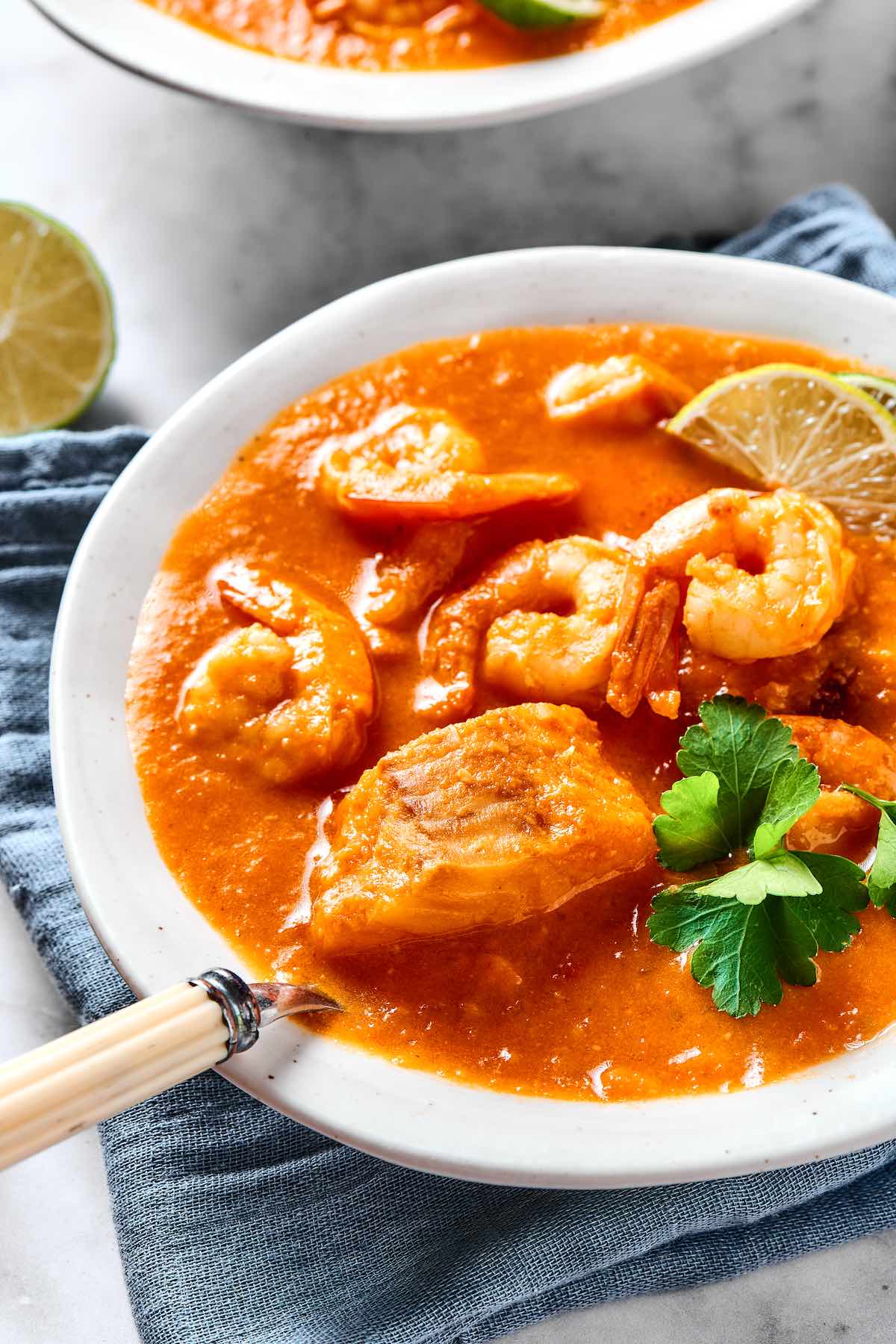
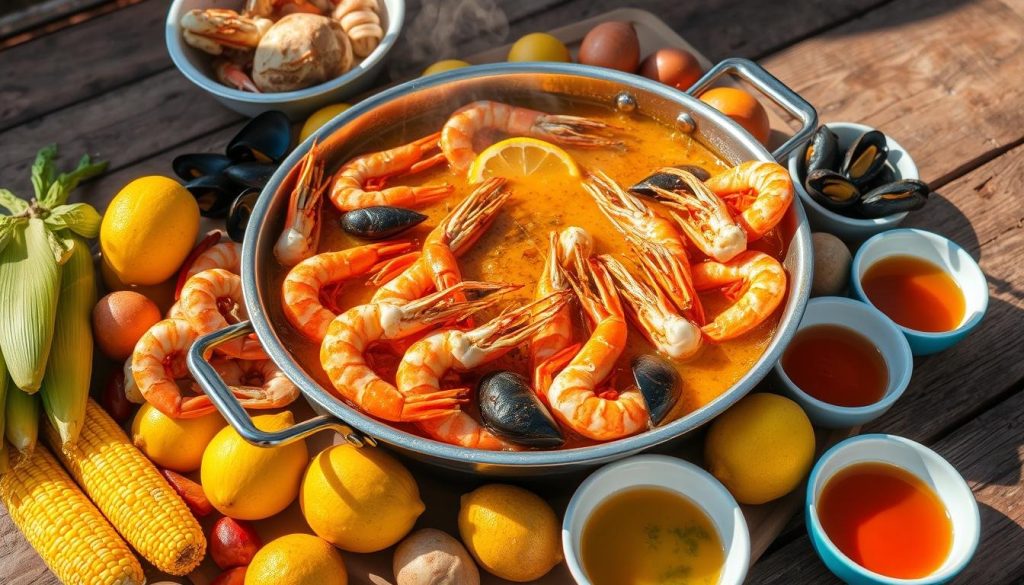

At its core, a great seafood sauce is about balance. It should harmonize with the natural flavors of the seafood without overpowering it. Think of the sauce as a supporting actor, enhancing the star performance of the fish, shrimp, scallops, or lobster. This delicate balance is achieved through careful selection of ingredients, precise cooking methods, and a keen understanding of how different flavors interact.
Before diving into specific recipes, let’s explore some fundamental principles that underpin successful seafood sauce creation. The quality of your ingredients is paramount. Fresh, high-quality seafood deserves equally fresh and vibrant accompaniments. Opt for good quality butter, fresh herbs, pungent aromatics like garlic and shallots, and well-balanced liquids such as white wine, fish stock, or cream.
Understanding flavor bases is crucial. Many classic sauces start with a ‘mirepoix’ (a combination of finely diced onion, carrot, and celery) or a ‘soffritto’ (similar, but often including garlic and cooked gently in olive oil). For seafood, a lighter base is often preferred, typically featuring shallots, garlic, and sometimes leeks, sautéed gently to release their aromas without browning.
The role of fat is also vital. Butter is a classic choice for seafood sauces, lending richness and a smooth texture. Clarified butter, or ghee, can be used to prevent burning. Olive oil is another excellent option, especially for lighter, Mediterranean-inspired sauces. Cream, whether heavy cream or half-and-half, adds luxurious body and mouthfeel, but should be used judiciously to avoid making the sauce too heavy.
Acidity is the unsung hero of many seafood sauces. A touch of acidity cuts through richness, brightens flavors, and prevents the sauce from tasting flat or cloying. Lemon juice is the most common partner for seafood, but other options include lime juice, white wine vinegar, or even a splash of dry white wine. The key is to add acidity at the right moment, often towards the end of the cooking process, to preserve its fresh, zesty character.
Herbs provide freshness and aromatic complexity. Delicate herbs like parsley, chives, dill, and tarragon are often favored for seafood as they don’t have an overpowering flavor. Sturdier herbs like thyme and rosemary can be used, but should be incorporated earlier in the cooking process to allow their flavors to meld.
Now, let’s explore some foundational sauce categories that can be adapted for a wide array of seafood dishes. One of the simplest yet most elegant is a pan sauce. This is created directly in the pan used to cook the seafood. After searing your fish or shrimp, remove them from the pan, deglaze with a liquid (like white wine or broth), and then build your sauce by whisking in butter, herbs, and a squeeze of lemon.
A classic white wine and butter sauce, often referred to as a ‘beurre blanc’ or a variation thereof, is a cornerstone of seafood cuisine. It’s made by reducing white wine and vinegar with finely minced shallots until almost dry, then emulsifying cold cubes of butter into the reduction off the heat. This creates a silky, emulsified sauce that is incredibly versatile.
For a richer, more decadent option, consider a cream-based sauce. Sauté aromatics like garlic and shallots, deglaze with white wine, then add heavy cream and simmer gently until thickened. Fresh herbs, a touch of lemon zest, and perhaps some capers or a pinch of nutmeg can elevate this simple base into something truly special.
Tomato-based sauces offer a different flavor profile, leaning towards the Mediterranean. A simple marinara, enriched with seafood stock and perhaps a splash of wine, can be a delightful accompaniment to firm white fish or mussels. For a brighter, more vibrant tomato sauce, consider using cherry tomatoes, sautéed with garlic and finished with fresh basil.
When creating your own seafood sauces, don’t be afraid to experiment. Taste and adjust seasoning frequently. Does it need more salt? A touch more acidity? Perhaps a whisper of sweetness from a pinch of sugar or a drizzle of honey? These micro-adjustments can make a significant difference.
Consider the texture of your seafood. Delicate white fish like sole or tilapia might benefit from lighter, brighter sauces, while heartier fish like salmon or tuna can stand up to richer, more robust flavors. Scallops and shrimp are often excellent with creamy or citrusy sauces.
Let’s delve into a practical example: a Lemon-Dill Sauce for Grilled Salmon. Start by grilling your salmon to perfection. While the salmon rests, use the same grill pan (if possible) or a clean saucepan. Sauté finely minced shallots in a little olive oil until softened. Deglaze with about 1/4 cup of dry white wine and let it reduce by half. Whisk in 2 tablespoons of unsalted butter, one cube at a time, off the heat until emulsified. Stir in 2 tablespoons of fresh lemon juice, 1 tablespoon of fresh chopped dill, salt, and freshly ground black pepper to taste. Pour generously over the grilled salmon.
Another popular choice is a Garlic Butter Shrimp Sauce. Sauté minced garlic in butter until fragrant. Add cooked shrimp and toss to coat. Deglaze with a splash of white wine or chicken broth. Stir in more butter, fresh parsley, and a squeeze of lemon juice. Serve immediately over pasta or rice.
For a more complex sauce, such as a classic Mornay sauce adapted for seafood, you would start with a Béchamel base (butter, flour, milk) and then enrich it with grated Gruyère or Parmesan cheese. This rich, cheesy sauce is excellent for gratins or baked seafood dishes.
When working with cream sauces, remember that dairy can curdle if boiled vigorously. Simmer gently to thicken and incorporate flavors. If you find your cream sauce is too thin, you can thicken it further by creating a ‘beurre manié’ (equal parts softened butter and flour kneaded together) and whisking small amounts into the simmering sauce until the desired consistency is reached.
Consider incorporating seafood stock or fish fumet into your sauces. This provides a deeper, more authentic seafood flavor base than water or plain chicken stock. You can make your own by simmering fish bones and heads with aromatic vegetables, or purchase good quality fish stock from specialty stores.
The use of aromatics is key to building depth of flavor. Beyond shallots and garlic, consider adding finely diced leeks, celery, or even a hint of ginger for an Asian-inspired twist. Sautéing these gently in oil or butter before adding liquids will release their essential oils and create a more complex flavor profile.
Don’t underestimate the power of finishing touches. A drizzle of high-quality olive oil, a sprinkle of toasted nuts or seeds, a scattering of fresh herbs, or a pinch of red pepper flakes can add visual appeal and an extra layer of flavor and texture.
For a vibrant green sauce, consider a pesto variation. Blend fresh basil or parsley with pine nuts (or walnuts), garlic, Parmesan cheese, and olive oil. A touch of lemon juice can brighten the flavors. This works wonderfully with grilled fish or shrimp pasta.
Think about regional influences. Italian seafood sauces often feature tomatoes, garlic, and herbs like parsley and oregano. French sauces can be rich and butter-based, or lighter and wine-infused. Asian-inspired sauces might incorporate soy sauce, ginger, garlic, chili, and lime.
When deglazing a pan, the liquid you use is important. White wine is classic for seafood, offering acidity and subtle flavor. Dry vermouth is another excellent option. For non-alcoholic versions, fish stock, clam juice, or even a splash of apple cider vinegar can be used.
The emulsification process for sauces like beurre blanc is critical. Ensure your butter is cold and cut into small cubes. Whisk constantly as you add the butter off the heat. If the sauce breaks (separates), you can often rescue it by whisking in a tablespoon of cold water or a little more cold butter off the heat.
For sauces that require simmering, such as tomato or cream-based sauces, allow enough time for the flavors to meld and develop. A gentle simmer will concentrate the flavors and achieve the desired consistency without sacrificing the freshness of the ingredients.
Consider the cooking method of your seafood. Pan-seared dishes lend themselves well to pan sauces made in the same skillet. Steamed or poached seafood might be better suited to a lighter, brighter sauce served alongside. Baked dishes can benefit from richer, more integrated sauces.
Experiment with different types of seafood. The sauce that pairs beautifully with delicate sea bass might not be the best match for a robust swordfish steak. Understanding the texture and flavor of your primary ingredient is key to selecting or creating the perfect sauce.
Finally, the presentation matters. A beautifully plated dish with a glistening sauce, garnished with fresh herbs or a twist of lemon, is more appealing. Don’t be afraid to spoon the sauce artfully around the seafood or drizzle it directly over the top.
By understanding these principles and practicing these techniques, you can move beyond basic recipes and start creating your own signature seafood sauces. The journey to restaurant-quality seafood sauces at home is one of exploration, tasting, and a little bit of culinary adventure. Enjoy the process and savor the delicious results!