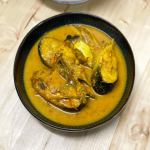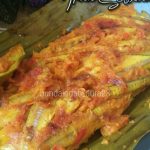


The preparation of tempoyak itself is an art form, requiring patience and an understanding of the fermentation process. Fresh durian flesh is packed into an airtight container and left to ferment for several days, or even weeks, depending on the desired level of tanginess and aroma. During this time, natural yeasts and bacteria break down the sugars in the durian, creating the characteristic sour and slightly alcoholic flavor profile.
Salted fish, particularly the Baung (Hemibagrus nemurus) catfish, plays a crucial role in elevating the tempoyak. Baung fish, known for its firm texture and rich, savory taste, is typically salted and dried, concentrating its umami qualities. When this intensely flavorful fish is incorporated into the fermented durian base, it creates a dynamic contrast and a harmonious blend of sweet, sour, salty, and savory notes.
The magic of Tempoyak Ikan Asin Baung lies in its versatility. It can be enjoyed in various ways, from a simple condiment to a key ingredient in more elaborate dishes. Understanding how to properly prepare and cook this dish is key to unlocking its full potential and appreciating its unique character.
One of the most fundamental aspects of preparing Tempoyak Ikan Asin Baung is selecting high-quality ingredients. For the tempoyak itself, ripe but not overly soft durian is ideal. The flesh should be firm enough to withstand the fermentation process without becoming mushy. The aroma should be distinct but not overwhelmingly ammoniac, indicating a healthy fermentation.
When it comes to the salted Baung fish, look for pieces that are evenly salted and have a firm, intact texture. Avoid fish that appears overly dry or brittle, as this might indicate it’s past its prime. The saltiness should be pronounced, as it will balance the inherent sweetness and sourness of the tempoyak.
Properly cleaning the salted fish is a crucial step. It’s often necessary to rinse the fish thoroughly under running water to remove excess salt. Some cooks prefer to soak the fish for a short period to further moderate the saltiness, depending on personal preference and the saltiness of the fish itself.
The ratio of tempoyak to salted fish is also a critical factor. A common starting point is a 1:1 ratio, but this can be adjusted based on how pronounced you want the durian flavor to be versus the savory fish notes. Experimentation is key to finding your perfect balance.
Cooking tempoyak dishes often involves stir-frying. A common method is to sauté aromatics like shallots, garlic, and chilies until fragrant, then add the tempoyak and salted fish. The mixture is cooked until the flavors meld and the tempoyak softens slightly, releasing its complex aroma.
The addition of fresh chilies, particularly bird’s eye chilies, is almost ubiquitous in tempoyak dishes. Their sharp heat cuts through the richness and adds a welcome kick. The amount of chili can be adjusted to suit your spice tolerance, ranging from a few slices for a mild warmth to a generous handful for a fiery experience.
Beyond simple stir-frying, Tempoyak Ikan Asin Baung can be incorporated into other dishes. It can be used as a flavorful stuffing for grilled fish, added to vegetable stir-fries for an umami boost, or even mixed into rice for a quick and flavorful meal.
For those new to tempoyak, it’s advisable to start with milder preparations. Perhaps begin by using it as a condiment alongside steamed rice and other side dishes, allowing you to acclimate to its unique flavor profile before diving into more complex recipes.
The fermentation process for tempoyak can be influenced by environmental factors. A warm, consistent temperature is ideal for optimal fermentation. Too cold, and the process may stall; too hot, and it could lead to undesirable spoilage.
Some cooks add a pinch of sugar or a small piece of dried shrimp during the fermentation process to add subtle layers of flavor. These additions are optional and depend on traditional family recipes and personal experimentation.
When stir-frying tempoyak, be mindful of the heat. Medium heat is generally recommended to allow the flavors to develop without burning the durian or the fish. Stir continuously to ensure even cooking and prevent sticking.
Adding a splash of water or a bit of cooking oil can help create a smoother consistency and prevent the dish from becoming too dry. This is particularly important if the salted fish tends to absorb a lot of moisture.
A common garnish for Tempoyak Ikan Asin Baung is fresh herbs, such as sliced scallions or cilantro, which add a burst of freshness and visual appeal. Toasted shallots or fried garlic can also provide a delightful textural contrast.
The aroma of tempoyak can be quite potent, and some individuals find it challenging. Cooking in a well-ventilated area is highly recommended. Opening windows or using an exhaust fan can help dissipate the strong smell.
Storage of prepared Tempoyak Ikan Asin Baung is also important. Once cooked, it should be stored in an airtight container in the refrigerator and consumed within a few days for optimal freshness and safety.
For those interested in making their own tempoyak from scratch, the process can be rewarding. It involves selecting ripe durian, removing seeds, and packing the flesh tightly into a clean, sterilized jar. The jar is then sealed and left in a cool, dark place for fermentation.
The time it takes for tempoyak to ferment varies. Typically, it takes about 3-7 days for a milder flavor, and up to 2-3 weeks for a more intense, sour taste. It’s advisable to check the tempoyak periodically, tasting it to gauge its progress.
The color of the tempoyak will change during fermentation, becoming more golden or brownish. The texture will also soften. A slightly fizzy sensation when tasted can indicate active fermentation.
When incorporating homemade tempoyak into your salted fish dish, ensure it has reached your desired level of sourness. If it’s too sour, you can balance it with a touch of sugar or honey. If it’s not sour enough, allow it to ferment for a longer period.
The choice of salted fish is not limited to Baung. While Baung offers a distinct flavor, other firm, oily salted fish like Ikan Kembung (mackerel scad) or Ikan Tongkol (tuna) can also be used, though they will impart a different character to the dish.
For a healthier twist, consider using air-fried or baked salted fish instead of traditionally fried. This can reduce the overall fat content while still retaining the essential savory flavor.
Some modern interpretations of Tempoyak Ikan Asin Baung include adding other complementary ingredients. For example, a handful of petai (stink beans) can add another layer of pungent flavor and texture that pairs surprisingly well with tempoyak.
Another variation involves adding coconut milk towards the end of the cooking process. This creates a richer, creamier sauce that softens the sharp flavors and adds a delightful richness, making it a more decadent dish.
The dish is often served with plain white rice, which acts as a perfect neutral canvas to appreciate the complex flavors of the tempoyak and salted fish. Steamed vegetables or a simple cucumber salad can provide a refreshing counterpoint.
The cultural significance of tempoyak cannot be overstated. It represents a way of preserving food in tropical climates and utilizing the abundant durian harvest. The shared experience of preparing and enjoying tempoyak often brings families and communities together.
For those who are sensitive to the strong aroma of durian, starting with a smaller amount of tempoyak in the recipe can be a good strategy. Gradually increasing the quantity as you become more accustomed to the flavor is a sensible approach.
The key to a successful Tempoyak Ikan Asin Baung dish is balance. The sourness of the tempoyak, the saltiness of the fish, the heat of the chilies, and the fragrance of the aromatics must all work in harmony.
Embrace the unique flavor profile. Tempoyak is not a dish for the faint of heart, but for those who appreciate bold, complex tastes, it offers an unparalleled culinary experience. It’s a testament to the ingenuity of traditional food preservation and preparation techniques.
Experiment with different types of chilies. Besides bird’s eye chilies, consider using red chilies for color and a milder heat, or even a touch of dried chili flakes for a different kind of spice.
Don’t be afraid to adjust the cooking time. Some prefer their tempoyak slightly ‘al dente’ with a bit of bite, while others like it cooked down until it’s softer and more integrated with the fish.
Consider the origin of your durian. Different durian varieties will yield tempoyak with slightly different flavor profiles. Musang King, D24, or Monthong can all contribute unique characteristics.
Finally, the enjoyment of Tempoyak Ikan Asin Baung is a journey. It’s about respecting tradition while being open to personal adaptation and discovery. Each preparation tells a story, a reflection of the cook’s skill and the ingredients’ inherent quality.
Mastering this dish is a rewarding culinary adventure. It allows you to connect with a rich cultural heritage and explore a world of unique and unforgettable flavors. So, gather your ingredients, embrace the process, and prepare to be delighted by the complex symphony of Tempoyak Ikan Asin Baung.