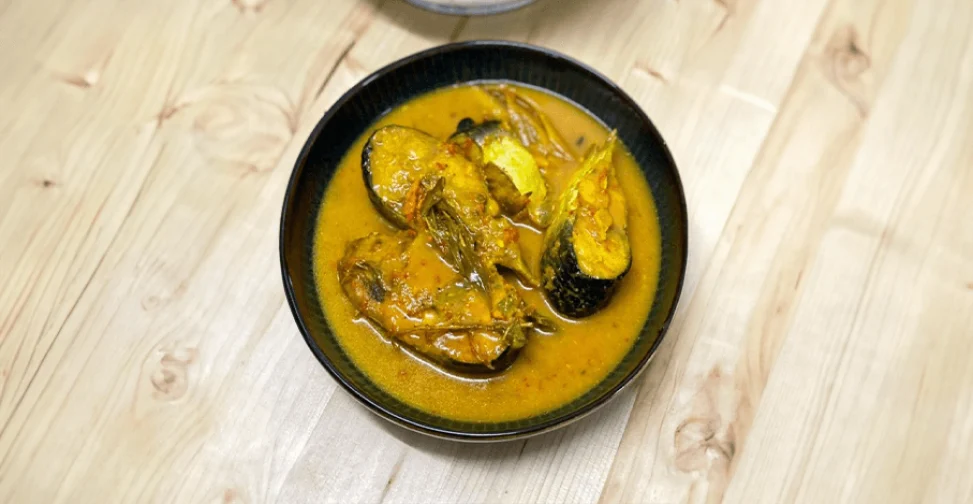

At its core, Tempoyak is a condiment or paste made from fermented durian. Durian, often hailed as the ‘King of Fruits’ in Southeast Asia, possesses a distinctive aroma that can be polarizing – loved by some, reviled by others. However, when fermented, its pungent smell mellows into a rich, savory, and slightly tangy flavor profile that is highly prized in various Indonesian and Malaysian cuisines.
The ‘Ikan Asin Hiu’ component refers to salted shark. Shark meat, when cured with salt, develops a firm texture and an intensely savory, umami-rich taste. The salting process not only preserves the meat but also transforms its flavor, making it a powerful ingredient in dishes where a strong, briny character is desired.
Combining these two potent ingredients – fermented durian and salted shark – creates a dish that is not for the faint of heart, but for those with an adventurous palate, it offers an unparalleled gastronomic experience. The saltiness and chewiness of the shark meat are beautifully complemented by the creamy, tangy, and subtly sweet undertones of the tempoyak.
The preparation of Tempoyak Ikan Asin Hiu is a labor of love, often passed down through generations. It involves several key steps, starting with the careful selection and preparation of the main ingredients.
Selecting the Durian: The quality of the durian is paramount. Ripe, sweet, and slightly overripe durians are preferred for fermentation. The flesh should be soft and creamy, with a strong, characteristic aroma. It’s crucial to remove all seeds before proceeding.
Fermenting the Durian: Once the durian flesh is extracted and seeded, it is placed in a clean, airtight container. Typically, no additional ingredients are added at this stage, as the natural enzymes in the durian initiate the fermentation process. The container is left at room temperature for several days, or even weeks, until the desired level of fermentation is achieved. The aroma will change significantly during this period, becoming more pungent and complex.
Preparing the Ikan Asin Hiu: Salted shark meat usually comes in dried, pre-salted pieces. It needs to be desalted to some extent before cooking, depending on the saltiness of the product. This can be done by soaking the shark meat in water for a few hours, changing the water periodically. Some recipes may call for boiling the shark meat briefly to further reduce the saltiness and tenderize it.
Cooking the Dish: The magic happens when the fermented durian (tempoyak) and the prepared salted shark are combined and cooked. This usually involves stir-frying the ingredients with a blend of aromatics and spices. Common additions include shallots, garlic, chili peppers, and sometimes turmeric or ginger, depending on regional variations.
Aromatic Base: A typical cooking process begins with sautéing finely chopped shallots and garlic in oil until fragrant. Then, sliced chilies (adjusting the quantity based on desired heat level) are added and stir-fried briefly.
Incorporating the Tempoyak: The fermented durian paste is then added to the pan. It’s important to stir-fry the tempoyak for a few minutes to cook out some of its raw pungency and to meld the flavors. This step helps to mellow the intensity of the fermented durian.
Adding the Ikan Asin Hiu: The desalted and prepared salted shark pieces are then introduced into the mixture. The ingredients are stirred well to ensure the shark meat is evenly coated with the tempoyak and spice mixture.
Simmering and Flavor Development: Water or a small amount of stock might be added to create a sauce-like consistency. The dish is then simmered gently, allowing the flavors to meld and the shark meat to become tender. The saltiness of the shark should be balanced by the tanginess and slight sweetness of the tempoyak.
Seasoning Adjustments: While the salted shark provides a significant amount of salt, tasting and adjusting the seasoning is crucial. A pinch of sugar might be added to balance the sourness and saltiness, or more chili for extra heat.
Regional Variations: It’s important to note that recipes for Tempoyak Ikan Asin Hiu can vary significantly from one region to another within Indonesia. Some might add shrimp paste (terasi) for an extra layer of umami, while others might incorporate tamarind for additional sourness or lemongrass for a citrusy note.
Serving Suggestions: Tempoyak Ikan Asin Hiu is typically served hot as a side dish, accompanying steamed white rice. The strong flavors of the dish make it a perfect counterpoint to plain rice, allowing the complexity of the tempoyak and shark to shine.
Cultural Significance: Tempoyak, in general, is a staple in the culinary traditions of Sumatra, particularly among the Malay, Minangkabau, and Palembang communities. It’s often considered a comfort food and a dish that evokes nostalgia. The use of specific ingredients like salted shark can further tie the dish to specific local traditions and the availability of resources.
The Aroma Factor: The distinct smell of fermented durian is a defining characteristic of tempoyak. While challenging for some, for those who appreciate it, the aroma is an integral part of the sensory experience, signaling the presence of a rich, complex, and authentic dish.
Health Aspects: Fermentation is a natural preservation process that can also enhance the nutritional value of foods. Fermented foods like tempoyak can contain probiotics, which are beneficial for gut health. However, the high salt content in salted shark should be consumed in moderation.
- Source Quality Ingredients: Use fresh, ripe durian for fermentation and good quality, not overly dried, salted shark.
- Manage Fermentation: Monitor the fermentation process closely. The duration can be adjusted based on personal preference for tanginess and aroma. A shorter fermentation yields a milder flavor, while a longer one intensifies it.
- Control Saltiness: Taste the salted shark after soaking to gauge its saltiness. Adjust soaking time accordingly. You might even consider using fresh shark meat and adding salt during cooking if pre-salted shark is too challenging to find or manage.
- Balance Flavors: This dish is all about balance. Taste as you cook and adjust the sweetness, saltiness, sourness, and spiciness to achieve your desired profile.
- Start Small: If you are new to tempoyak, start with a smaller batch or a less intense fermentation period.
The Art of Pairing: Beyond steamed rice, Tempoyak Ikan Asin Hiu can be an interesting accompaniment to other simple dishes. Its robust flavor can cut through the richness of fried items or provide a complex counterpoint to bland vegetables.
A Taste of Tradition: Preparing and enjoying dishes like Tempoyak Ikan Asin Hiu is more than just cooking; it’s an act of connecting with culinary heritage. It’s about understanding the ingenuity of past generations in preserving and transforming local ingredients into something extraordinary.
Exploring Other Tempoyak Dishes: While Tempoyak Ikan Asin Hiu is a specific preparation, tempoyak itself is incredibly versatile. It can be found in curries, stir-fries with anchovies (ikan bilis), or even as a simple condiment served alongside grilled fish or chicken.
The Durian Dilemma: For those who are not accustomed to durian, the prospect of fermenting it might seem daunting. However, the fermentation process transforms the fruit, creating a flavor profile that is distinct from fresh durian. It’s a journey worth undertaking for the adventurous foodie.
Shark as an Ingredient: The use of shark meat in cuisine is common in many coastal communities. Its firm texture and ability to absorb flavors make it a popular choice. When salted, it becomes a long-lasting ingredient that adds a powerful umami punch.
The Umami Bomb: The combination of fermented durian and salted shark creates an explosion of umami. This savory fifth taste is what makes the dish so addictive and satisfying for those who appreciate its unique character.
A Culinary Challenge: For many outside of its traditional regions, this dish might represent a culinary challenge. It pushes the boundaries of familiar tastes and aromas, offering an experience that is both educational and delicious.
Preservation Techniques: The traditional methods of fermentation and salting highlight the resourcefulness of Indonesian culinary traditions. These techniques allowed communities to preserve food and create diverse flavors from limited ingredients.
The Palate’s Journey: Trying Tempoyak Ikan Asin Hiu is a journey for the palate. It starts with the initial pungent aroma, followed by the complex interplay of salty, sour, sweet, and spicy notes, culminating in a lingering savory finish. It’s an experience that engages all senses.
In conclusion, ‘Resep Tempoyak Ikan Asin Hiu’ is a testament to the rich and varied culinary heritage of Indonesia. It is a dish that celebrates bold flavors, traditional preservation techniques, and the unique ingredients that define regional cuisines. While it may seem exotic, approaching it with an open mind and a willingness to explore can lead to a truly unforgettable gastronomic discovery. So, gather your ingredients, embrace the process, and embark on your own culinary adventure with this remarkable fermented delicacy.