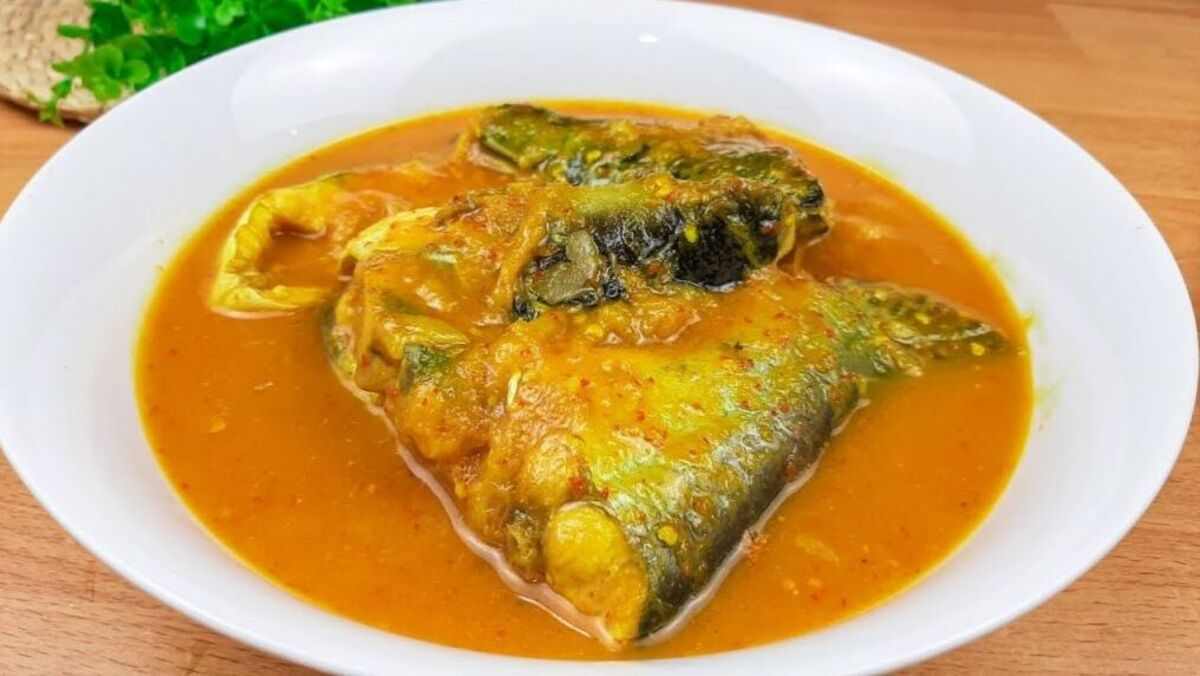


This culinary creation is more than just a meal; it’s an experience. The unique fermentation process transforms the durian into a tangy, umami-rich paste that forms the soul of the dish. This paste, when stir-fried with salted Mujair and a vibrant medley of chilies, shallots, garlic, and other traditional spices, creates a flavor profile that is simultaneously spicy, sour, savory, and subtly sweet. It’s a taste that lingers, inviting you back for more.
The preparation of Tempoyak Ikan Asin Mujair is a journey that rewards patience and passion. While the fermentation of durian might seem daunting, the process is relatively straightforward, yielding a remarkable ingredient that elevates simple fish into an extraordinary dish. This article will guide you through each step, from selecting the freshest ingredients to mastering the art of balancing flavors, ensuring you can recreate this authentic Indonesian delight in your own kitchen.
Next, we have Ikan Asin Mujair, or salted tilapia. Mujair is a freshwater fish that is widely available and relatively inexpensive, making it a popular choice for everyday Indonesian cooking. When salted and dried, it develops a robust, savory flavor and a firm texture that holds up beautifully during the cooking process. The saltiness of the fish acts as a perfect counterpoint to the tanginess of the tempoyak.
The supporting cast of ingredients includes a vibrant array of aromatic spices. This typically involves a generous amount of fresh chilies (both red and green, for heat and color), shallots (for their sweet and pungent notes), garlic (for its savory depth), and often a touch of turmeric for color and earthiness. Lemongrass, galangal, and kaffir lime leaves might also be incorporated to add layers of fragrance and complexity.
The cooking process itself is usually a stir-fry. The salted fish is often pre-treated, perhaps by soaking to reduce excess saltiness, and then fried until lightly crispy. The tempoyak paste is then added, along with the sautéed spice mixture. The ingredients are cooked together, allowing the flavors to meld and deepen. The goal is to achieve a harmonious balance where no single flavor overpowers the others.
- 1 kg fresh Mujair fish, cleaned and cut into pieces
- Salt (for salting the fish, if not using pre-salted)
- Approx. 200-300g ripe durian flesh (for making tempoyak)
- 15-20 red chilies (adjust to your spice preference)
- 5-7 green chilies (for color and milder heat)
- 10-15 shallots
- 5-7 cloves garlic
- 1-2 cm turmeric (optional, for color)
- 1 stalk lemongrass, bruised
- 2-3 kaffir lime leaves (optional)
- 1-2 cm galangal, bruised (optional)
- Cooking oil
- Salt and sugar to taste (use sparingly, as fish is already salty)
Preparing the Tempoyak: The foundation of this dish is the tempoyak. If you are making it from scratch, take ripe durian flesh, mash it thoroughly until smooth, and place it in a clean, airtight container. Let it ferment at room temperature for 3-7 days. You will notice a tangy aroma developing. Taste it periodically to gauge the desired sourness. Once ready, it should have a thick, paste-like consistency.
Preparing the Salted Fish: If you are using fresh Mujair, you will need to salt it. Clean the fish, pat it dry, and rub it generously with salt. Let it sit for a few hours or overnight in the refrigerator. Rinse off excess salt before cooking. Alternatively, you can purchase pre-salted Mujair. If the pre-salted fish is too salty, you can soak it in water for about 30 minutes to an hour, changing the water once or twice.
Preparing the Spice Paste: While the fish is salting or soaking, prepare the spice paste. Roughly chop the chilies, shallots, garlic, and turmeric (if using). You can either blend these ingredients into a coarse paste using a food processor or blender, or finely mince them by hand for a more rustic texture. The choice depends on your preference.
Cooking the Dish: Heat a generous amount of cooking oil in a wok or large skillet over medium-high heat. Fry the salted Mujair pieces until they are golden brown and slightly crispy on both sides. Remove the fish from the wok and set aside, leaving some of the oil in the wok.
Add the prepared spice paste to the hot oil. Sauté the paste, stirring constantly, until it becomes fragrant and the raw smell disappears. This usually takes about 5-7 minutes. Add the bruised lemongrass, galangal, and kaffir lime leaves, and continue to stir-fry for another minute until their aromas are released.
Now, add the tempoyak paste to the wok. Stir well to combine it with the spice mixture. Cook for a few minutes, allowing the tempoyak to heat through and its flavors to meld with the spices. You might notice the aroma intensifying at this stage.
Return the fried Mujair pieces to the wok. Gently toss them with the tempoyak and spice mixture, ensuring each piece is well-coated. Cook for another 5-10 minutes, allowing the fish to absorb the flavors and the sauce to thicken slightly. Be careful not to overcook the fish, as it can become dry.
Taste the dish and adjust seasoning if necessary. Remember that the salted fish already contributes saltiness, so add salt very sparingly, if at all. A pinch of sugar can help to balance the sourness of the tempoyak and the spiciness of the chilies.
Once the flavors have melded and the dish has reached your desired consistency, it is ready to be served. The resulting Tempoyak Ikan Asin Mujair should be a vibrant, aromatic, and deeply flavorful dish.
Serving Suggestions: Tempoyak Ikan Asin Mujair is best enjoyed hot, served with generous portions of steamed white rice. The fluffy, neutral rice acts as the perfect canvas to absorb the intense flavors of the dish. Some people also enjoy it with a side of fresh cucumber slices or other raw vegetables to provide a refreshing contrast.
Variations and Tips: While this recipe focuses on Mujair, you can experiment with other types of salted fish, such as ikan kembung (mackerel) or ikan pari (stingray), though the cooking times might vary. The intensity of the tempoyak flavor can be adjusted by the fermentation period. If you prefer a milder tang, ferment for fewer days; for a stronger sourness, ferment longer.
For those sensitive to spice, you can reduce the number of red chilies or remove the seeds before blending. Conversely, if you love heat, feel free to add more or include bird’s eye chilies for an extra kick. The addition of galangal and kaffir lime leaves is optional but highly recommended for adding aromatic depth.
If you don’t have fresh durian, you might be able to find pre-made tempoyak paste in some Asian markets, although the flavor might differ slightly from homemade. Always ensure the tempoyak you use is properly fermented and has a pleasant sour aroma, not an off-putting smell.
The texture of the final dish is also a matter of preference. Some prefer the fish to be slightly crispy, while others enjoy it softer. Adjust the frying time of the fish accordingly. Similarly, the consistency of the sauce can be modified by adding a splash of water if it becomes too dry during cooking, or by cooking it down further if it’s too liquid.
Cultural Significance: Tempoyak is a dish deeply rooted in the culinary traditions of Sumatra, particularly among the Malay and Palembang communities. It represents a resourceful use of seasonal fruits and a method of preserving food through fermentation. The combination with salted fish is a common and beloved pairing, showcasing the harmony between different preservation techniques and flavor profiles.
The act of preparing and sharing Tempoyak Ikan Asin Mujair is often a communal affair, passed down through generations. It embodies a connection to heritage and a celebration of the unique flavors that Indonesian cuisine has to offer. Its distinctive taste is not for the faint of heart, but for those who appreciate bold, complex, and truly authentic culinary experiences.
In conclusion, mastering the art of Resep Tempoyak Ikan Asin Mujair is a rewarding endeavor for any adventurous home cook. It’s a dish that challenges the palate, delights the senses, and offers a profound glimpse into the rich tapestry of Indonesian culinary heritage. So, gather your ingredients, embrace the unique flavors, and embark on a delicious journey with this unforgettable fermented fish delicacy.