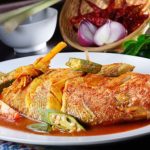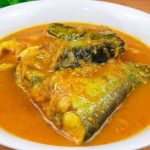
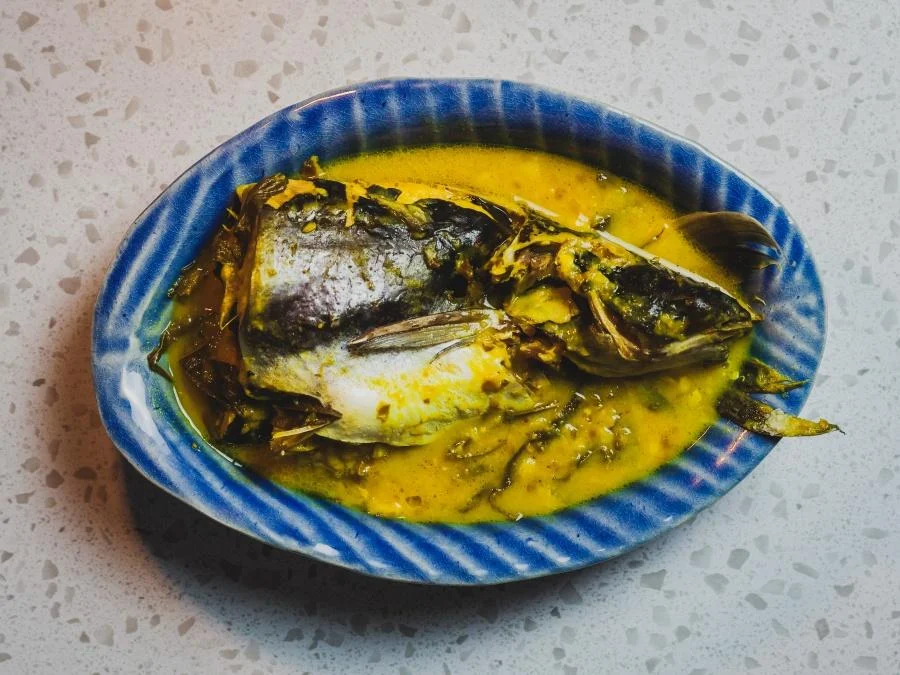

The magic of Masin Tempoyak lies in the symbiotic relationship between its key components. The fermented durian, with its creamy texture and potent umami, provides a foundation of fermented funk and a hint of sweetness. The salted fish, often a firm, flaky variety like mackerel or threadfin, introduces a salty counterpoint and a robust, oceanic flavor. Together, they create a symphony of tastes and aromas that is both challenging and immensely rewarding.
Before embarking on the cooking process, understanding the ingredients is paramount. The quality of your tempoyak and salted fish will significantly influence the final outcome. For tempoyak, it’s best to use homemade or high-quality store-bought paste. Look for one that has undergone a proper fermentation process, typically several days to a week, resulting in a smooth, slightly sour, and intensely fragrant paste. Avoid any tempoyak that smells overly ammoniated or shows signs of spoilage.
Regarding the salted fish, the type and saltiness are crucial. Common choices include ikan masin talang (mackerel), ikan masin gelama (croaker), or ikan masin kurau (threadfin). The saltiness can vary greatly, so it’s advisable to taste a small piece before adding it to your dish. If it’s excessively salty, you might need to soak it in water for a short period to reduce the salt content. The texture should be firm, indicating it has been well-cured.
Beyond the stars of the show, other essential aromatics elevate the dish. Shallots, garlic, and chilies form the flavor base. Fresh red chilies provide heat and a vibrant color, while bird’s eye chilies (cili padi) can be added for an extra fiery kick. Some recipes also incorporate turmeric for its earthy notes and color, and lemongrass for a subtle citrusy aroma.
The cooking method for Masin Tempoyak typically involves stir-frying. The process begins with preparing the aromatics. Shallots and garlic are usually minced or thinly sliced, while chilies are often pounded into a rough paste or finely chopped, depending on the desired texture and heat distribution.
The salted fish needs to be prepared as well. It is often cut into bite-sized pieces and sometimes lightly fried until golden brown and slightly crispy. This step not only enhances its texture but also mellows its intense saltiness, making it more palatable within the dish.
Once the aromatics are sautéed until fragrant, the tempoyak paste is introduced. This is where the distinctive aroma truly begins to fill the kitchen. It’s important to cook the tempoyak thoroughly, stirring continuously, to deepen its flavor and reduce any raw fermentation notes. This sautéing process also helps to thicken the paste.
The cooked salted fish is then added to the pan, along with the chilies and any other spices like turmeric or ground pepper. The mixture is stir-fried together, allowing the flavors to meld and the saltiness of the fish to infuse into the tempoyak paste.
Water or a small amount of stock might be added to achieve the desired consistency. The dish should not be too watery, but rather a thick, rich paste that coats the rice beautifully. Simmering allows the flavors to further develop and marry.
A common variation involves adding fresh anchovies (ikan bilis) alongside or instead of the salted fish. These add another layer of savory complexity and a different texture. Some cooks also prefer to use fresh fish, such as mackerel or catfish, which are then cooked directly in the tempoyak sauce.
Another popular addition is the use of petai (stink beans). When cooked, petai adds a unique, slightly bitter, and nutty flavor that complements the tempoyak and salted fish wonderfully. The combination of tempoyak, salted fish, and petai is a beloved classic.
For those who enjoy a richer, creamier texture, a small amount of coconut milk can be incorporated towards the end of the cooking process. This adds a subtle sweetness and a luxurious mouthfeel, balancing the pungent flavors of the durian and the saltiness of the fish.
Sweetness is often adjusted with a touch of sugar, typically palm sugar or regular granulated sugar. This is crucial for balancing the sourness of the tempoyak and the saltiness of the fish, creating a harmonious flavor profile. Taste and adjust as you go.
The cooking time for Masin Tempoyak can vary. Generally, it takes about 20-30 minutes of active cooking. The key is to ensure that the tempoyak is cooked through and the flavors have melded properly. Overcooking can sometimes lead to a burnt taste, so vigilance is important.
Serving Masin Tempoyak is an experience in itself. It is traditionally served hot with plain white rice. The simple rice acts as a perfect canvas, allowing the complex flavors of the Masin Tempoyak to shine. A small portion is usually sufficient, as the flavor is quite intense.
Accompanying dishes often include fresh raw vegetables such as cucumber, long beans, or ulam (traditional Malaysian herbs). These provide a refreshing crunch and a cooling contrast to the heat and richness of the Masin Tempoyak.
A simple fried egg, either sunny-side up or over easy, can also be a delightful addition to the meal. The runny yolk can mix with the Masin Tempoyak and rice, adding another layer of richness.
The cultural significance of tempoyak extends beyond just a condiment or dish. It is deeply rooted in the culinary heritage of the Malay community, particularly in states like Pahang and Negeri Sembilan, where it is a staple. It represents resourcefulness, utilizing the abundant durian fruit and preserving it through fermentation.
The preparation of homemade tempoyak itself is often a communal activity, passed down through generations. The specific techniques and fermentation times can vary from family to family, each guarding their own subtle variations.
Masin Tempoyak is not just food; it’s a taste of home for many Malaysians. Its distinctive aroma and flavor evoke memories of family gatherings, kampung (village) life, and the simple joys of sharing a meal.
While the traditional method is highly recommended for an authentic experience, modern adaptations exist. Some chefs experiment with different types of fish, such as salmon or cod, to offer a milder alternative. However, the classic combination with ikan masin remains the most cherished.
For those new to tempoyak, it is advisable to start with a small amount of Masin Tempoyak. The initial pungency can be overwhelming for the uninitiated. Gradually increasing the portion size as your palate adjusts is a good strategy.
Storage of tempoyak is also important. Properly fermented and stored tempoyak can last for several weeks in the refrigerator. Once cooked into Masin Tempoyak, it should be consumed within a few days and stored in an airtight container in the refrigerator.
The art of cooking Masin Tempoyak lies in balancing the intense flavors. It requires a keen understanding of how the sourness of the tempoyak, the saltiness of the fish, the heat of the chilies, and the touch of sweetness interact.
Patience is a virtue when cooking this dish. Allowing the ingredients to cook down and meld together properly is key to achieving a deep, complex flavor profile. Rushing the process will result in a dish that lacks depth.
Experimentation is encouraged, but with respect for the core ingredients. If you’re not a fan of extreme heat, reduce the amount of chilies. If the tempoyak is too strong for your liking, you can try using less of it or pairing it with milder accompaniments.
Ultimately, Masin Tempoyak is a dish that celebrates bold flavors and traditional culinary practices. It’s a testament to the ingenuity of Malaysian cuisine, transforming humble ingredients into a dish that is both comforting and exhilarating.
Whether you are a seasoned fan or a curious newcomer, exploring Masin Tempoyak offers a delicious window into the vibrant and diverse culinary landscape of Malaysia. Embrace the adventure, savor the flavors, and enjoy this unique taste of the tropics.