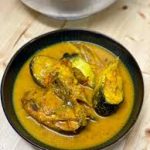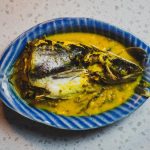
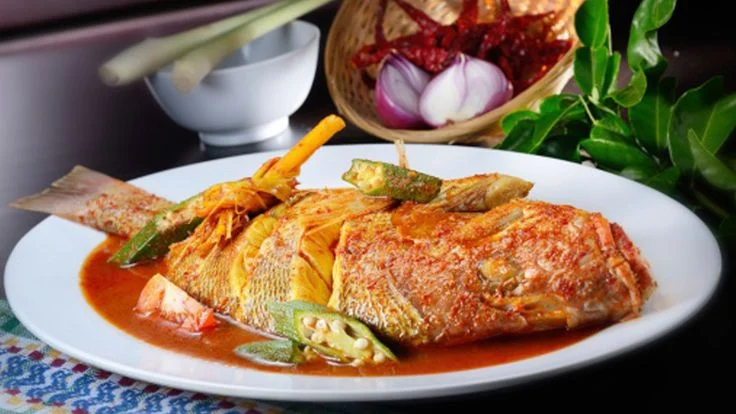

The heart of this dish lies in its three primary components: tempoyak, ikan asin (salted fish), and ikan kakap (red snapper). Each element plays a crucial role in creating the complex flavor profile. Tempoyak, made from ripe durian that has been fermented for several days, offers a distinctive sweet, sour, and umami punch. Ikan asin, typically dried and salted anchovies or other small fish, provides a salty, intensely savory base. Ikan kakap, a firm-fleshed white fish, adds substance and a delicate sweetness that balances the stronger flavors of the tempoyak and ikan asin.
Understanding the quality of your ingredients is paramount to achieving an authentic and delicious Tempoyak Ikan Asin Kakap. For the tempoyak, freshness is key. While fermentation is part of the process, overly fermented or spoiled tempoyak can result in an unpleasant, ammonia-like taste. Look for tempoyak that has a pleasant, slightly tangy aroma without being overpowering. The texture should be somewhat paste-like, not too watery or too dry.
When selecting ikan asin, variety can add depth. While anchovies (ikan bilis) are common, other types of salted fish can also be used. The saltiness can vary significantly between types, so it’s important to taste a small piece before cooking to gauge its salt content and adjust seasoning accordingly. Ensure the salted fish is clean and free from any off-putting smells, which can indicate spoilage.
Ikan kakap, or red snapper, is often chosen for its firm, white flesh that holds up well during the cooking process. It offers a mild, slightly sweet flavor that complements the other ingredients without being overshadowed. When purchasing, look for fish with clear eyes, bright red gills, and firm flesh that springs back when pressed. If using frozen red snapper, ensure it has been properly thawed before cooking.
The preparation of Tempoyak Ikan Asin Kakap typically involves several distinct stages, each contributing to the final dish’s complexity. The first step often involves preparing the salted fish, which might require rinsing to remove excess salt or even a brief soak, depending on its saltiness. The red snapper is usually cut into manageable pieces, often with bones to enhance flavor during cooking.
The tempoyak itself may also require a bit of preparation. Some recipes call for rinsing the tempoyak lightly to reduce its pungency, while others use it directly. Sautéing the tempoyak with aromatics like shallots, garlic, and chili is a common technique to mellow its fermented notes and build a flavorful base. This step is crucial for integrating the tempoyak into the overall dish.
Aromatics form the backbone of many Malaysian dishes, and Tempoyak Ikan Asin Kakap is no exception. Finely sliced shallots and garlic are typically sautéed until fragrant, releasing their sweet and pungent aromas. Fresh chilies, either bird’s eye chilies for a fiery kick or larger red chilies for milder heat and color, are essential for adding a spicy dimension.
The cooking process usually begins with sautéing the aromatics. Once fragrant, the tempoyak is added and cooked down, often with a little water or tamarind juice to achieve the desired consistency and a balanced sourness. This is where the magic happens, transforming the fermented durian into a rich, flavorful paste.
Next, the salted fish is introduced. It’s typically fried or sautéed until slightly crisp, enhancing its savory notes and adding a textural contrast. The salted fish is then often added to the tempoyak mixture, allowing its flavors to meld together. Some cooks prefer to add the salted fish later in the cooking process to retain some of its crispness.
The red snapper pieces are then carefully added to the simmering tempoyak and salted fish mixture. The fish is cooked gently until it is just done, flaking easily with a fork but still moist. Overcooking the fish will result in a dry, unappetizing texture, so timing is critical.
Seasoning is a delicate art in this dish. While the salted fish provides significant saltiness, the tempoyak brings its own unique sour and umami notes. Additional seasoning might include a touch of sugar to balance the sourness and saltiness, and perhaps a dash of fish sauce or soy sauce for added depth, though this is less common due to the inherent saltiness.
Garnishes play a vital role in enhancing both the visual appeal and the flavor of Tempoyak Ikan Asin Kakap. Fresh herbs like thinly sliced red chilies, spring onions, or even a sprinkle of fresh cilantro can add a burst of freshness and color. Some variations might include a squeeze of lime juice just before serving to brighten the flavors.
Serving Tempoyak Ikan Asin Kakap is typically done piping hot. It is traditionally enjoyed with steamed white rice, which acts as a perfect neutral canvas to absorb the intense flavors of the dish. The rice also provides a comforting counterpoint to the dish’s bold profile.
The culinary journey doesn’t end with the basic recipe. Variations abound, reflecting the diverse culinary landscape of Malaysia. Some cooks might add a splash of coconut milk for a richer, creamier texture, while others might incorporate other types of seafood or vegetables. The addition of belacan (shrimp paste) can further intensify the umami notes, creating an even more potent flavor.
For those seeking a spicier rendition, an increased amount of bird’s eye chilies or the addition of dried chili paste can elevate the heat level. Conversely, for those sensitive to spice, the chili can be reduced or substituted with milder varieties. The beauty of this dish lies in its adaptability to individual preferences.
The aroma of Tempoyak Ikan Asin Kakap is as iconic as its taste. The pungent scent of fermented durian mingles with the savory notes of salted fish and the subtle sweetness of the snapper, creating an olfactory experience that is both challenging and enticing. It’s a scent that signals a truly authentic Malaysian meal.
The texture is equally complex. You’ll encounter the tender, flaky fish, the slightly chewy or firm pieces of salted fish, and the smooth, rich paste of the tempoyak. This interplay of textures adds another layer of enjoyment to every bite.
Pairing Tempoyak Ikan Asin Kakap with the right accompaniments is key. Beyond steamed rice, a simple side salad of cucumber and pineapple can offer a refreshing contrast. Pickled chilies or a side of sambal kicap (chili soy sauce) can provide additional layers of flavor and spice for those who desire them.
The history of tempoyak itself is deeply rooted in the Malay Peninsula, particularly in regions where durian is abundant. Fermentation was historically a method of food preservation, and durian, with its robust flavor and texture, lent itself well to this process. Over time, it evolved from a preservation technique into a culinary ingredient prized for its unique taste.
Ikan asin, or salted fish, also has a long history in Southeast Asian cuisines, serving as a vital source of protein and flavor in areas where fresh fish was not always readily available or affordable. Its intense saltiness and umami make it a powerful flavor enhancer.
The combination of tempoyak and ikan asin is a testament to the ingenuity of Malaysian cooks, who have mastered the art of balancing strong, often challenging flavors to create harmonious and deeply satisfying dishes. The addition of fish like snapper elevates it from a simple condiment to a complete, hearty meal.
For those attempting to make tempoyak from scratch, it involves selecting ripe durian, removing the seeds, and packing the flesh tightly into a clean jar or container. It is then left to ferment in a cool, dark place for three to five days, or even longer, depending on the desired level of sourness and pungency. Regular tasting is recommended to monitor the fermentation process.
However, for convenience, pre-made tempoyak is readily available in many Asian supermarkets, especially in Southeast Asia. When purchasing, look for reputable brands and check the expiration date. It’s advisable to taste a small amount of store-bought tempoyak first to understand its flavor profile before incorporating it into your cooking.
When cooking, consider the heat level. The combination of tempoyak and chilies can be quite fiery. If you prefer a milder dish, reduce the number of chilies used or opt for milder varieties. You can also add a touch of sweetness, such as a teaspoon of sugar or palm sugar, to counteract the sourness and spiciness.
The cooking time for the red snapper is crucial. It should be cooked until just opaque and flaky. Overcooked fish will lose its moisture and texture, detracting from the overall dish. Ensure the pieces are relatively uniform in size for even cooking.
A common mistake when preparing this dish is not properly sautéing the tempoyak. Sautéing helps to mellow the fermented flavor and release its aroma, creating a richer base. Don’t rush this step; allow the tempoyak to cook down and thicken slightly.
Another point to consider is the saltiness of the ikan asin. If you are using a particularly salty variety, you might want to rinse it thoroughly or soak it in water for a short period before frying. This will help to prevent the final dish from being overly salty.
The dish is best enjoyed fresh, as the flavors continue to develop and can become overpowering if left to sit for too long. However, leftovers can be stored in an airtight container in the refrigerator for a day or two, though the texture and flavor may change slightly.
Exploring the nuances of Tempoyak Ikan Asin Kakap offers a deep dive into the heart of Malaysian cuisine. It’s a dish that challenges perceptions, rewards adventurous palates, and provides an unforgettable culinary experience. Whether you’re a seasoned cook or a novice explorer of exotic flavors, mastering this dish is a journey worth embarking on.