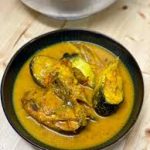
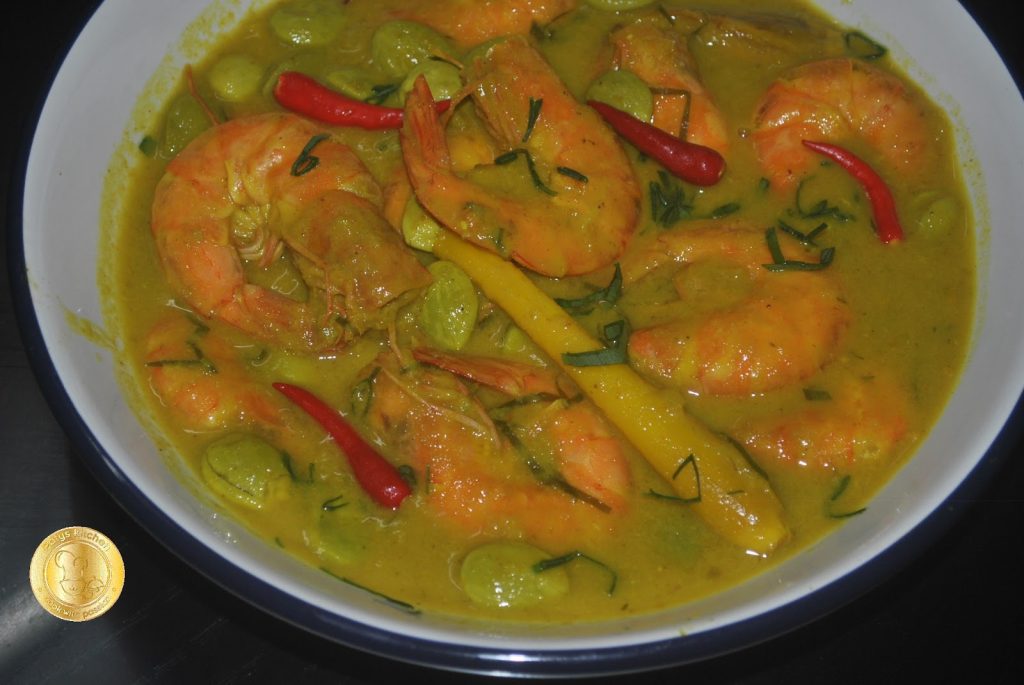

The preparation of Tempoyak Ikan Asin Udang is more than just a recipe; it’s an immersion into a rich culinary heritage. This dish requires a nuanced understanding of ingredient interactions and a willingness to embrace bold flavors. Whether you’re a seasoned cook or a curious novice, mastering this dish can be an incredibly rewarding experience.
At its core, tempoyak is derived from ripe durian flesh that undergoes a fermentation process, typically lasting from a few days to several weeks. The natural sugars in the durian break down, creating a paste with a distinctively sour and slightly alcoholic taste. The quality of the durian used is paramount; a ripe, sweet durian will yield a more pleasant and less overpowering tempoyak.
When selecting tempoyak for your recipe, look for a paste that has a creamy texture and a vibrant yellow or orangey hue. The smell should be strong but not overwhelmingly ammoniac. If you’re making it from scratch, ensure your durian is at its peak ripeness. Remove the seeds carefully and mash the flesh until it forms a smooth paste. Ferment it in a clean, airtight container in a cool, dark place for at least 3-7 days, tasting periodically until the desired tanginess is achieved.
The ikan asin, or salted fish, provides the crucial salty and umami backbone to the dish. Various types of salted fish can be used, each contributing a different texture and flavor. Ikan sepat (gourami) and ikan gabus (snakehead fish) are common choices, offering a firm texture and robust flavor. The key is to choose good quality salted fish that isn’t excessively dry or brittle.
Before incorporating the ikan asin into the tempoyak mixture, it’s essential to prepare it properly. This usually involves rinsing the fish under running water to remove excess salt and then soaking it in warm water for a period to soften it slightly. Some recipes call for frying the salted fish until golden brown and crisp, which adds another layer of texture and intensifies its flavor. Others prefer to steam or boil it, resulting in a softer, more integrated texture within the tempoyak.
Udang, or shrimp, introduces a delicate sweetness and a tender, succulent texture to the dish. Fresh, medium-sized shrimp are generally preferred. They should be peeled and deveined before being added to the mixture. The natural sweetness of the shrimp complements the sourness of the tempoyak and the saltiness of the fish, creating a well-balanced flavor profile.
The magic of Tempoyak Ikan Asin Udang lies in the harmonious blend of these three primary ingredients. The process typically begins by sautéing aromatics such as shallots, garlic, and chilies until fragrant. This forms the flavor base upon which the other ingredients will build.
Once the aromatics are softened and fragrant, the prepared tempoyak is added to the pan. It’s crucial to cook the tempoyak for a few minutes, stirring continuously, to mellow its sharpness and develop its complex flavors. This step also helps to reduce any lingering alcoholic notes from the fermentation process.
Next, the pre-treated ikan asin is introduced. If you’ve fried your salted fish, you might crumble it into the mixture or add it in larger pieces, depending on your preference for texture. Stir well to ensure the salty fish is evenly distributed throughout the tempoyak base.
The shrimp are typically added towards the end of the cooking process. Shrimp cook very quickly, and overcooking them will result in a tough, rubbery texture. Adding them in the final few minutes allows them to cook through while retaining their succulence and sweet flavor.
Seasoning is a critical aspect, though often minimal due to the inherent saltiness of the ikan asin and the tanginess of the tempoyak. A pinch of sugar might be added to balance the sour and salty notes. Some cooks also add a touch of water or coconut milk to achieve the desired consistency.
The cooking process should result in a dish where the tempoyak has melded with the salted fish and shrimp, creating a rich, pungent, and deeply savory paste. The aroma should be a complex blend of durian, sea salt, and spices.
Serving Tempoyak Ikan Asin Udang is traditionally done with steamed white rice. The plainness of the rice is essential to allow the bold flavors of the tempoyak mixture to shine. It acts as a perfect canvas for the dish.
Beyond the classic preparation, there are numerous ways to innovate and enhance your Tempoyak Ikan Asin Udang. Consider adding other complementary ingredients. For instance, thinly sliced red onions or kaffir lime leaves can provide a fresh, aromatic counterpoint.
For those who enjoy a spicier kick, incorporating more fresh chilies or dried chili flakes during the sautéing phase will elevate the heat level. Alternatively, a drizzle of chili oil just before serving can add both heat and a glossy finish.
Texture can also be manipulated. Some variations include adding crispy fried shallots or toasted dried anchovies on top for an extra crunch. This contrast in textures can make each bite more interesting.
Experimenting with different types of salted fish can yield unique results. Try using salted mackerel, salted threadfin, or even salted croaker to discover subtle differences in flavor and texture.
For a richer, creamier rendition, consider incorporating a small amount of coconut milk towards the end of the cooking process. This can mellow the intensity of the tempoyak and add a luxurious mouthfeel.
Vegetable additions can also be a delightful addition. Stir-frying some petai (stink beans) with the tempoyak mixture is a popular variation that adds a unique, slightly bitter flavor and a satisfying crunch.
Another interesting twist is to incorporate fermented vegetables. Some cooks add small amounts of fermented mustard greens or pickled radishes to further enhance the umami and sour notes of the dish.
When it comes to the shrimp, consider using larger, more succulent prawns for a more luxurious experience. Alternatively, small, sweet river shrimp can add a different dimension of flavor.
For those who are sensitive to the strong aroma of durian, a common tip is to cook the tempoyak for a slightly longer period. This helps to further mellow the pungent notes and integrate the flavors more smoothly.
The balance of flavors is key. Always taste and adjust as you go. If the tempoyak is too sour, a touch of sugar can help. If it’s not salty enough, a bit more ikan asin or a tiny pinch of salt can be added. However, be cautious with added salt due to the salted fish.
Storage of prepared Tempoyak Ikan Asin Udang is also important. It can be stored in an airtight container in the refrigerator for a few days. However, like many fermented dishes, its flavor can continue to develop and intensify over time.
Making your own tempoyak paste from scratch allows for complete control over the fermentation process and the final flavor profile. This is the ultimate way to achieve a tempoyak that perfectly suits your palate.
The history of tempoyak is deeply intertwined with the preservation techniques of ancient cultures. Fermentation was a vital method for extending the shelf life of food, and durian, being abundant in certain seasons, became a prime candidate for this process.
The combination of tempoyak with salted fish and shrimp likely arose from the availability of ingredients and the desire to create hearty, flavorful meals that could be enjoyed with simple steamed rice. It’s a testament to the ingenuity of traditional cooks.
Exploring regional variations of this dish can be fascinating. Different communities may use specific types of salted fish or incorporate unique local spices and herbs, leading to subtly different but equally delicious interpretations.
For a truly authentic experience, consider serving Tempoyak Ikan Asin Udang alongside other traditional Indonesian dishes like sambal terasi (shrimp paste chili sauce), acar (pickled vegetables), or various fried snacks. This creates a complete and immersive meal.
Ultimately, mastering Tempoyak Ikan Asin Udang is about embracing its bold character and understanding how to harmonize its intense flavors. It’s a dish that rewards patience, experimentation, and a genuine appreciation for the unique tastes of Southeast Asian cuisine.