
At its core, Tempoyak is derived from the flesh of the durian fruit, often overripe durian that might otherwise go to waste. This flesh is mashed and then fermented, typically in earthenware jars, for several days to weeks. The fermentation process transforms the durian’s characteristic sweetness and creamy texture into a complex, sour, and slightly pungent paste. This unique flavor profile makes Tempoyak an acquired taste for some, but for those who appreciate its depth, it is an indispensable ingredient in many traditional dishes.
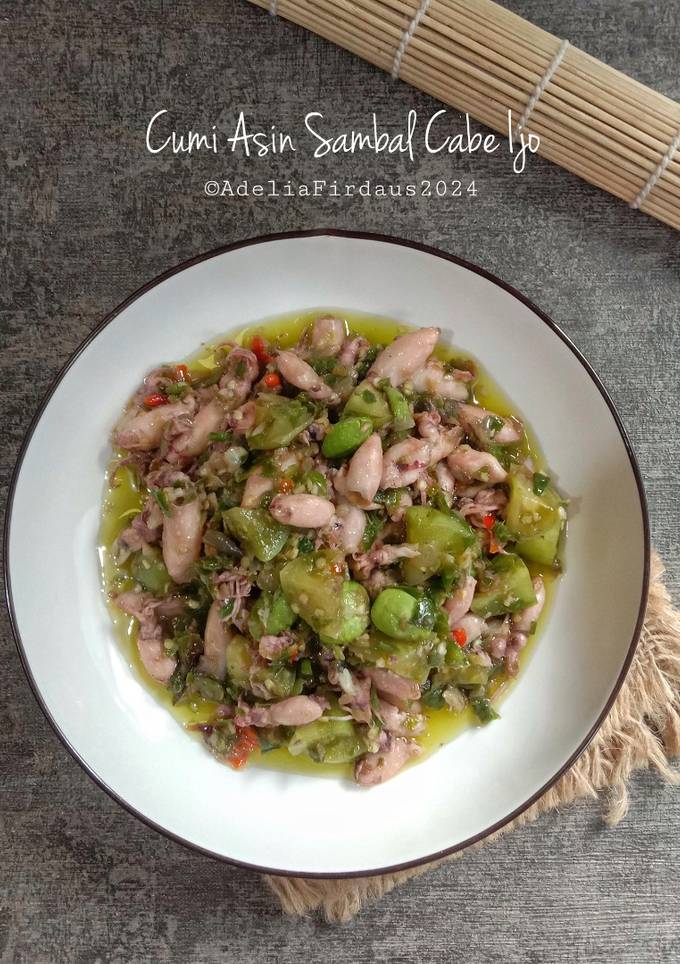
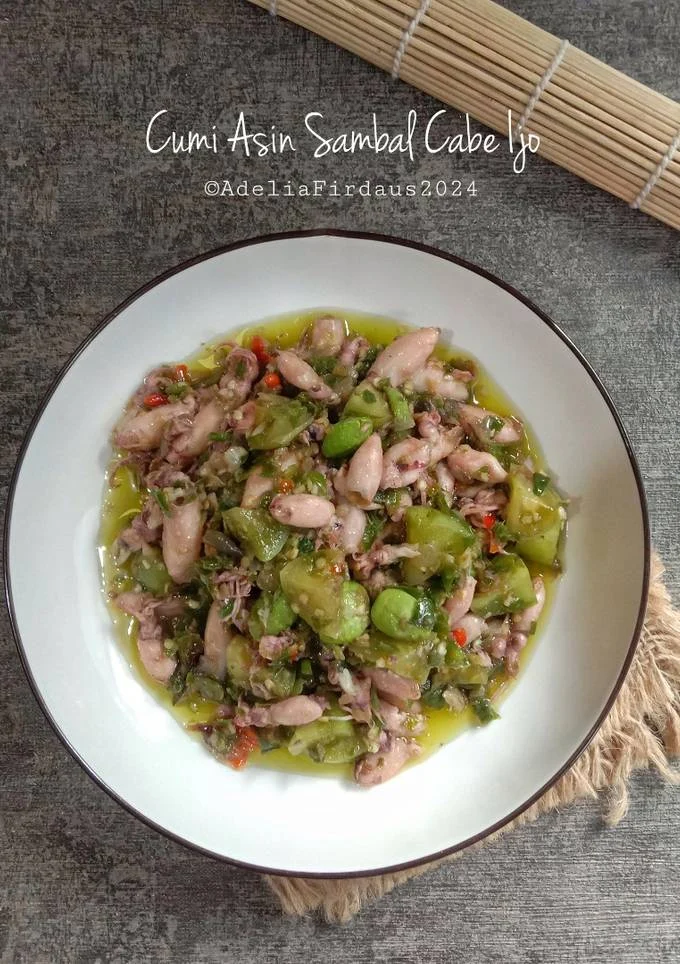
The addition of ‘Ikan Asin’ (salted fish) and ‘Cumi’ (squid) to Tempoyak elevates it from a simple fermented paste to a robust and savory main dish. ‘Ikan Asin’ refers to fish that has been preserved through salting and drying, resulting in a concentrated salty flavor and a chewy texture. ‘Cumi’, or squid, when dried and salted, offers a similar briny intensity and a satisfying chewiness. The combination of these ingredients with the sourness of Tempoyak creates a symphony of tastes and textures that is both challenging and incredibly rewarding.
Understanding the preparation of Resep Tempoyak Ikan Asin Cumi begins with sourcing the right ingredients. High-quality, ripe durian is essential for making authentic Tempoyak. The fruit should be soft, fragrant, and free from spoilage. For the salted components, opt for good quality ikan asin and dried cumi. The type of ikan asin can vary, with options like ikan teri (anchovies), ikan sepat (gourami), or even larger fish like mackerel, each contributing a slightly different nuance to the final dish.
The process of making Tempoyak from scratch is a labor of love. Once the durian flesh is extracted, it is typically mashed into a smooth paste. This paste is then placed in a clean, dry earthenware jar, often with a pinch of salt to aid in fermentation and preservation. The jar is sealed, usually with banana leaves or a cloth secured by a rubber band, and left to ferment in a cool, dark place for anywhere from 3 days to 2 weeks. The longer it ferments, the more pronounced its sourness and pungency will become.
For Resep Tempoyak Ikan Asin Cumi, the salted fish and squid usually require some preparation before being added to the Tempoyak. Dried salted fish might need to be rinsed to remove excess salt, and sometimes lightly fried or pan-seared to achieve a desirable texture and flavor. Dried squid, similarly, may need rehydration and then can be cut into bite-sized pieces. Some recipes call for frying these components to enhance their savory notes and achieve a slightly crispy exterior.
The actual cooking of Resep Tempoyak Ikan Asin Cumi often involves stir-frying. The fermented Tempoyak paste is typically sautéed first, allowing its aroma to develop and its sourness to mellow slightly. Aromatics such as garlic, shallots, and chilies are usually added to the pan, creating a fragrant base. The prepared salted fish and squid are then introduced, along with other seasonings.
The balance of flavors in this dish is crucial. The inherent sourness of the Tempoyak needs to be complemented by the saltiness of the ikan asin and cumi. Often, a touch of sweetness is added to round out the profile, typically in the form of a small amount of sugar or palm sugar. Some recipes might also include a hint of spice from fresh chilies or chili paste, further enhancing the complexity.
Other common additions to Resep Tempoyak Ikan Asin Cumi can include fresh herbs like lemongrass, kaffir lime leaves, or turmeric leaves, which impart subtle aromatic qualities. Some regional variations might incorporate belacan or terasi (shrimp paste) for an extra layer of umami, though this needs to be used judiciously to avoid overpowering the other flavors.
The texture of the finished dish is also a key element. The soft, almost creamy Tempoyak paste melds with the chewy, slightly firm salted fish and squid. If the salted components are fried to a slight crisp, they can provide a delightful textural contrast to the smoother fermented base.
Serving Resep Tempoyak Ikan Asin Cumi is traditionally done with steamed white rice. The fluffy, neutral rice acts as the perfect canvas for the bold flavors of the dish, allowing each component to shine without overwhelming the palate. A simple side of fresh vegetables, such as cucumber slices or boiled long beans, can provide a refreshing counterpoint.
Culturally, dishes like Tempoyak represent a significant aspect of Indonesian food heritage, particularly in regions where durian is abundant. The practice of fermenting food is a time-honored method of preservation, allowing communities to enjoy seasonal produce throughout the year. Tempoyak, in its various forms, is deeply ingrained in the culinary traditions of communities in Sumatra, such as the Palembang and Jambi people.
The unique aroma of durian, often described as a love-it-or-hate-it scent, is amplified during the fermentation process. This pungent smell is a hallmark of Tempoyak and is something that adventurous eaters come to associate with its distinctive taste. When combined with the savory notes of salted fish and squid, the aroma becomes even more complex and inviting to those familiar with the dish.
When preparing Resep Tempoyak Ikan Asin Cumi at home, patience is key, especially if you are making the Tempoyak paste from scratch. However, pre-made Tempoyak paste is often available in Asian markets, which can significantly shorten the preparation time. Similarly, various types of ikan asin and dried squid can be found, offering flexibility in tailoring the dish to your preference.
The choice of chilies is also important. For a milder heat, you might use bird’s eye chilies, while for a more intense kick, larger red chilies can be employed. The quantity can be adjusted based on individual spice tolerance. Some cooks prefer to deseed the chilies to reduce the heat while retaining the fruity pepper flavor.
For those new to Tempoyak, it’s advisable to start with a smaller portion of the fermented paste and gradually increase it as you become accustomed to its unique flavor. The sourness can be quite pronounced, and it’s important to achieve a harmonious balance with the other ingredients.
The salted fish component can be varied. For a milder saltiness, choose types like ikan kembung (mackerel scad) or ikan bandeng (milkfish). For a more intense flavor, ikan teri (anchovies) or ikan asin jambal roti (a type of salted catfish) are excellent choices. Each will impart a different character to the dish.
Similarly, the squid can be whole dried squid or smaller dried shrimp. If using larger dried squid, it’s often best to cut it into thin strips after rehydrating to ensure it cooks through and is tender. Smaller dried squid can sometimes be left whole or cut into halves.
The cooking process itself is relatively quick once all the ingredients are prepared. The key is to ensure that the flavors meld together beautifully. Stir-frying allows for high heat and rapid cooking, which is ideal for developing the aromas and bringing out the best in each ingredient.
A good recipe for Resep Tempoyak Ikan Asin Cumi should emphasize the careful sautéing of the Tempoyak paste. This step is crucial for mellowing its raw sourness and releasing its complex fermented notes. Overcooking the Tempoyak can lead to a bitter taste, so a gentle sauté is usually recommended.
The addition of shallots and garlic provides a fundamental aromatic base that is common in many Indonesian stir-fries. These ingredients are typically finely chopped or sliced and fried until fragrant before the Tempoyak is added.
When incorporating the ikan asin and cumi, it’s important to ensure they are evenly distributed throughout the dish. This allows for a consistent flavor experience with every bite.
For those who find the traditional preparation too intense, there are ways to modify it. Some recipes suggest adding a bit more sugar or a squeeze of lime juice to balance the sourness and saltiness. However, purists would argue that these adjustments alter the authentic character of the dish.
The culinary journey of Resep Tempoyak Ikan Asin Cumi is not just about the taste; it’s about appreciating the history and tradition behind it. It’s a dish that speaks of resourcefulness, of making the most of what nature provides, and of the deep cultural connections to food.
Exploring this recipe offers a unique opportunity to venture beyond common Southeast Asian flavors and discover the distinctive taste of fermented durian in a savory context. It’s a dish that challenges the palate and rewards the adventurous diner with an unforgettable culinary experience.
In conclusion, Resep Tempoyak Ikan Asin Cumi is a dish that embodies the spirit of Indonesian cuisine: bold, complex, and deeply rooted in tradition. It’s a celebration of fermentation, a harmonious blend of sour, salty, and umami flavors, and a testament to the culinary creativity found across the archipelago. Whether you are a seasoned fan of fermented foods or a curious newcomer, this dish offers a fascinating glimpse into a world of unique tastes and aromas.