
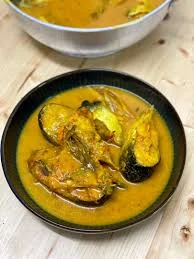

The star ingredient, tempoyak, is essentially fermented durian. Durian, the ‘King of Fruits,’ is known for its potent aroma and unique creamy texture. When left to ferment, its sugars break down, developing a tangy, sour, and even more intense flavor. This fermentation process, typically taking several days to a week or more, transforms the sweet fruit into a pungent paste that is a cornerstone of many traditional Malay dishes, especially in states like Pahang and Negeri Sembilan.
Complementing the tempoyak is ikan asin sepat, or dried salted catfish. Sepat, a type of freshwater catfish, is often salted and sun-dried, concentrating its flavor and extending its shelf life. The salting process imbues the fish with a robust umami and salty character that stands up to the strong flavor of the fermented durian.
The magic of Tempoyak Ikan Asin Sepat lies in the harmonious marriage of these two powerful ingredients. The sourness and pungency of the tempoyak cut through the richness and saltiness of the ikan asin sepat, creating a complex and addictive taste that lingers on the palate. It’s a dish that requires an acquired taste, often polarizing opinions, but for those who love it, it’s an unparalleled culinary experience.
The preparation of Tempoyak Ikan Asin Sepat is a labor of love, often passed down through generations. While the core ingredients remain the same, variations exist in the spices and aromatics used, reflecting regional and familial preferences. However, the fundamental process involves carefully combining the tempoyak, ikan asin sepat, and a medley of fresh chilies, onions, and sometimes other aromatics, before cooking them together.
Let’s delve into the key components required for a truly authentic Tempoyak Ikan Asin Sepat. The quality of your tempoyak is paramount. Ideally, you want a homemade tempoyak that has undergone a proper fermentation period – not too young, not too old. The aroma should be strong but not overwhelmingly ammoniac. The texture should be pasty and slightly fibrous.
For the ikan asin sepat, choose pieces that are well-dried and have a good amount of flesh. Rinse them thoroughly to remove excess salt and any impurities. Some cooks prefer to briefly fry or grill the salted fish before adding it to the dish to enhance its texture and aroma, while others add it directly.
The ‘sambal’ component is crucial for building flavor. This typically involves a generous amount of fresh red chilies, both bird’s eye chilies for heat and larger chilies for color and milder flavor. Shallots or red onions provide a sweet base, while garlic adds pungency. Some recipes might also include a touch of belacan (shrimp paste) for an extra layer of umami, though this is optional and depends on personal preference.
Other aromatics can elevate the dish. Lemongrass, pounded or finely sliced, can add a subtle citrusy note. Ginger, in small quantities, can provide a gentle warmth. Turmeric leaves, if available, can impart a unique aroma and slight bitterness that complements the other flavors.
The cooking process itself is relatively straightforward but requires attention to detail. Typically, the chilies, onions, and garlic are pounded or blended into a coarse paste. This paste is then sautéed in a wok or pot with a bit of oil until fragrant and slightly darkened.
Once the sambal base is cooked, the rinsed ikan asin sepat is added. It’s important to break the fish into smaller, manageable pieces. The fish is then cooked with the sambal, allowing its salty essence to infuse into the paste.
Next, the star ingredient – the tempoyak – is introduced. It’s crucial to incorporate the tempoyak gradually and stir it well to ensure it combines evenly with the sambal and fish. The mixture will start to thicken and the aromas will intensify. This is where the dish truly begins to take shape.
Water might be added sparingly to achieve the desired consistency. Some prefer a drier, more concentrated version, while others enjoy a saucier consistency. The amount of liquid will depend on personal preference and how moist the tempoyak itself is.
The dish is then simmered, allowing all the flavors to meld together. This slow simmering process is vital for developing the complex taste profile. The sourness of the tempoyak should mellow, and the saltiness of the fish should be balanced by the pungency of the chilies and aromatics.
Seasoning is a delicate art. Because the ikan asin sepat is already salty, adding extra salt is usually unnecessary. However, a touch of sugar might be added to balance the sourness and heat, creating a more rounded flavor. Taste and adjust as you go.
The cooking time can vary, but generally, it’s cooked until the sauce has thickened and the flavors have deepened. The oil may start to separate from the mixture, indicating that it’s well-cooked.
Serving Tempoyak Ikan Asin Sepat is as important as its preparation. It is traditionally served hot, often as a side dish to accompany plain white rice. The simplicity of the rice allows the bold flavors of the tempoyak dish to shine.
It’s also commonly served with other Malay dishes, such as ‘ulam’ (fresh, raw herbs and vegetables), fried fish, or various types of curries. The refreshing crunch of ‘ulam’ provides a wonderful textural contrast to the soft, pungent tempoyak.
The cultural significance of Tempoyak Ikan Asin Sepat cannot be overstated. It represents a resourceful approach to food preservation and a deep understanding of flavor combinations that have been perfected over centuries. It’s a dish that connects people to their heritage and culinary roots.
For those new to tempoyak, the initial encounter can be intense. The potent aroma is often the first thing people notice, and it can be quite off-putting for the uninitiated. However, perseverance is key. The taste is often more nuanced and less aggressive than the smell suggests.
Tips for beginners include starting with a smaller portion or choosing a version where the tempoyak flavor is less dominant. Some recipes might use less tempoyak or incorporate milder chilies. Exploring different variations can help you discover what you enjoy most.
The storage of tempoyak itself is also a traditional practice. Once fermented, it can be stored in an airtight container in the refrigerator for an extended period, its flavor continuing to develop over time. This makes it a convenient ingredient to have on hand for impromptu meals.
When preparing Tempoyak Ikan Asin Sepat, ensure good ventilation in your kitchen, especially when sautéing the sambal and cooking the tempoyak, as the aromas can be quite strong. This is part of the authentic experience, however!
For those who are adventurous eaters, exploring the different types of ikan asin (salted fish) that can be used is also an option. While sepat is traditional, other types of salted freshwater fish might yield interesting results.
The texture of the final dish is also a matter of preference. Some like it chunky with discernible pieces of fish and chili, while others prefer a smoother, more paste-like consistency. Achieving this is a matter of how finely you pound or blend your sambal ingredients and how much you stir the mixture during cooking.
The balance of sourness, saltiness, spiciness, and umami is what makes this dish so compelling. It’s a culinary tightrope walk, and when executed perfectly, it delivers an unforgettable taste sensation.
Consider the origin of your ingredients. Freshly fermented tempoyak from a trusted source will always yield better results than commercially produced ones that may have preservatives or a less authentic flavor profile. Similarly, good quality ikan asin sepat is essential.
The act of cooking and sharing Tempoyak Ikan Asin Sepat is often a communal affair. Families gather, share stories, and enjoy this unique dish together, reinforcing bonds and preserving culinary traditions.
In conclusion, Tempoyak Ikan Asin Sepat is more than just a dish; it’s a cultural icon, a testament to the art of fermentation, and a celebration of bold flavors. It invites exploration, challenges the palate, and ultimately offers a deeply satisfying culinary adventure for those willing to embrace its unique character.
Whether you are a seasoned enthusiast or a curious newcomer, understanding the nuances of preparing and enjoying Tempoyak Ikan Asin Sepat will undoubtedly enrich your appreciation for Malaysian cuisine. It’s a journey into the heart of a flavorful tradition that continues to captivate taste buds across the nation and beyond.