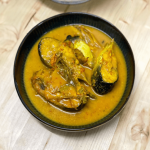
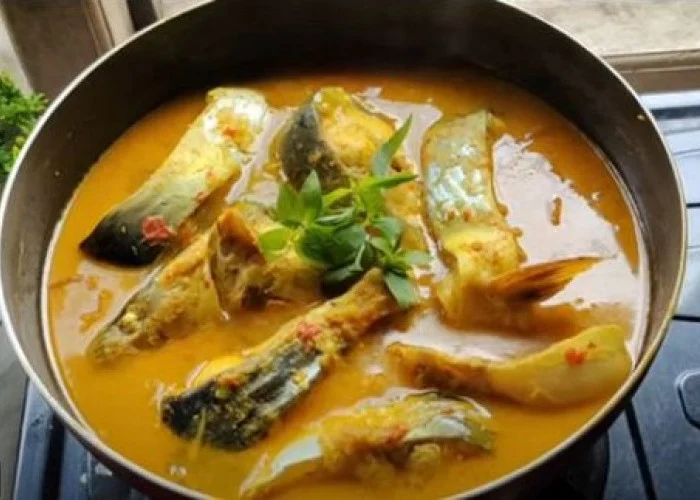

At its core, tempoyak is fermented durian. This might sound unusual to those unfamiliar with the fruit, but the fermentation process transforms the pungent durian into a condiment with a deeply savory, slightly sour, and wonderfully complex flavor profile. It’s this unique ingredient that gives the dish its signature character, providing a depth that is hard to replicate.
Ikan gabus, or snakehead fish, is the protein of choice for this dish. Known for its firm, white, and slightly sweet flesh, ikan gabus holds up beautifully to the robust flavors of the tempoyak and spices. Its texture is satisfying, and it readily absorbs the rich broth, making it a perfect canvas for the dish’s intense flavors.
The ‘pucung’ and ‘pindang’ in the name refer to the specific preparation methods and spice profiles often associated with this type of dish. ‘Pucung’ can sometimes refer to the use of keluak (black nuts) or a general dark, rich gravy, while ‘pindang’ often denotes a sour and savory broth, typically achieved with tamarind or other acidic elements. In this context, it signifies a harmonious blend of these elements, resulting in a dish that is both rich and tangy.
To truly master Tempoyak Ikan Gabus Pucung Pindang, one must understand the importance of each component. The quality of the tempoyak, the freshness of the ikan gabus, and the balance of the spice paste are all crucial for achieving an authentic and delicious result.
Let’s begin with the star: the tempoyak. Ideally, you want a well-fermented tempoyak. This can be purchased from local markets or made at home. If making it at home, it involves fermenting ripe durian flesh for several days until it develops its characteristic sourness and aroma. The fermentation process requires patience and attention to temperature and hygiene to ensure the best outcome.
When selecting ikan gabus, opt for fresh specimens. The flesh should be firm and translucent, with no strong odor. If possible, purchase the fish whole and have it cleaned and cut into desired pieces by your fishmonger. This ensures freshness and allows you to control the size of the cuts, which can affect cooking time.
The spice paste, or ‘bumbu halus’, is the soul of many Indonesian dishes, and this one is no exception. It typically includes a base of shallots and garlic, along with chilies for heat, ginger for warmth, turmeric for color and earthiness, and galangal for its distinct peppery and citrusy notes. Some recipes also incorporate candlenuts (kemiri) for richness and body.
Preparing the spice paste involves finely grinding these ingredients. Traditionally, a mortar and pestle (ulekan) are used, which yields a superior texture and flavor release compared to modern blenders. However, a food processor or blender can be used for convenience, though you might want to pulse rather than blend continuously to avoid a watery paste.
The cooking process typically begins with sautéing the spice paste until fragrant. This step is vital for developing the deep flavors of the spices. Cooking the paste over medium heat, stirring constantly, allows the aromatics to bloom and the raw smell of the spices to dissipate, resulting in a richer, more complex base for the stew.
Once the spice paste is fragrant, the tempoyak is added. This is where the magic happens. The sour and savory notes of the tempoyak begin to meld with the spices, creating an intoxicating aroma. It’s important to cook the tempoyak with the spices for a few minutes to allow its flavors to integrate fully.
Next, the ikan gabus pieces are introduced into the pot. They are gently submerged in the aromatic mixture, ensuring they are coated evenly. The fish will begin to cook in the flavorful liquid, absorbing all the deliciousness.
Liquid is then added to create the stew. Water is commonly used, but some prefer coconut milk for an added layer of richness and creaminess. The amount of liquid will determine the consistency of the final dish – a thicker stew or a more soupy consistency.
The dish is then simmered gently. This slow cooking process allows the flavors to meld and deepen, and the fish to become tender without falling apart. It’s crucial to maintain a gentle simmer rather than a rolling boil to preserve the texture of the fish and prevent the sauce from becoming too oily.
Seasoning is key. Salt is usually added, but the tempoyak itself provides a significant amount of saltiness, so it’s important to taste and adjust accordingly. A touch of sugar can sometimes be added to balance the sourness of the tempoyak, though this is optional and depends on personal preference.
Some variations of this dish might include additional ingredients. For instance, certain regional recipes might incorporate lemongrass, kaffir lime leaves, or bay leaves to add further layers of aroma and complexity.
The ‘pucung’ aspect might be more pronounced in some versions, possibly involving the addition of a small amount of ground keluak (black nuts) to give the stew a darker color and a subtle earthy flavor. However, it’s important to note that not all ‘pucung’ dishes use keluak, and the term can also refer to a general style of rich, dark stew.
The ‘pindang’ element often comes from the addition of tamarind paste or juice. Tamarind provides a distinct sourness that cuts through the richness of the tempoyak and the fish, creating a balanced flavor profile. The amount of tamarind used will dictate the level of tanginess in the dish.
Serving Tempoyak Ikan Gabus Pucung Pindang is typically done hot. It is a hearty dish that is best enjoyed with steamed white rice. The plain rice serves as a perfect counterpoint to the intense flavors of the stew, allowing each bite to be savored.
Garnishes can elevate the dish. Fresh herbs like cilantro or thinly sliced red chilies can add a burst of freshness and a touch of visual appeal. Some might also enjoy a squeeze of lime juice just before serving to brighten the flavors.
The aroma of the dish as it cooks is truly something special. The pungent notes of the fermented durian mingle with the fragrant spices, creating a smell that is both exotic and inviting. It’s a sensory experience that prepares you for the explosion of flavors to come.
Patience is a virtue when cooking this dish. Allowing it to simmer gently ensures that all the flavors have time to marry and develop fully. Rushing the process will result in a less cohesive and less satisfying taste.
When it comes to ingredient sourcing, seeking out authentic Indonesian ingredients will make a significant difference. If you can find fresh galangal and turmeric, their flavor and aroma will be superior to ground versions.
For those new to tempoyak, it’s advisable to start with a small amount if you’re unsure about the fermented durian’s strong flavor. You can always add more to taste. The goal is to achieve a balance where the tempoyak enhances, rather than overwhelms, the other ingredients.
The choice of chilies also plays a role in the heat level. Bird’s eye chilies will provide a significant kick, while larger red chilies will offer a milder heat and a more vibrant color. Adjust the quantity and type of chilies based on your spice tolerance.
Exploring regional variations can be a fascinating part of your culinary journey. Different parts of Indonesia might have their own unique twists on this dish, incorporating local ingredients or adjusting the spice blend to suit regional palates.
Tempoyak Ikan Gabus Pucung Pindang is more than just a meal; it’s a cultural experience. It represents the ingenuity of Indonesian cooking, transforming humble ingredients into something extraordinary. It’s a testament to the power of fermentation and the skillful use of spices.
The texture of the final dish should be a delightful combination of tender fish and a rich, flavorful gravy. The fish should flake easily, and the sauce should be thick enough to coat the rice without being overly watery.
Understanding the role of each spice is crucial. Ginger adds a warming spice, galangal a peppery zest, turmeric a beautiful golden hue and earthy notes, and chilies provide the essential heat. Shallots and garlic form the aromatic foundation.
The fermentation process of tempoyak is a testament to traditional food preservation techniques. It’s a method that not only preserves the fruit but also unlocks a spectrum of complex flavors that are integral to Indonesian cuisine.
In conclusion, Tempoyak Ikan Gabus Pucung Pindang is a dish that rewards the adventurous cook. With its unique combination of flavors and textures, it offers a truly authentic taste of Indonesia. By understanding the ingredients, mastering the techniques, and embracing the culinary journey, you can create a dish that is both memorable and deeply satisfying.