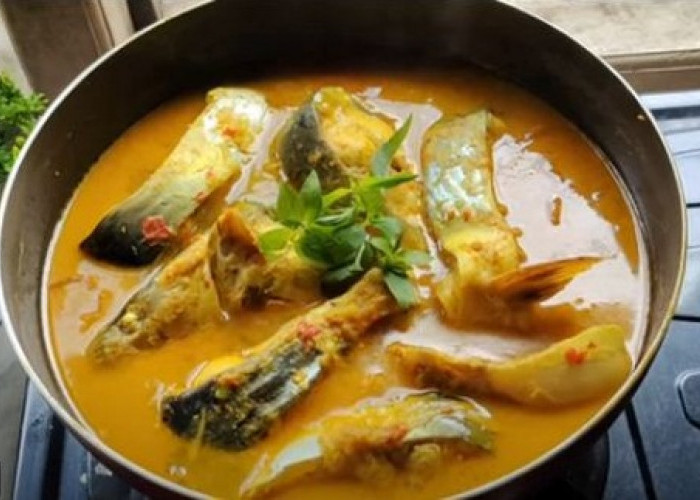
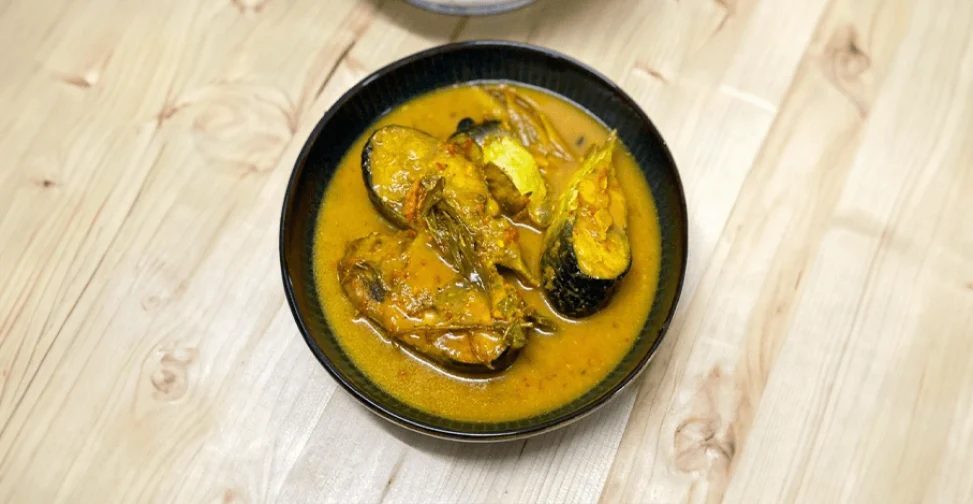

At its heart, Tempoyak Ikan Sepat Pindang Santan is a celebration of fermentation, a culinary process that transforms humble ingredients into complex and deeply flavorful components. The star of this dish is ‘tempoyak,’ a paste made from fermented durian. Durian, often referred to as the ‘king of fruits,’ is known for its pungent aroma and creamy, rich flesh. When fermented, its flavor profile evolves, developing a tangy, sour, and slightly umami character that serves as a potent flavor base.
The specific type of fish used, ‘ikan sepat,’ also known as gourami or snakehead fish in different contexts, contributes its own unique texture and taste. Ikan sepat is a freshwater fish that is readily available in the region and possesses a firm, flaky flesh that holds up well to the robust flavors of the tempoyak and santan.
The ‘pindang’ element refers to a cooking style that often involves simmering ingredients in a flavorful broth, typically infused with spices and aromatics. In this recipe, it signifies the method of gently cooking the fish until tender and infused with the surrounding flavors. Finally, ‘santan,’ or coconut milk, adds a luxurious creaminess and a subtle sweetness that balances the sourness of the tempoyak and the savory notes of the fish and spices.
The preparation of Tempoyak Ikan Sepat Pindang Santan is a labor of love, requiring patience and an understanding of how each ingredient contributes to the final harmony. While the concept of fermented durian might seem daunting to the uninitiated, its role in this dish is akin to that of cheese in Western cuisine – an ingredient that adds an unparalleled depth of flavor.
For those who may not have access to freshly fermented tempoyak, good quality store-bought tempoyak can be a viable alternative. It’s important to select a tempoyak that has a pleasant sour aroma and a vibrant, golden-yellow hue, indicative of proper fermentation.
The ikan sepat, if using fresh fish, should be cleaned thoroughly, removing scales and internal organs. Some recipes call for filleting the fish, while others prefer to cook it whole or in larger pieces, allowing the bones to lend flavor to the broth. The choice often depends on personal preference and the desired eating experience.
The aromatic base of the pindang broth is crucial. This typically includes a blend of shallots, garlic, chilies, and ginger, often pounded into a paste or finely chopped. Turmeric is frequently added for its vibrant color and earthy flavor, while galangal can provide a sharper, more peppery note.
Lemongrass, kaffir lime leaves, and perhaps a touch of tamarind paste are also common additions, contributing layers of citrusy and tangy complexity that complement the tempoyak beautifully. The combination of these aromatics is what transforms a simple fish stew into a dish with profound depth.
The santan, or coconut milk, is usually added towards the end of the cooking process. Full-fat coconut milk is preferred for its richness and ability to create a creamy, emulsified sauce. It softens the sharp edges of the tempoyak and rounds out the overall flavor profile, making the dish more palatable and luxurious.
The cooking process itself is a gentle simmer. The aromatics are sautéed until fragrant, followed by the addition of the tempoyak and a splash of water or broth to create the base for the pindang. The ikan sepat is then added and allowed to cook through in this flavorful liquid. Finally, the santan is stirred in, and the dish is simmered gently until the sauce has thickened slightly and the flavors have melded together.
Seasoning is a delicate art with this dish. While the tempoyak provides a natural saltiness and sourness, additional salt and a touch of sugar might be needed to achieve the perfect balance. Some cooks also add a dash of fish sauce or shrimp paste (belacan) for an extra layer of umami, though this should be done judiciously to avoid overpowering the other flavors.
The texture of the finished dish is a delightful interplay of soft, flaky fish, a creamy, slightly thick sauce, and the occasional tender bite of the aromatics. The aroma is a complex bouquet of pungent durian, fragrant spices, and savory fish, a scent that is instantly recognizable to those familiar with this cuisine.
Serving Tempoyak Ikan Sepat Pindang Santan is typically done hot, accompanied by steamed white rice. The rice acts as a neutral canvas, allowing the vibrant flavors of the dish to take center stage. Fresh herbs, such as cilantro or Thai basil, can be added as a garnish for a burst of freshness and color.
Beyond the mere ingredients and cooking steps, Tempoyak Ikan Sepat Pindang Santan holds significant cultural importance. It is a dish that is deeply rooted in the Malay and Indonesian archipelago, particularly in regions where durian cultivation is prevalent. It represents a way of preserving the seasonal bounty of durian and transforming it into a versatile culinary ingredient.
The dish is often associated with communal meals and family gatherings, where its unique flavor profile sparks conversation and shared appreciation for traditional food. It’s a dish that connects generations, with recipes passed down from elders to younger family members, ensuring the continuation of these culinary heritage.
For those new to tempoyak, it is advisable to start with a smaller portion to acclimate to the distinct taste and aroma. The initial encounter might be surprising, but with an open mind, one can discover the addictive qualities of this fermented delicacy.
Variations of this recipe exist across different regions and households. Some might add more chilies for a spicier kick, while others might opt for a richer santan for an even creamier consistency. The type of fish can also be substituted, although ikan sepat is traditionally preferred for its texture and flavor.
The art of making good tempoyak is itself a skill. Over-fermentation can lead to an overly sour or even alcoholic taste, while under-fermentation means the durian flavor will be too dominant and not sufficiently transformed. The ideal tempoyak strikes a balance between the fruit’s natural sweetness and a pleasant, tangy acidity.
When preparing the pindang broth, the quality of the spices is paramount. Freshly ground spices will always yield a more vibrant and aromatic result than pre-ground ones. Taking the time to pound or blend the aromatics releases their essential oils, infusing the broth with maximum flavor.
The addition of tamarind paste, if used, should be balanced carefully. Too much tamarind can make the dish overly sour, clashing with the tempoyak. A small amount, however, can enhance the tanginess and add a subtle fruity note.
The cooking time for the fish is also important. Overcooking will result in dry, tough fish, while undercooking means it won’t be fully cooked through. Gentle simmering ensures the fish remains moist and tender, absorbing the flavors of the broth without disintegrating.
The role of santan cannot be overstated. It acts as a bridge between the pungent tempoyak and the savory fish, smoothing out the flavors and creating a cohesive sauce. Using fresh, good-quality coconut milk will elevate the dish significantly.
For those looking to experiment, consider adding other complementary ingredients. Some might add a few slices of pineapple for a touch of sweetness and acidity, or perhaps some okra for added texture and thickness to the sauce.
The visual appeal of Tempoyak Ikan Sepat Pindang Santan is also worth noting. The vibrant yellow of the turmeric, the rich creaminess of the santan, and the occasional bright red of the chilies create a visually enticing dish that is as pleasing to the eye as it is to the palate.
In conclusion, Tempoyak Ikan Sepat Pindang Santan is more than just a recipe; it is a culinary experience that embodies the rich heritage and diverse flavors of Southeast Asia. It is a dish that challenges perceptions, rewards the adventurous palate, and offers a profound connection to tradition.
Embarking on the journey to prepare and savor this dish is an invitation to explore a unique intersection of fermentation, spice, and creamy richness. It is a testament to how simple ingredients, when treated with respect and culinary wisdom, can be transformed into something truly extraordinary.