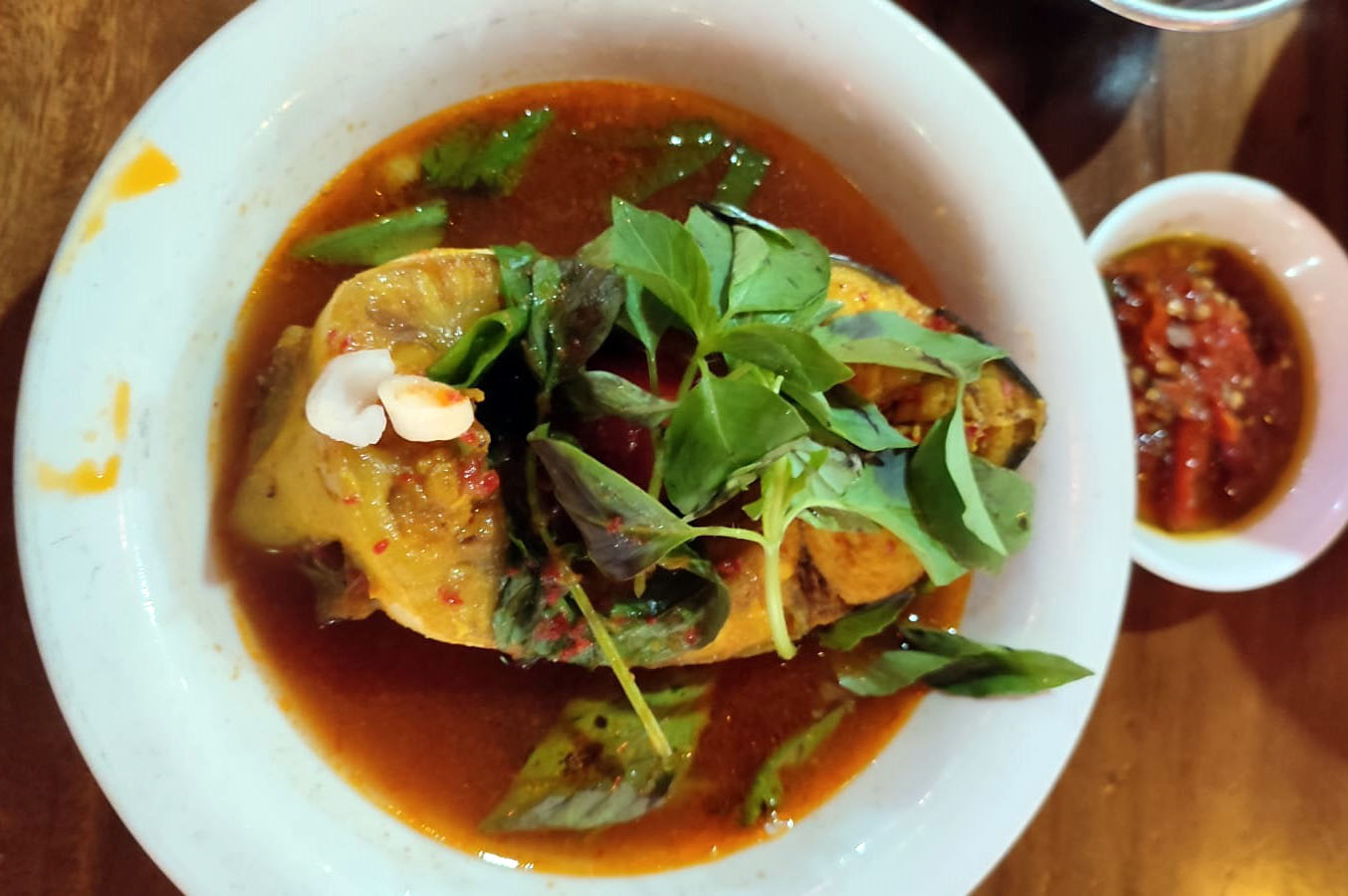
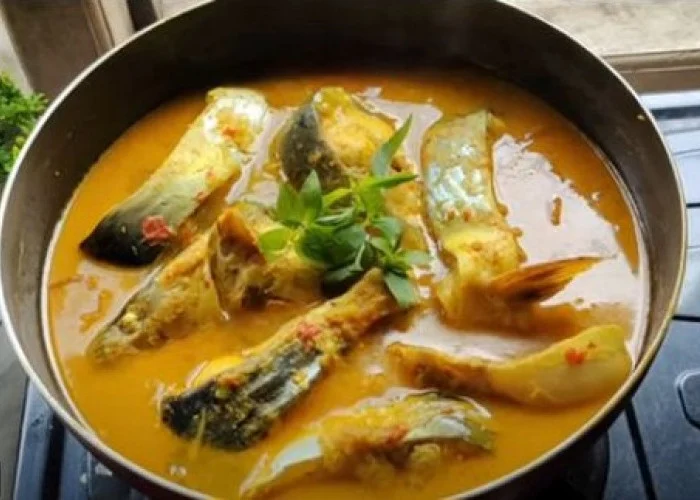

The foundation of this dish, tempoyak, is perhaps its most distinctive element. Tempoyak is essentially durian that has been fermented for several days, transforming its pungent aroma into a complex, tangy, and slightly savory flavor profile. The fermentation process, typically involving salt and the natural yeasts present in the durian, requires careful monitoring to achieve the desired taste without spoilage. The quality of the durian used significantly impacts the final tempoyak; ripe, fleshy durians yield the best results.
Ikan Lais, a type of freshwater catfish, is the protein of choice for this dish. Known for its firm texture and mild, slightly sweet flavor, ikan lais holds up well to the robust flavors of tempoyak and the spicy chili paste. Its flesh absorbs the surrounding flavors beautifully, making it an ideal complement to the fermented durian. When selecting ikan lais, freshness is paramount. Look for fish with clear eyes, bright red gills, and firm, elastic flesh.
Should you choose to make your own tempoyak, the process involves selecting ripe durian flesh, removing seeds, and mixing it with salt. The mixture is then placed in a clean, airtight container and left to ferment at room temperature for about 3 to 7 days, depending on the desired tanginess. Regular tasting is crucial during this period to gauge the fermentation progress. Once it reaches your preferred level of sourness, it can be refrigerated to slow down further fermentation.
For the ikan lais, it’s best to use fresh, whole fish or fillets. If using whole fish, ensure they are cleaned thoroughly, with scales removed and guts discarded. Some recipes prefer to lightly marinate the fish with salt and lime juice to reduce any potential fishiness before cooking. This step is optional but can enhance the overall flavor profile.
The aromatic base of the dish is built upon a spice paste, often referred to as ‘bumbu halus’ in Indonesian cooking. This paste typically includes shallots, garlic, chilies (a mix of fresh red chilies for color and heat, and bird’s eye chilies for an extra kick), and sometimes ginger and turmeric for added depth and aroma. The quality and proportion of these aromatics are key to achieving the authentic taste.
The cooking process itself is a symphony of flavors and textures. It begins with sautéing the spice paste until fragrant, releasing its aromatic oils. This step is crucial for developing the full flavor potential of the spices and ensuring they are cooked through.
Once the spice paste is fragrant, the tempoyak is added. This is where the magic truly begins. The tempoyak is gently sautéed with the spice paste, allowing its unique fermented flavor to meld with the aromatics. It’s important not to overcook the tempoyak at this stage, as excessive heat can diminish its delicate flavor.
Next, the ikan lais is carefully placed into the mixture. The fish should be arranged in a single layer if possible, allowing it to cook evenly in the simmering broth. Avoid stirring too vigorously at this point, as the fish can break apart easily.
Water or a light fish stock is then added to create the ‘pindang’ broth. The amount of liquid will determine the final consistency of the dish. Some prefer a thicker, more stew-like consistency, while others enjoy a soupier version.
The tamarind water is then introduced, along with sugar and salt, to season the broth. The balance of sour, sweet, salty, and spicy is paramount. This is where tasting and adjusting become critical. A good pindang should have a well-rounded flavor profile.
The dish is then brought to a gentle simmer. The lid is usually placed on the pot, allowing the fish to cook through and the flavors to infuse. The cooking time will vary depending on the size of the fish pieces, but generally, it takes about 15-25 minutes for the fish to become tender and cooked.
Throughout the simmering process, it’s advisable to check on the dish periodically. Gently nudge the fish pieces to ensure they are submerged in the broth and cook evenly. The aroma that fills the kitchen during this stage is simply intoxicating, a testament to the complex interplay of spices and fermented durian.
Serving Tempoyak Ikan Lais Pindang Pedas is typically done hot, accompanied by steamed white rice. The fluffy rice serves as the perfect canvas to soak up the rich, flavorful broth and complement the tender fish. A sprinkle of fresh herbs, such as cilantro or spring onions, can add a touch of freshness and visual appeal.
The beauty of this dish lies in its complexity and the unique sensory experience it offers. The initial pungent aroma of durian gives way to a deeply savory and tangy flavor, perfectly balanced by the heat of the chilies and the mildness of the fish. It’s a dish that often sparks conversation and is a true test of culinary adventurousness.
For those new to tempoyak, the fermented durian might be an acquired taste. However, its integration into this dish transforms it into something truly special, adding a depth and umami that is hard to replicate. The key is the careful balance of all the elements, ensuring no single flavor overpowers the others.
Variations of this dish exist across different regions. Some might add other types of fish, while others might adjust the spice levels or include additional vegetables like tomatoes or okra for texture and added nutrients. The core elements, however, remain the same: tempoyak, fish, spices, and the pindang cooking method.
Preparing Tempoyak Ikan Lais Pindang Pedas can be a rewarding culinary journey. It’s a dish that connects you to the culinary traditions of the region and offers a taste of authentic Southeast Asian flavors. The effort invested in sourcing quality ingredients and mastering the cooking techniques is amply rewarded with a dish that is both comforting and exciting.
Key to success is understanding the role of each ingredient. The tempoyak provides the signature tangy and umami base. The ikan lais offers a delicate protein that absorbs flavors beautifully. The spice paste delivers the aromatic warmth and heat. Tamarind adds essential sourness, while sugar balances the profile. The pindang method ensures a harmonious fusion of all these components.
When selecting chilies, consider the desired heat level. For a milder version, use fewer bird’s eye chilies and rely more on larger red chilies. For a spicier dish, increase the quantity of bird’s eye chilies or add a few dried chilies to the spice paste. Remember that dried chilies often provide a deeper, smokier heat.
The consistency of the tempoyak also plays a role. A firmer, less watery tempoyak will integrate better into the spice paste without making it too soupy initially. If your tempoyak is very watery, you might want to drain some of the liquid before sautéing.
For those who are sensitive to the strong aroma of durian, starting with a smaller amount of tempoyak and gradually increasing it in subsequent preparations can be a good approach. Over time, one can develop a greater appreciation for its unique contribution to the dish.
The choice of cooking vessel can also make a difference. A heavy-bottomed pot or Dutch oven will distribute heat more evenly, preventing scorching and ensuring a more consistent simmer. This is particularly important when sautéing the spice paste and simmering the fish.
When serving, consider the accompaniments. Beyond steamed rice, a side of fresh cucumber slices or a simple green salad can provide a refreshing contrast to the richness and spice of the Tempoyak Ikan Lais Pindang Pedas. Some also enjoy it with fermented shrimp paste (belacan) for an extra layer of umami.
The process of making this dish is not just about following a recipe; it’s about understanding the balance of flavors and the art of combining ingredients that might seem unconventional to some. The fermented durian, a fruit often polarizing in its raw form, becomes a culinary star when expertly incorporated into this savory and spicy dish.
Ultimately, Tempoyak Ikan Lais Pindang Pedas is more than just a meal; it’s an experience. It’s a journey into the heart of Southeast Asian culinary traditions, a testament to the power of fermentation, and a celebration of bold, complex flavors. By following this comprehensive guide, you are well on your way to recreating this unforgettable dish in your own kitchen.