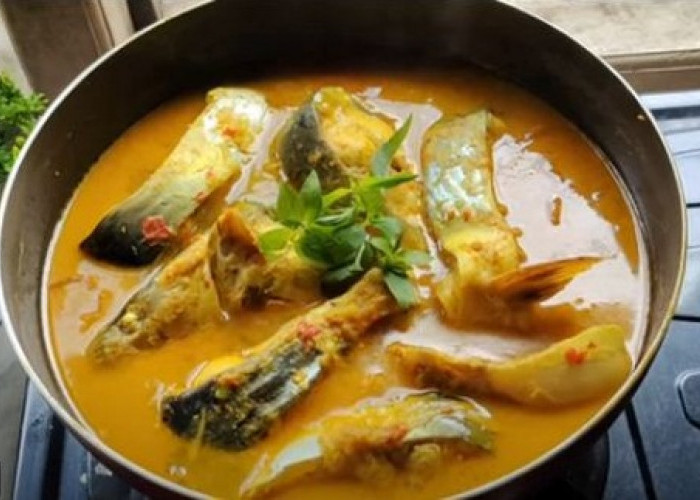

At its core, Pindang Kuning Tempoyak Ikan Belida is a celebration of contrasting yet complementary tastes and textures. The star of the show, tempoyak, is derived from fermented durian, a fruit often polarizing due to its potent aroma. However, when fermented, durian transforms into a tangy, slightly sour paste that adds a profound depth of flavor to dishes. This fermented essence is the soul of the ‘tempoyak’ component in our dish.
The ‘pindang’ in Pindang Kuning refers to a cooking method that typically involves simmering ingredients in a flavorful broth, often with souring agents. In this iteration, the sourness is amplified and enriched by the tempoyak, creating a complex base that is both invigorating and comforting.
Finally, ‘Ikan Belida’ refers to the specific type of fish used – the featherback fish, known for its tender, flaky white meat and relatively few bones, making it an ideal choice for this delicate preparation. Its mild flavor profile allows it to absorb the complex flavors of the broth without being overpowered.
The preparation of Pindang Kuning Tempoyak Ikan Belida is a journey that requires patience and a keen understanding of flavor development. It’s not merely about combining ingredients; it’s about coaxing out their best qualities through careful cooking.
The initial step often involves preparing the ‘bumbu kuning.’ This typically starts with a generous amount of fresh turmeric, which gives the dish its characteristic golden color and earthy notes. Alongside the turmeric, shallots and garlic are essential, providing a pungent sweetness. Ginger and galangal add warmth and a subtle peppery kick, while chilies, depending on the desired heat level, introduce a fiery dimension.
These aromatics are usually pounded or blended into a fine paste. Traditionally, a mortar and pestle are used, which helps to release the essential oils more effectively, leading to a richer flavor. However, modern kitchens often opt for food processors or blenders for convenience, though care must be taken not to overheat the mixture, which can alter the flavor.
Once the spice paste is ready, it is sautéed in a generous amount of cooking oil until fragrant and the raw aroma dissipates. This ‘tumis’ or sautéing process is crucial for developing the depth of flavor. Some cooks add a stalk of lemongrass, bruised to release its citrusy aroma, and a few kaffir lime leaves, which impart a distinct, refreshing fragrance.
The tempoyak is then introduced into this fragrant spice base. The pungent aroma of the fermented durian begins to meld with the spices, creating an intriguing olfactory experience. It’s important to use good quality tempoyak; one that is fermented enough to have a pleasant tang but not so sour that it becomes overpowering.
Water or a light fish broth is then added to create the signature pindang broth. This is where the magic truly begins. The broth is brought to a simmer, allowing all the flavors to meld and deepen. Some recipes might include a touch of tamarind paste to enhance the sourness and add another layer of complexity, balancing the richness of the spices and the tang of the tempoyak.
The Belida fish, prepared by cleaning and cutting it into manageable pieces, is then gently added to the simmering broth. The key is to cook the fish until it is just done, ensuring it remains tender and moist. Overcooking the delicate Belida fish will result in a dry, unappetizing texture.
As the fish cooks, it absorbs the vibrant flavors of the pindang broth. The tempoyak, initially having a strong presence, mellows and integrates into the sauce, providing a unique umami richness and a subtle fermented tang that is the hallmark of this dish.
Seasoning is a critical step. Salt is added to taste, and often a touch of sugar is used to balance the sourness and saltiness, creating a harmonious flavor profile. Some variations may also include a dash of fish sauce for an extra umami boost, though this is less common in more traditional preparations.
The cooking process continues until the fish is cooked through and the broth has thickened slightly. The final dish should have a beautiful golden hue, a rich, complex aroma, and a flavor that is simultaneously tangy, savory, slightly sweet, and deeply aromatic.
Serving Pindang Kuning Tempoyak Ikan Belida is an experience in itself. It is traditionally served hot, with steamed white rice being the perfect accompaniment. The fluffy, neutral rice acts as a canvas, allowing the vibrant flavors of the dish to shine.
Garnishes can elevate the presentation and add subtle textural contrasts. Fresh cilantro leaves, thinly sliced red chilies for an extra visual pop and a hint of heat, or a squeeze of lime juice for added brightness are common additions.
The beauty of this dish lies in its regional variations. Different areas in Indonesia might have their unique twists on the recipe. Some might add other types of fish, while others might incorporate vegetables like okra or eggplant into the broth. The core elements of tempoyak, bumbu kuning, and pindang broth, however, remain consistent.
For those new to tempoyak, the initial aroma might be challenging. However, it is precisely this fermented characteristic that lends the dish its signature depth and complexity. It’s an acquired taste for some, but for those who appreciate it, it’s an unparalleled culinary delight.
The choice of fish is also important. While Belida is traditional, other firm white fish like snapper, sea bass, or even catfish can be used as substitutes. The key is to select a fish that can withstand the simmering process without disintegrating and has a flavor that complements the robust broth.
The process of making tempoyak itself is an art form. It involves selecting ripe durian, removing the seeds, and fermenting the flesh in a sealed container for several days or even weeks. The duration of fermentation significantly impacts the final flavor, with longer fermentation yielding a more intense, sour taste.
Beyond the ingredients and the cooking method, Pindang Kuning Tempoyak Ikan Belida represents a connection to Indonesian culinary heritage. It’s a dish that evokes memories of family gatherings, traditional celebrations, and the comforting embrace of home-cooked meals.
The health benefits, while not the primary focus, are also worth noting. Turmeric is known for its anti-inflammatory properties, and the various aromatics in the spice paste are rich in antioxidants. Fermented foods like tempoyak can also contribute to gut health.
For home cooks, mastering this dish can be a rewarding endeavor. It requires understanding the balance of flavors and the nuances of Indonesian spices. Starting with a reliable recipe and gradually experimenting with the spice levels and fermentation intensity can lead to personal perfection.
The visual appeal of Pindang Kuning Tempoyak Ikan Belida is undeniable. The vibrant yellow broth, studded with pieces of white fish and flecks of herbs, is a feast for the eyes. It’s a dish that looks as good as it tastes, making it a perfect centerpiece for any meal.
The texture of the dish is also a key component of its appeal. The tender, flaky fish contrasts beautifully with the smooth, rich broth. The occasional bite of a softened aromatic, like a piece of ginger or galangal, adds further textural interest.
When contemplating the preparation, consider the quality of your ingredients. Fresh, high-quality spices will always yield a superior flavor. Similarly, using fresh fish will ensure a delicate texture and clean taste.
The aroma that fills the kitchen as this dish simmers is truly intoxicating. It’s a complex bouquet of spices, herbs, and the unique fermented tang of tempoyak, promising a culinary adventure with every whiff.
This dish is more than just a meal; it’s an edible story, a narrative of Indonesian culture and its deep-rooted culinary traditions. It speaks of resourcefulness, of transforming humble ingredients into something extraordinary.
The act of sharing Pindang Kuning Tempoyak Ikan Belida is also integral to the experience. It’s a dish meant to be enjoyed with loved ones, fostering connection and conversation around the dining table.
In conclusion, Pindang Kuning Tempoyak Ikan Belida is a culinary masterpiece that embodies the soul of Indonesian cuisine. Its intricate flavors, aromatic complexity, and unique ingredients offer a gastronomic journey that is both challenging and immensely rewarding. It’s a dish that invites exploration, appreciation, and the joy of discovering new tastes.
Whether you are a seasoned culinary adventurer or a curious newcomer to Indonesian flavors, Pindang Kuning Tempoyak Ikan Belida promises an experience that will linger long after the last bite. It’s a true testament to the power of fermentation, aromatic spices, and the art of slow cooking.