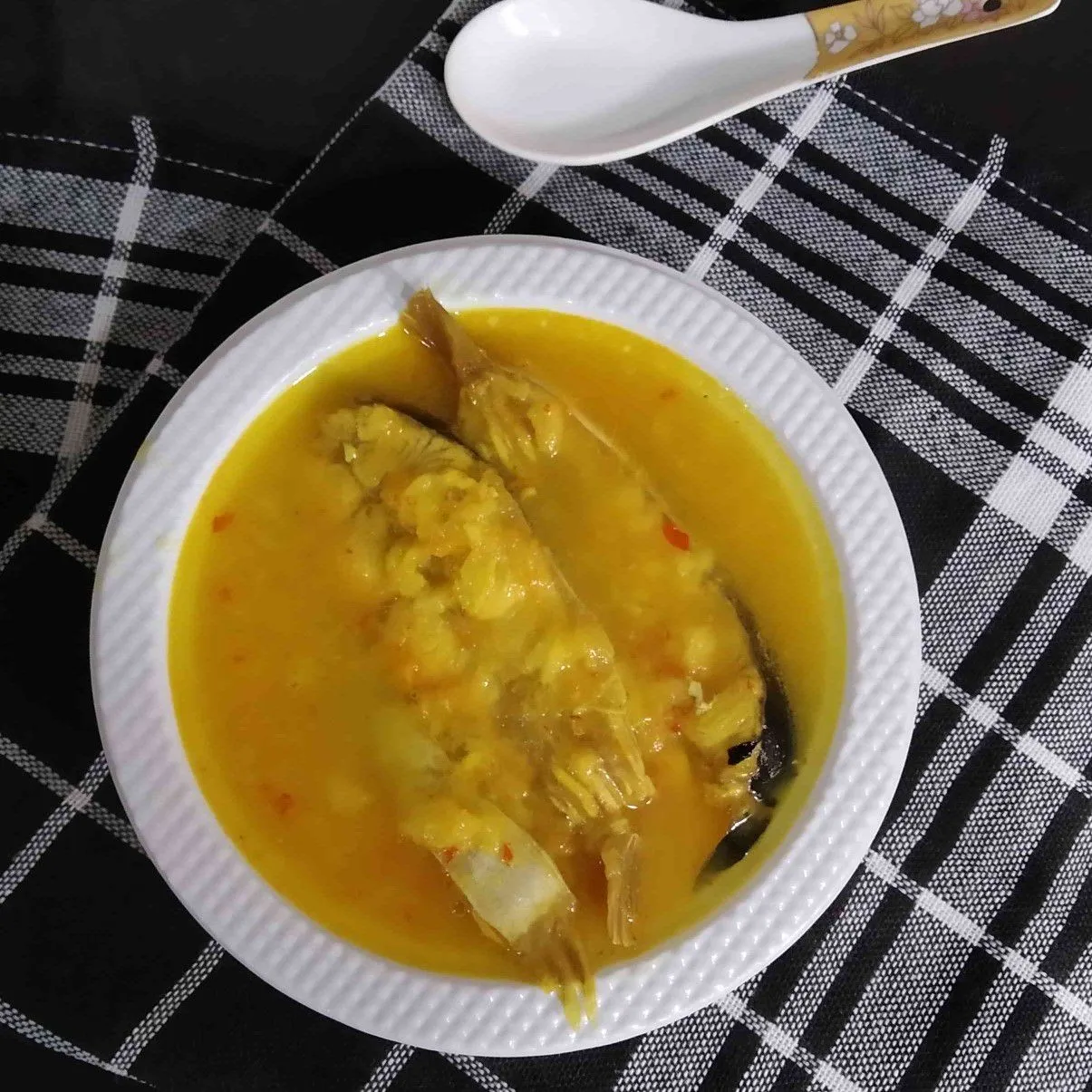
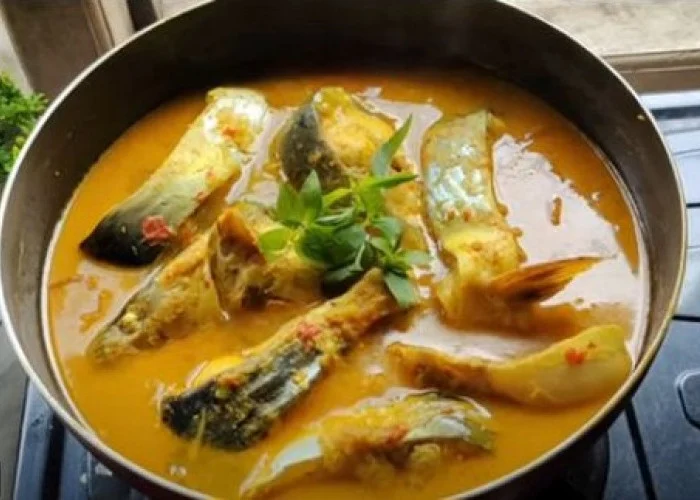

At its heart, tempoyak is a fermented durian paste. This process, typically involving salting and allowing durian flesh to ferment for several days or even weeks, transforms the fruit’s pungent aroma into a savory, umami-rich condiment. The fermentation breaks down sugars and develops a distinct tanginess that is crucial to the dish’s overall profile. The quality of the durian used and the fermentation process directly influence the final taste of the tempoyak, making it a foundational element that demands careful selection and preparation.
The choice of shark meat (ikan hiu) is another critical factor. Shark meat has a unique texture – often firm and somewhat chewy, with a mild, slightly sweet flavor that readily absorbs the surrounding spices. However, it’s important to source shark meat responsibly and ethically, considering sustainability and the specific types of shark suitable for consumption. Different shark species can have varying fat content and textures, influencing how they cook and the final dish’s mouthfeel. Preparation often involves cleaning the meat thoroughly and cutting it into manageable pieces.
The ‘Pindang Pedas’ element refers to a spicy, soupy preparation, often associated with Southeast Asian cuisines. This style typically involves a flavorful broth infused with a blend of chilies, aromatics like ginger, galangal, turmeric, and lemongrass, and often includes ingredients like tamarind for a touch of sourness. The ‘pedas’ (spicy) aspect is paramount, with the amount and type of chilies used dictating the heat level. Achieving the right balance of spice, sourness, and savory notes is key to a successful Pindang Pedas.
Combining these three elements – tempoyak, ikan hiu, and pindang pedas – creates a dish that is both bold and harmonious. The pungent, tangy tempoyak cuts through the richness of the shark meat, while the spicy broth envelops everything in a wave of aromatic heat. It’s a symphony of flavors that challenges and delights the palate.
To embark on preparing Tempoyak Ikan Hiu Pindang Pedas, the first step is ensuring you have high-quality ingredients. For the tempoyak, seek out fermented durian paste that has a balanced tanginess and a pleasant aroma, avoiding anything that smells overly ammoniated or spoiled. If making your own, patience is key to achieving the right fermentation.
When selecting shark meat, opt for fresh cuts. Look for a firm texture, a clean smell, and a translucent appearance. Depending on your region, you might find specific types of shark commonly used in local cuisine. Ensure the meat has been properly handled and cleaned to remove any undesirable odors or textures. It’s often recommended to rinse the shark meat thoroughly and pat it dry before cooking.
The spice paste, or ‘bumbu’, for the pindang pedas is where much of the dish’s character comes from. A typical blend might include fresh red chilies (adjust quantity for desired heat), bird’s eye chilies for extra kick, shallots, garlic, ginger, galangal, and turmeric. These ingredients are usually pounded or blended into a smooth paste. The intensity of the spice paste is fundamental to the ‘pedas’ aspect.
Preparing the spice paste is a labor of love. Sautéing the paste briefly in a bit of oil until fragrant helps to mellow its raw edge and release its full aromatic potential. This step is crucial for developing the depth of flavor in the final broth. Don’t rush this process; allow the spices to bloom.
The cooking process typically begins by sautéing the prepared spice paste. Once fragrant, add the tempoyak. Stir well, allowing the tempoyak to meld with the spices. This initial combination is where the unique flavor profile of the dish starts to form. The heat will begin to break down the tempoyak further, releasing its complex notes.
Next, introduce the shark meat to the pan. Sear it lightly with the spice and tempoyak mixture. This searing helps to seal in the juices and add a subtle depth of flavor to the shark meat itself. Ensure each piece is coated evenly with the aromatic paste.
Liquid is then added to create the pindang broth. Water or a light fish stock can be used. Bring the mixture to a simmer, allowing the flavors to meld and the shark meat to cook through. The consistency of the broth can be adjusted to your preference – some prefer it thicker, while others enjoy a more soupy consistency.
Seasoning is a delicate art. Beyond the saltiness of the tempoyak and any added salt, consider adding a touch of sugar to balance the heat and tanginess. Tamarind paste, dissolved in a little water, can provide a pleasant sour counterpoint, essential for the pindang style. Taste and adjust seasonings as you go.
The cooking time for shark meat can vary. It’s important not to overcook it, as this can lead to a tough or rubbery texture. The meat should be cooked until just opaque and tender. Simmering gently allows the flavors to penetrate the shark meat without breaking it down too much.
A common addition to pindang dishes is a handful of fresh herbs or vegetables. Consider adding ingredients like tomatoes for a burst of freshness and acidity, or leafy greens like spinach or kangkung (water spinach) towards the end of cooking for added nutrients and texture.
Another traditional element sometimes incorporated is a splash of sour flavoring agent, such as tamarind juice or even a squeeze of lime. This sourness is vital for cutting through the richness of the shark and the intensity of the tempoyak, creating a more balanced and refreshing dish.
For those who enjoy a richer, more complex flavor profile, adding a bit of coconut milk can transform the dish. While not strictly traditional for all pindang preparations, a small amount can add a creamy undertone that complements the spices and the tempoyak beautifully. This is a variation to consider for a different culinary experience.
Serving Tempoyak Ikan Hiu Pindang Pedas is typically done hot. It is best enjoyed with steamed white rice, which acts as a perfect neutral canvas to absorb the complex flavors of the dish. The rice helps to temper the heat and the intensity of the spices.
Garnishes can elevate the presentation and flavor. Fresh cilantro, sliced chilies, or a sprinkle of fried shallots can add a final touch of freshness, color, and texture. These small additions make a significant difference to the overall dining experience.
When it comes to tempoyak, its pungency can be quite intense. If you are new to this flavor, start with a smaller amount and gradually increase it in future preparations. The fermentation process can vary, so tasting your tempoyak before adding it is always a good practice.
The type of chili used will significantly impact the heat. Red chilies provide a more general heat, while bird’s eye chilies offer a sharper, more intense spice. Experiment with different combinations to find your preferred level of spiciness.
Shark meat can sometimes have a stronger odor. Marinating it briefly in lime juice or a bit of turmeric can help to neutralize any strong smells before cooking. This is a simple yet effective step for ensuring a clean-tasting dish.
For those concerned about the texture of shark meat, ensuring it is fresh and not overcooked is paramount. Cooking it gently in the broth will help it remain tender. If the meat feels tough after cooking, it might be a sign of overcooking or the type of shark used.
Storage of leftover Tempoyak Ikan Hiu Pindang Pedas is important. Like many spiced dishes, the flavors often deepen and meld further overnight. Store it in an airtight container in the refrigerator. Reheat gently on the stovetop or in the microwave.
Exploring variations of this dish can be rewarding. Some regions might add different types of fish or seafood, or incorporate other fermented ingredients. The core principles of balancing spice, tanginess, and the unique flavors of the main ingredients remain consistent.
Understanding the cultural context of Tempoyak Ikan Hiu Pindang Pedas adds another layer to its appreciation. It is a dish born from resourcefulness, utilizing local ingredients and traditional preservation methods to create something truly unique and flavorful.
The culinary journey of preparing this dish is as important as the final result. It involves understanding the nuances of fermentation, the characteristics of different meats, and the art of balancing bold flavors. Each step contributes to the final delicious outcome.
In essence, mastering Tempoyak Ikan Hiu Pindang Pedas is about respecting the ingredients and understanding the techniques that bring them together. It’s a dish that promises an adventure for the taste buds, offering a glimpse into the rich culinary heritage of its origins.
The key to success lies in patience and attention to detail. From selecting the freshest ingredients to carefully balancing the spices and fermented notes, every element plays a vital role in creating an authentic and unforgettable meal. Enjoy the process and savor the exquisite flavors.