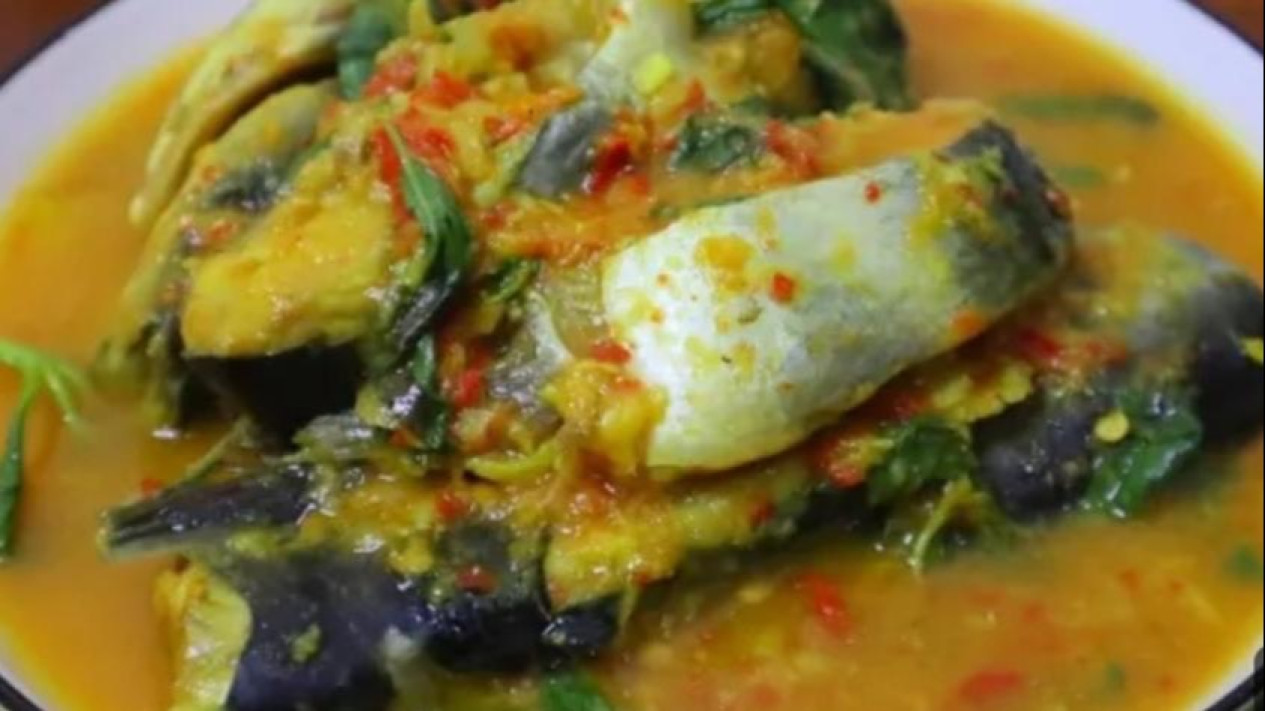
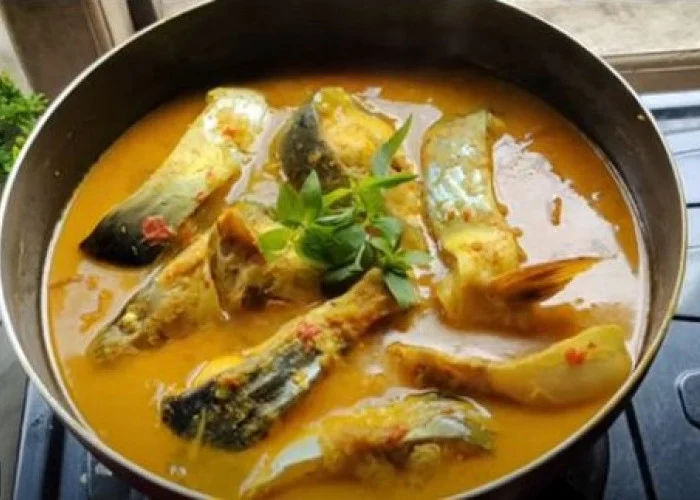

At its heart, Tempoyak Ikan Bandeng Pindang Pedas is a symphony of contrasting yet complementary elements. The star ingredient, tempoyak, is essentially fermented durian. This process transforms the pungent fruit into a condiment with a sour, savory, and slightly sweet flavor, providing a distinctive umami base. This is then combined with ‘ikan bandeng’ (milkfish), known for its rich, oily flesh, and the aromatic ‘pindang’ broth, a soupy preparation often featuring turmeric, chili, and other spices.
The journey begins with understanding and sourcing your key ingredients. High-quality tempoyak is paramount. Ideally, you’ll want to make your own, but if purchasing, look for reputable sellers who offer well-fermented durian paste. It should have a strong aroma but not an overwhelmingly putrid smell. The fermentation process is crucial for developing its characteristic flavor, so avoid anything that seems too fresh or overly ammoniated.
Next, consider the milkfish. Freshness is key to achieving the best texture and flavor. Look for fish with clear eyes, bright red gills, and firm flesh. Milkfish are known for their numerous fine bones, which can be a challenge. Many Indonesian recipes involve a technique to mitigate this, which we will discuss later. If fresh milkfish is unavailable, good quality frozen options can be a substitute, but be sure to thaw them properly.
The pindang broth forms the soul of the dish’s liquid component. Its characteristic yellow hue comes from turmeric, and its spiciness from a generous amount of chilies. Other essential aromatics often include shallots, garlic, galangal, lemongrass, and kaffir lime leaves. The balance of these spices is what gives the pindang its depth and complexity.
Let’s delve into the preparation of the tempoyak itself, for those adventurous enough to make it from scratch. This process requires patience. Ripe durian flesh is mashed and placed in a clean, airtight container, often sealed with banana leaves. It’s then left to ferment at room temperature for several days, typically 3-7, depending on the desired level of sourness and pungency. Regular tasting is essential to monitor the fermentation progress.
If you’re using store-bought tempoyak, it’s often beneficial to rinse it lightly to remove excess liquid and any overly strong fermented notes, unless you prefer a very intense flavor. Some cooks also sauté the tempoyak briefly with a little oil and chili paste to mellow its flavor and integrate it better into the dish.
Preparing the milkfish requires special attention due to its bone structure. A common technique involves scoring the fish deeply on both sides, cutting through the flesh but not entirely through the bone. This breaks up the fine intramuscular bones, making them less noticeable when cooked and eaten. Another method is to parboil the fish briefly before cutting it into pieces, which can help firm up the flesh and slightly soften the bones.
Now, let’s talk about the spice paste, or ‘bumbu halus,’ which is the flavor foundation of the pindang broth. This typically involves blending or pounding together red chilies (a mix of large and small for heat and color), shallots, garlic, and often a small piece of turmeric for that signature golden hue and earthy undertone. Galangal, bruised lemongrass, and kaffir lime leaves are usually added whole to the simmering broth.
The cooking process begins by sautéing the spice paste until fragrant. This step is crucial for releasing the full aroma and flavor of the spices. Add the bruised lemongrass, galangal, and kaffir lime leaves to the pan and stir until their fragrance intensifies. This aromatic base will infuse the entire dish.
Next, introduce the tempoyak to the sautéed spice paste. Stir well, allowing the tempoyak to meld with the aromatics. Cook for a few minutes until the tempoyak softens and its pungent aroma becomes more integrated and less sharp. Some chefs add a touch of sugar or tamarind paste at this stage to balance the sourness of the tempoyak.
Pour in water or fish stock to create the pindang broth. Bring the mixture to a simmer. The amount of liquid will determine the soupiness of your dish. For a richer, more concentrated flavor, use less liquid. For a lighter, brothier consistency, add more.
Season the broth generously. Salt is essential, but consider adding a touch of fish sauce or shrimp paste (terasi) for an extra layer of umami. Taste and adjust the seasoning as needed. The final flavor should be a harmonious balance of spicy, sour, savory, and a hint of sweetness, with the distinct character of the tempoyak shining through.
The cooking time for the milkfish will vary depending on the size of the pieces, but typically 10-15 minutes is sufficient after the broth has returned to a simmer. The fish should be opaque and flake easily with a fork. Avoid boiling vigorously, as this can disintegrate the delicate fish.
Some variations of this dish include adding other vegetables, such as tomatoes or okra, which add a fresh counterpoint to the rich flavors. If using tomatoes, add them towards the end of the cooking process so they don’t turn to mush. Okra can be added a few minutes before the fish is done.
Serving Tempoyak Ikan Bandeng Pindang Pedas is traditionally done hot, usually accompanied by steamed white rice. The rice acts as a perfect neutral canvas to absorb the flavorful broth and the complex tastes of the dish. Garnish with fresh herbs like cilantro or sliced red chilies for visual appeal and an extra burst of freshness.
The beauty of this dish lies in its complexity. The initial pungent aroma of the tempoyak might seem daunting, but when cooked, it transforms into a deeply savory and tangy element that complements the richness of the milkfish and the aromatic spices of the pindang. It’s a culinary adventure that rewards the palate with layers of flavor.
For those who find the raw pungency of tempoyak challenging, consider using a smaller amount initially or opting for a more lightly fermented variety. You can also adjust the chili levels to control the spiciness. The goal is to create a balanced dish that showcases the unique ingredients without overwhelming the senses.
Experimentation is encouraged. Some regions add a touch of palm sugar to balance the sourness and spiciness. Others might incorporate tamarind paste for an additional layer of tanginess. The beauty of Indonesian cuisine lies in its adaptability and regional variations.
Storage of leftover tempoyak is straightforward. Once cooked, the dish can be refrigerated for 2-3 days. Reheat gently on the stovetop, adding a splash of water if the broth has thickened too much. The flavors often deepen and meld further upon resting, making leftovers potentially even more delicious.
For those who are new to durian or tempoyak, it is highly recommended to start with a smaller portion of tempoyak and gradually increase the amount as you become more accustomed to its unique flavor profile. This allows your palate to adjust and appreciate the nuances.
The choice of chilies significantly impacts the final dish. For a milder heat, use fewer bird’s eye chilies and more large red chilies. For a fiery kick, don’t shy away from the small, potent bird’s eye chilies. Adjusting the chili quantity is a key aspect of personalizing this recipe.
Galangal, a rhizome similar to ginger but with a distinct peppery and citrusy flavor, is crucial for the pindang broth’s authenticity. If you cannot find fresh galangal, a small amount of ginger can be used as a substitute, but the flavor profile will be altered.
Lemongrass, when bruised or crushed, releases its fragrant oils, adding a bright, lemony note to the broth. Kaffir lime leaves provide a distinct citrusy aroma that is essential to many Southeast Asian broths. Both should be added whole to the simmering liquid.
The texture of the milkfish is delicate and flaky when cooked properly. The scoring technique helps immensely in managing the bones, making the fish more enjoyable to eat. Patience during the simmering process is key to preserving the fish’s integrity.
Consider the consistency of your pindang broth. Some prefer it thick and rich, while others enjoy a more soupy consistency. Adjust the amount of water or stock added accordingly. The broth should be flavorful enough to coat the rice beautifully.
A well-made Tempoyak Ikan Bandeng Pindang Pedas is a testament to the vibrant and diverse culinary traditions of Indonesia. It’s a dish that tells a story through its ingredients and preparation methods, offering a unique sensory experience.
The fermentation process of durian is a cornerstone of many Southeast Asian cuisines, and tempoyak is a prime example of its versatility. It’s not just a condiment; it’s a flavor enhancer that brings a depth and complexity unmatched by most other ingredients.
Embrace the adventure of cooking and tasting this dish. The initial aroma might be challenging, but the reward is a deeply satisfying, complex, and utterly delicious meal that will leave a lasting impression on your culinary journey. Enjoy the process and the incredible flavors!