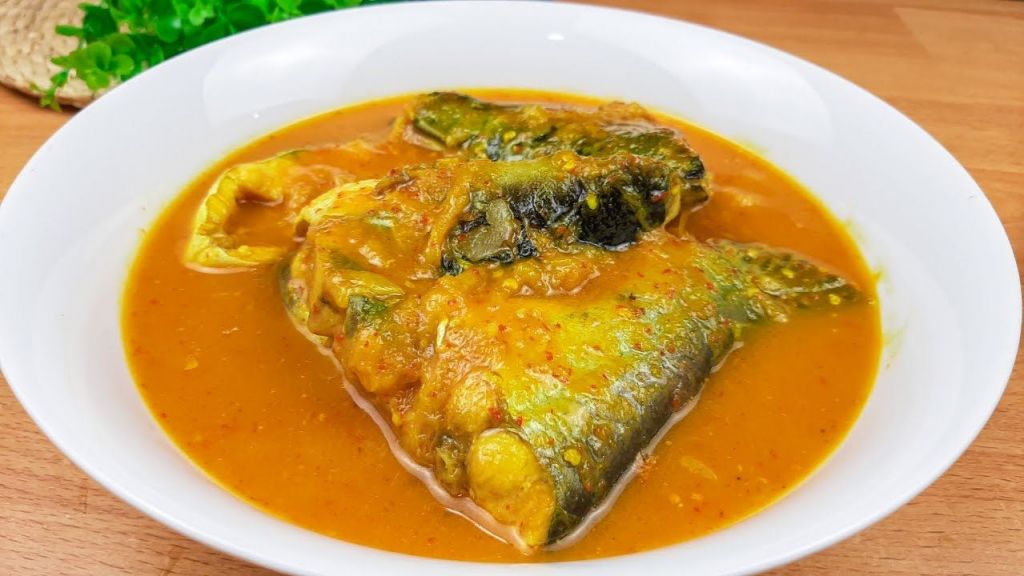

At its heart, this dish is a testament to the Indonesian art of fermentation and the skillful balancing of contrasting flavors. Tempoyak itself is a fermented product made from durian, the ‘king of fruits.’ The pungent aroma and unique taste of durian are transformed through fermentation into a savory, tangy paste that forms the soul of many Sumatran dishes. Its preparation requires patience, as the durian flesh is typically left to ferment for several days to a week, developing a distinctive sourness that is crucial to the final dish.
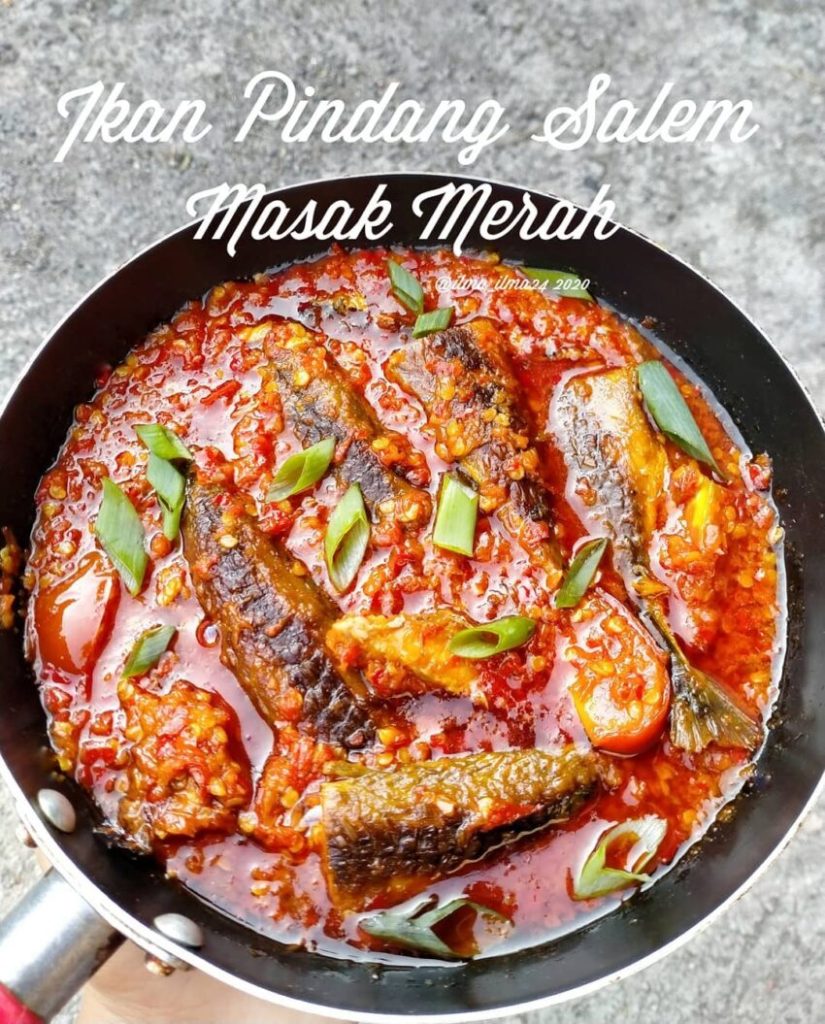
The ‘Ikan Salem Pindang’ component refers to mackerel, often a type of scad or round scad, cooked in the pindang style. Pindang is a traditional Indonesian cooking method that involves boiling ingredients, often fish, in a flavorful broth. This broth is typically seasoned with a combination of spices and often includes ingredients like turmeric, ginger, garlic, shallots, and chili, giving the fish a rich, aromatic, and slightly spicy base flavor. The mackerel is usually cooked until tender, absorbing the fragrant spices.
The ‘Asam Manis’ aspect introduces the sweet and sour element, a beloved flavor profile in Indonesian cuisine. This is achieved through a sauce typically made with ingredients like tamarind paste (for sourness), sugar or palm sugar (for sweetness), vinegar (for an extra tang), and often chili for a touch of heat. This sauce is then incorporated with the cooked fish and tempoyak, creating a harmonious blend of savory, sour, and sweet notes.
Embarking on the journey to create authentic Tempoyak Ikan Salem Pindang Asam Manis requires a careful selection of ingredients and a methodical approach to preparation. While the core components are consistent, regional variations and personal preferences can lead to subtle differences in the final taste.
- For the Ikan Salem Pindang:
- 1 kg Ikan Salem (Mackerel), cleaned and cut into desired portions
- 5-6 cloves Garlic, thinly sliced
- 8-10 Shallots, thinly sliced
- 2-3 cm Ginger, bruised
- 2-3 cm Galangal, bruised
- 2-3 Lemongrass stalks, bruised
- 2-3 Bay leaves (daun salam)
- 3-4 Kaffir lime leaves (daun jeruk)
- 1-2 Red chilies, sliced (adjust to taste)
- 1-2 Green chilies, sliced (adjust to taste)
- 1 tbsp Turmeric powder
- 1 tbsp Salt
- 1 tsp Sugar
- Water, enough to cover the fish
- Oil, for sautéing
- For the Tempoyak:
- 200-300 grams Tempoyak (fermented durian paste) – ensure it’s well-fermented and has a pleasant sourness. If using fresh durian, you’ll need to ferment it yourself for about 5-7 days.
- 2-3 tbsp Cooking oil
- 3-4 cloves Garlic, minced
- 5-7 Shallots, minced
- 2-3 Red chilies, minced (adjust to taste)
- 1-2 Bird’s eye chilies, minced (optional, for extra heat)
- For the Asam Manis Sauce:
- 2 tbsp Tamarind paste, diluted in 1/4 cup warm water
- 3-4 tbsp Sugar or Palm Sugar (gula merah), adjust to taste
- 1 tbsp Vinegar (white or rice vinegar)
- 1 tbsp Soy sauce (kecap manis, optional for depth)
- Salt to taste
- A pinch of white pepper
Part 1: Preparing the Ikan Salem Pindang Base
Begin by ensuring your mackerel is thoroughly cleaned. Pat it dry to prevent excess moisture.
In a pot or deep pan, heat a tablespoon of oil over medium heat. Sauté the sliced garlic and shallots until fragrant and lightly golden. This process releases their aromatic oils, forming the flavor base.
Add the bruised ginger, galangal, and lemongrass. Continue to sauté for another minute until their aromas intensify.
Stir in the turmeric powder and cook for about 30 seconds, ensuring it doesn’t burn. This will lend a beautiful color and earthy flavor to the dish.
Add the bay leaves and kaffir lime leaves, crushing them slightly to release their essential oils. This step is crucial for the authentic pindang aroma.
Place the cleaned mackerel pieces into the pot. Pour in enough water to just cover the fish. Add salt and sugar.
Bring the mixture to a boil, then reduce the heat to a simmer. Cover the pot and let the fish cook gently for about 15-20 minutes, or until the fish is cooked through and tender. Avoid overcooking, as the fish can become mushy.
Once the fish is cooked, carefully remove the fish pieces from the broth and set them aside. You can reserve some of the flavorful broth for later use if desired, but it’s often not necessary for this specific preparation.
Part 2: Cooking the Tempoyak Paste
While the fish is cooking or after it has been set aside, prepare the tempoyak paste. This step transforms the fermented durian into a savory condiment.
In a separate pan, heat 2-3 tablespoons of cooking oil over medium heat. Add the minced garlic and shallots. Sauté until softened and fragrant.
Add the minced red chilies and bird’s eye chilies (if using). Cook for another minute until the chilies are fragrant and their raw smell has dissipated.
Introduce the tempoyak paste into the pan. Stir well, breaking up any clumps. Cook the tempoyak for about 5-7 minutes, stirring frequently, until it darkens slightly in color and its pungent aroma becomes more savory and less sharp.
This cooking process mellows the fermented durian’s intensity and integrates the spices, creating a rich, flavorful paste.
Part 3: Creating the Asam Manis Sauce and Combining the Flavors
Now, it’s time to bring all the elements together. In the same pan with the cooked tempoyak paste, add the diluted tamarind water, sugar (or palm sugar), vinegar, soy sauce (if using), salt, and white pepper.
Stir everything together well. Bring the mixture to a gentle simmer.
Taste the sauce and adjust the seasoning as needed. You’re aiming for a balanced blend of sweet, sour, and savory. Add more sugar if it’s too sour, more tamarind or vinegar if it’s too sweet, and salt to enhance the overall flavors.
Carefully place the cooked mackerel pieces back into the pan with the tempoyak and asam manis sauce. Gently coat the fish with the sauce, ensuring each piece is well-covered.
Allow the fish to simmer in the sauce for another 5-10 minutes. This allows the flavors to meld together beautifully and the fish to absorb the delicious sauce.
The consistency of the sauce should be slightly thickened, coating the fish luxuriously. If it’s too thin, you can let it simmer uncovered for a few more minutes to reduce.
Tempoyak Ikan Salem Pindang Asam Manis is best served hot, immediately after preparation.
It is traditionally accompanied by steamed white rice. The plainness of the rice serves as the perfect canvas to appreciate the complex flavors of the dish.
Garnishes can elevate the presentation and add a fresh contrast. Consider adding freshly sliced red chilies, bird’s eye chilies, or a sprinkle of fresh cilantro or spring onions.
Some may also enjoy this dish with a side of fresh vegetables, such as cucumber slices or blanched long beans, to provide a refreshing crunch.
The quality and fermentation level of the tempoyak are paramount. If you are new to tempoyak, it is advisable to purchase it from a reputable source or seek guidance from someone experienced.
The fermentation process is key. Properly fermented tempoyak should have a distinct sourness without being overwhelmingly pungent or unpleasant. If it smells too strongly of ammonia, it may have fermented too long or incorrectly.
If you are adventurous and wish to ferment your own durian, ensure you use fresh, ripe durian flesh. Remove seeds and pack the flesh tightly into a clean, sterilized jar. Seal it and let it ferment in a cool, dark place for 5-7 days. Taste it periodically until it reaches your desired level of sourness.
While mackerel is traditional, other types of firm-fleshed fish like snapper or even shrimp can be used. Adjust cooking times accordingly.
For those who prefer a spicier kick, increase the amount of chilies used in both the tempoyak paste and the sauce. You can also add sliced bird’s eye chilies directly to the simmering sauce.
If you find the flavor of tempoyak too intense, you can try using a slightly smaller amount or ensure it is cooked thoroughly to mellow its flavor.
Some recipes might include a touch of shrimp paste (terasi) in the tempoyak paste for added umami depth. If you choose to do so, add it during the sautéing of the tempoyak.
The balance of asam manis (sweet and sour) is highly personal. Don’t be afraid to adjust the sugar, tamarind, and vinegar to match your palate.
Tempoyak dishes, including this specific recipe, are more than just food; they are a cultural emblem, particularly in Palembang and the wider South Sumatra region. They represent the resourcefulness and culinary ingenuity of the local communities, utilizing readily available ingredients like durian and fish.
Sharing a meal of Tempoyak Ikan Salem Pindang Asam Manis is often a communal experience, fostering connection and preserving culinary heritage. It’s a dish that evokes nostalgia and pride for many Indonesians.
The unique combination of fermented fruit with savory fish and a sweet-sour glaze is a flavor profile that might seem unconventional to outsiders, but it is deeply cherished within its cultural context.
This dish is a true representation of Indonesian culinary diversity, showcasing how traditional preservation techniques and bold flavor combinations can result in truly unforgettable gastronomic experiences.
Mastering this recipe is a rewarding endeavor for any food enthusiast looking to explore the authentic tastes of Indonesian cuisine beyond the more commonly known dishes. It offers a glimpse into the heart of Sumatran cooking, where bold flavors and unique ingredients are celebrated.
Enjoy the process of creating this remarkable dish, and savor the delightful explosion of flavors that Tempoyak Ikan Salem Pindang Asam Manis has to offer.