
The foundation of this dish, tempoyak, is a fermented condiment made from ripe durian fruit. The process of making tempoyak is a slow and patient one, relying on natural fermentation. Ripe durian flesh is mashed and then packed into an airtight container, often a jar or a bamboo tube, and left to ferment at room temperature for several days, or even weeks. During this time, the durian undergoes a transformation, developing a distinctively tangy, sour, and intensely aromatic flavor. The texture also changes, becoming softer and more paste-like. It’s this unique flavor profile that gives tempoyak its polarizing reputation; some adore its pungent complexity, while others find it an acquired taste. However, for those who appreciate it, tempoyak is a culinary marvel.
Ikan gabus, or snakehead fish, is the protein of choice for this particular preparation. Snakehead fish is a freshwater fish known for its firm, white flesh and relatively mild flavor, which makes it an excellent canvas for absorbing the complex flavors of the tempoyak and the pindang broth. Its texture holds up well during the simmering process, ensuring that the fish remains succulent and flavorful without disintegrating. In many Indonesian culinary traditions, ikan gabus is prized for its nutritional value and its versatility in various dishes, from soups to fried preparations.
The ‘pindang’ in ‘Tempoyak Ikan Gabus Pindang’ refers to a specific style of cooking, typically involving a flavorful, slightly sour, and savory broth. Pindang broths are often characterized by the use of ingredients like tamarind, turmeric, lemongrass, galangal, and chilies, which contribute to their vibrant color and complex aroma. The cooking method usually involves simmering the ingredients together, allowing the flavors to meld and deepen. In this case, the pindang broth serves as the perfect vehicle to carry the intense flavors of the tempoyak and to gently cook the ikan gabus, infusing it with the aromatic spices.
Creating authentic Tempoyak Ikan Gabus Pindang requires a careful balance of ingredients and techniques. The process can be broken down into several stages, each contributing to the final delicious outcome. Understanding these stages is crucial for achieving the desired depth of flavor and texture.
The first crucial step is preparing the tempoyak. If you’re making it from scratch, you’ll need very ripe durian. Remove the seeds and mash the flesh until it’s smooth. Place the mashed durian in a clean, sterilized jar, ensuring there’s no air trapped. Seal it tightly and let it ferment at room temperature for at least 3-5 days. Taste it periodically; it should develop a sourness and a strong aroma. If you’re short on time or prefer a more convenient option, good quality pre-made tempoyak can often be found in specialty Asian markets.
Next, we focus on the ikan gabus. Clean the fish thoroughly, removing scales and guts. You might choose to cut the fish into smaller pieces, depending on your preference and the size of your cooking pot. Some recipes suggest lightly scoring the fish to help it absorb the flavors more effectively. It’s important to ensure the fish is fresh for the best taste and texture.
The heart of the dish lies in the pindang broth. This is where the aromatic spices come into play. A typical spice paste, known as ‘bumbu halus,’ will include ingredients like shallots, garlic, chilies (adjust to your spice preference), turmeric (for color and earthiness), ginger, and galangal (for a peppery warmth). These ingredients are usually pounded or blended into a fine paste. Lemongrass stalks, bruised, and bay leaves are also essential aromatics that are typically added whole.
The cooking process begins with sautéing the spice paste. Heat some oil in a pot and add the bumbu halus. Stir-fry until fragrant and the raw aroma disappears, indicating that the spices are well-cooked. This step is vital for releasing the full flavor potential of the spices.
Once the spice paste is fragrant, add the bruised lemongrass stalks and bay leaves to the pot. Stir them in for a minute to release their essential oils.
Now, it’s time to introduce the tempoyak. Add the prepared tempoyak to the pot. Stir it well with the spice paste and aromatics. This is where the magic begins to happen, as the pungent aroma of the tempoyak starts to meld with the savory spices.
The next step is to add the liquid base for the broth. Water or a light fish stock can be used. Pour enough liquid to generously cover the fish and allow for simmering. Bring the mixture to a boil.
Once boiling, carefully add the prepared ikan gabus pieces to the simmering broth. Ensure they are submerged. Reduce the heat to a gentle simmer.
Seasoning is critical. Add salt, sugar (a touch of sweetness balances the sourness), and perhaps a dash of fish sauce for an extra umami boost. Taste and adjust the seasoning as needed. The broth should be a complex interplay of savory, sour, and slightly sweet notes, with the distinctive undertone of tempoyak.
The fish needs time to cook through and absorb the flavors. Let the ikan gabus simmer gently in the broth for about 15-20 minutes, or until the fish is cooked and flaky. Avoid overcooking, which can make the fish dry.
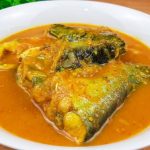
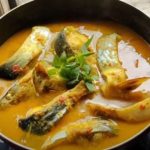
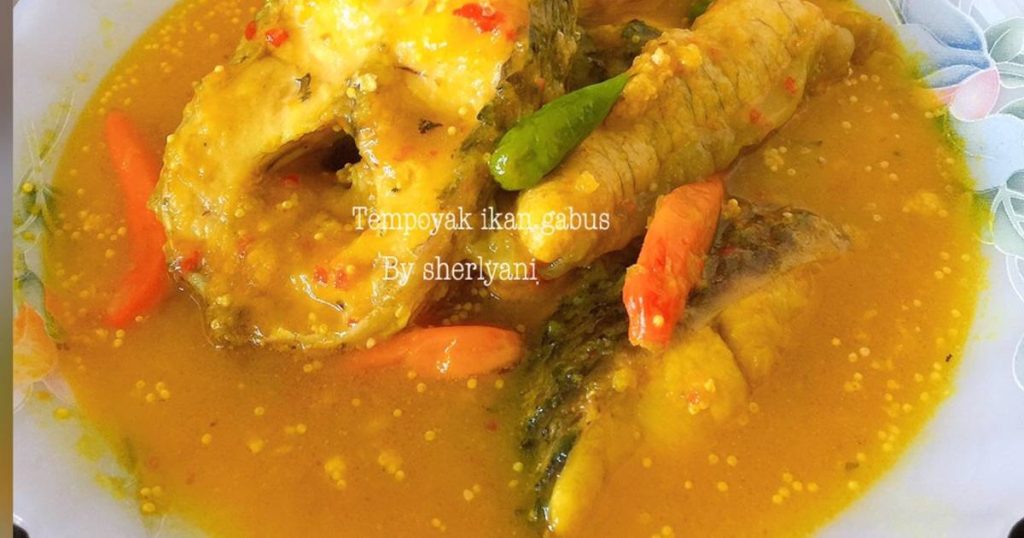
As the fish cooks, the flavors of the tempoyak, the spices, and the fish itself will meld into a rich, aromatic sauce. The broth will thicken slightly, and the aroma will become incredibly enticing. The color of the dish will be a beautiful golden-orange hue, thanks to the turmeric.
Some variations of this dish might include the addition of other ingredients to enhance the flavor or texture. For instance, a splash of tamarind juice can be added towards the end of cooking to amplify the sourness, if desired. Some cooks also add sliced tomatoes for a touch of acidity and freshness, or even a few kaffir lime leaves for an extra citrusy aroma.
Serving Tempoyak Ikan Gabus Pindang is usually done hot. It is traditionally paired with steamed white rice. The fluffy, neutral rice is the perfect complement to the intensely flavored fish and broth, acting as a palate cleanser and a delicious base for the rich sauce.
The aroma that fills the kitchen as this dish simmers is truly captivating. It’s a complex scent profile, with the pungent notes of durian dancing with the fragrant spices like lemongrass and galangal, all underscored by the savory notes of the fish and broth. It’s an olfactory experience that prepares you for the unique taste that awaits.
The taste itself is an adventure. The initial impression might be the savory and slightly sour broth, followed by the tender, flaky texture of the ikan gabus. Then, the distinctive flavor of tempoyak emerges – a complex, fermented taste that is both tangy and subtly sweet, with a pungent depth that is unlike anything else. It’s a flavor that lingers on the palate, inviting another bite.
For those new to tempoyak, it’s advisable to start with a smaller portion of the fish and broth, gradually increasing as your palate adjusts. The intensity of the tempoyak can be quite potent, and finding the right balance that suits your preference is part of the enjoyment.
The nutritional benefits of this dish are also noteworthy. Ikan gabus is a good source of protein and omega-3 fatty acids. Durian, while often associated with its strong smell, is also rich in vitamins, minerals, and fiber. The combination of these ingredients, along with the various spices, creates a dish that is not only flavorful but also offers nutritional value.
Preservation techniques like fermentation, as seen in tempoyak, have been vital in Indonesian cuisine for centuries, allowing communities to store food and create unique flavor profiles. Tempoyak Ikan Gabus Pindang is a prime example of this culinary wisdom, transforming seasonal produce and readily available fish into a beloved dish.
Exploring regional variations can add another layer of discovery. While the core ingredients remain similar, different regions might have subtle differences in the spice blend, the fermentation period of the tempoyak, or the inclusion of additional local ingredients. This diversity is what makes Indonesian cuisine so rich and fascinating.
To truly appreciate Tempoyak Ikan Gabus Pindang, it’s important to approach it with an open mind and an adventurous palate. It’s a dish that challenges conventional flavor expectations and rewards the diner with a unique and memorable culinary experience.
The visual appeal of the dish is also significant. The golden-orange broth, dotted with pieces of white fish and perhaps flecks of chili, is inviting. The aroma, as mentioned, is a powerful precursor to the taste, building anticipation for the complex flavors.
When considering the ingredients, freshness is paramount. The quality of the durian for the tempoyak, the freshness of the ikan gabus, and the vibrancy of the spices all contribute to the final outcome. Sourcing good quality ingredients will elevate the dish from good to exceptional.
The cooking process itself is relatively straightforward, making it accessible even for home cooks. The key lies in understanding the role of each ingredient and allowing sufficient time for the flavors to develop through simmering.
Mastering the art of tempoyak fermentation, if done at home, is a skill in itself. It requires patience and attention to detail, ensuring proper hygiene to prevent spoilage and achieve the desired tangy flavor without being overly ammoniated.
Ultimately, Tempoyak Ikan Gabus Pindang is more than just a meal; it’s a cultural experience. It’s a dish that tells a story of tradition, resourcefulness, and the bold exploration of flavors that defines Indonesian gastronomy. It invites you to step outside your comfort zone and discover a world of taste that is truly unique.
The lingering aftertaste is a testament to the dish’s complexity. It’s not a flavor that disappears quickly but rather evolves, leaving a pleasant warmth and a subtle tanginess that encourages contemplation of the culinary journey you’ve just experienced.
For those who are already fans of fermented foods or pungent flavors, Tempoyak Ikan Gabus Pindang will likely be an instant hit. For newcomers, it’s a journey of discovery, a chance to expand your culinary horizons and appreciate the incredible diversity of flavors found in Southeast Asian cuisine.
The practice of using fermented ingredients like tempoyak highlights a deep understanding of food preservation and flavor enhancement that has been passed down through generations. It’s a culinary heritage that deserves to be celebrated and shared.
In conclusion, the preparation of Tempoyak Ikan Gabus Pindang is a rewarding culinary endeavor. From the careful fermentation of durian to the aromatic simmering of snakehead fish in a spiced broth, every step contributes to a dish that is rich in flavor, culture, and tradition. It is a true Indonesian delicacy that promises a unique and unforgettable dining experience.