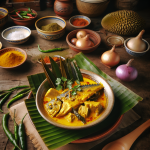
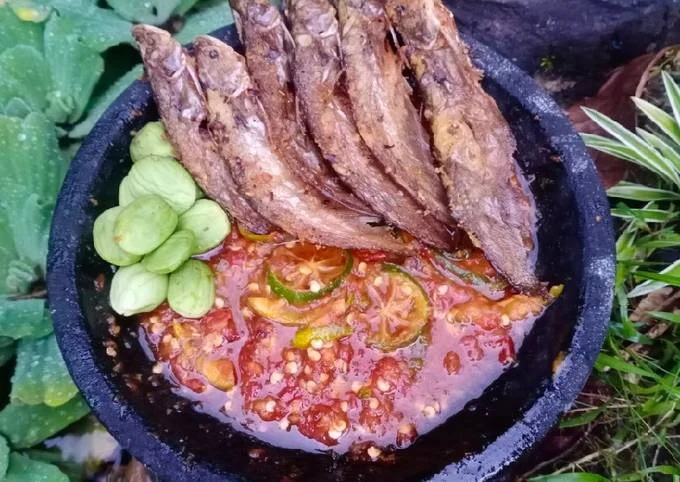

The star ingredients, tempoyak and ikan lais, are central to this dish’s identity. Tempoyak, derived from the King of Fruits, durian, undergoes a fermentation process that mellows its initial overpowering aroma and develops a tangy, slightly sour, and deeply savory profile. This fermentation is a traditional method of food preservation and flavor enhancement, common in many Southeast Asian cultures. The specific type of durian used and the duration of fermentation significantly influence the final taste, making each batch of tempoyak potentially unique.
Ikan lais, a type of freshwater catfish, is prized for its tender, white flesh and relatively few bones, making it an ideal candidate for frying. Its mild flavor serves as an excellent canvas, allowing the bold notes of the tempoyak to shine through without being overshadowed. The choice of ikan lais is not arbitrary; its texture and ability to absorb flavors are crucial to the success of this dish.
The ‘goreng krispi’ aspect refers to the crispy frying technique. This involves coating the fish in a seasoned batter or flour mixture before frying it to a golden-brown crisp. The crispiness provides a delightful textural contrast to the soft, flavorful tempoyak paste, creating a multi-sensory dining experience. Achieving the perfect crispiness requires attention to oil temperature and frying time, ensuring the fish is cooked through while maintaining its crunchy exterior.
Embarking on the journey to create Resep Tempoyak Ikan Lais Goreng Krispi requires an understanding of its origins and the cultural significance of its components. This dish is often found in the culinary landscapes of Palembang, Jambi, and Bengkulu in Sumatra, where tempoyak is a staple ingredient in various forms.
The preparation of tempoyak itself is a labor of love. Ripe durian flesh is mashed and placed in an airtight container, often a clay pot, and left to ferment for several days to weeks. During this time, natural yeasts and bacteria work their magic, transforming the fruit into a distinctly pungent yet delicious condiment. The resulting paste is a cornerstone of many Sumatran dishes, adding a unique umami depth.
For the ikan lais, freshness is key. Once sourced, the fish is typically cleaned, scaled, and sometimes cut into manageable pieces. The preparation often involves marinating the fish briefly to impart initial flavors before it’s coated for frying.
The crispy coating is where much of the textural magic happens. A common approach involves a batter made from rice flour, cornstarch, and a blend of spices like turmeric, coriander, and garlic powder. This mixture ensures a light, airy, and shatteringly crisp crust that adheres well to the fish.
The fusion of tempoyak and ikan lais is where the true artistry lies. The tempoyak paste is not simply spooned over the fish; it’s often incorporated into a flavorful sauce or stir-fried mixture that complements the crispy fish. This sauce typically includes aromatics like shallots, garlic, chilies, and sometimes lemongrass and turmeric, all sautéed to release their fragrant oils.
A balanced tempoyak sauce is crucial. The fermentation process lends a natural sourness, which is often balanced with a touch of sweetness from palm sugar and a savory depth from fish sauce or shrimp paste (terasi). The heat from chilies can be adjusted to personal preference, ranging from a mild warmth to a fiery kick.
The process of combining the crispy fish with the tempoyak sauce is often done just before serving. This ensures the fish retains its crispiness. The sauce might be spooned over the fish, or the fish might be served alongside, allowing diners to mix and match with each bite.
Let’s delve into a foundational recipe for Resep Tempoyak Ikan Lais Goreng Krispi. This is a guide, and like many traditional recipes, it allows for considerable personalization based on available ingredients and regional variations.
Ingredients for the Crispy Ikan Lais:
- 500g fresh ikan lais (catfish), cleaned and cut into pieces
- 1 cup rice flour
- 1/4 cup cornstarch
- 1 teaspoon salt
- 1/2 teaspoon white pepper
- 1/2 teaspoon garlic powder
- 1/4 teaspoon turmeric powder
- Water, as needed for batter
- Vegetable oil, for deep frying
Ingredients for the Tempoyak Sauce:
- 3-4 tablespoons tempoyak paste (adjust to taste)
- 2 tablespoons vegetable oil
- 3 shallots, thinly sliced
- 2 cloves garlic, minced
- 1-2 bird’s eye chilies, thinly sliced (or to taste)
- 1 stalk lemongrass, bruised
- 1/2 teaspoon turmeric paste or powder
- 1 tablespoon palm sugar (or to taste)
- 1 teaspoon fish sauce or shrimp paste (terasi), optional
- 100ml water
- Salt, to taste
Instructions for Preparing the Crispy Ikan Lais:
- Prepare the Fish: Ensure the ikan lais is thoroughly cleaned and pat dry. You can marinate it with a pinch of salt and pepper for about 15 minutes if desired.
- Make the Batter: In a bowl, combine rice flour, cornstarch, salt, white pepper, garlic powder, and turmeric powder. Gradually add water, whisking until you achieve a thick but pourable batter consistency. It should coat the back of a spoon.
- Coat the Fish: Dip each piece of ikan lais into the batter, ensuring it’s fully coated.
- Heat the Oil: In a wok or deep pot, heat a generous amount of vegetable oil over medium-high heat. The oil should be hot enough for frying (around 170-180°C or 340-350°F).
- Fry the Fish: Carefully place the battered fish pieces into the hot oil, ensuring not to overcrowd the pot. Fry for about 5-7 minutes, or until golden brown and crispy. Turn the pieces occasionally for even cooking.
- Drain the Fish: Once crispy, remove the fish from the oil using a slotted spoon and place them on a wire rack or paper towels to drain excess oil.
Instructions for Preparing the Tempoyak Sauce:
- Sauté Aromatics: Heat 2 tablespoons of vegetable oil in a separate pan over medium heat. Add the sliced shallots and cook until softened and fragrant.
- Add Garlic and Chilies: Stir in the minced garlic and sliced chilies. Sauté for another minute until the garlic is golden.
- Incorporate Tempoyak and Spices: Add the tempoyak paste, bruised lemongrass, and turmeric. Stir well and cook for 2-3 minutes, allowing the flavors to meld and the tempoyak to soften.
- Add Liquids and Seasoning: Pour in the water. Add palm sugar and fish sauce (if using). Stir until the sugar dissolves.
- Simmer the Sauce: Bring the sauce to a gentle simmer. Cook for about 5-7 minutes, stirring occasionally, until the sauce thickens slightly and the flavors are well combined. Taste and adjust seasoning with salt and more palm sugar if needed. Remove the lemongrass stalk before serving.
Assembling the Dish:
There are a few ways to serve this delightful dish. You can:
- Option 1: Sauced Fish: Gently pour the prepared tempoyak sauce over the crispy ikan lais just before serving. Ensure the sauce coats the fish without making it soggy.
- Option 2: Side Sauce: Serve the crispy ikan lais on a platter and pour the tempoyak sauce into a separate small bowl on the side. This allows diners to spoon the sauce over their fish as they eat, preserving maximum crispiness.
- Option 3: Stir-fried Combination: For a more integrated flavor, you can gently toss the crispy fish with the tempoyak sauce in the pan for a very brief moment right before serving. This requires careful handling to maintain some crispiness.
The choice of serving method depends on personal preference and how quickly the dish will be consumed. For immediate enjoyment and maximum textural contrast, the side sauce option is often preferred.
Serving Resep Tempoyak Ikan Lais Goreng Krispi is typically done with steamed white rice. The plain, fluffy rice acts as a perfect counterpoint to the complex flavors and textures of the fish and sauce, absorbing any excess sauce and providing a comforting base.
Accompanying side dishes can enhance the meal. Simple steamed or blanched greens like kangkung (water spinach) or bok choy offer a refreshing contrast. A simple sambal, perhaps a sambal terasi or sambal matah, can be offered for those who desire an extra layer of heat and spice.
The aroma of this dish is undeniably unique. The initial pungent notes of the fermented durian are softened by the cooking process, mingling with the savory garlic, shallots, and chilies. The fried fish adds a comforting, slightly oily aroma that is universally appealing.
The taste profile is a complex dance of flavors. You’ll experience the initial crunch of the crispy fish, followed by its tender, flaky texture. Then comes the tempoyak – its sourness, its umami, its subtle sweetness, and its lingering, complex fermented character. The spices in the sauce tie everything together, creating a harmonious and addictive combination.
For those new to tempoyak, the flavor can be an acquired taste. Its distinctive fermented profile is unlike anything else. However, when expertly balanced with the other ingredients, it transforms into a deeply satisfying and craveable element. It’s a testament to Indonesian culinary ingenuity, where simple ingredients are elevated through fermentation and skillful cooking.
Variations of this dish exist across different regions. Some might add coconut milk to the tempoyak sauce for a creamier texture, while others might incorporate different types of chilies or herbs like galangal. The type of fish used can also vary, though ikan lais remains a popular choice.
The success of this recipe hinges on the quality of the tempoyak. If you can’t find pre-made tempoyak, you can attempt to make it at home, though this requires patience and access to ripe durian. Ensure the tempoyak you use is well-fermented but not overly spoiled.
When it comes to sourcing ikan lais, look for fresh specimens. If fresh is unavailable, frozen can be used, but ensure it’s thawed properly and patted dry before frying.
The crispy coating can be enhanced. Some recipes call for adding a pinch of baking soda to the batter for extra crispiness, or even a splash of soda water for a lighter texture. Experimentation is key to finding your preferred crispiness level.
For a healthier twist, consider air-frying the fish after coating it. While it may not achieve the same deep crispiness as deep-frying, it significantly reduces oil consumption. The tempoyak sauce can still be prepared as usual.
Storage of leftover components is important. The tempoyak sauce can typically be stored in an airtight container in the refrigerator for 2-3 days. The crispy fish is best consumed immediately, as its crispiness diminishes over time. Reheating can make it somewhat softer.
In conclusion, Resep Tempoyak Ikan Lais Goreng Krispi is a dish that embodies the spirit of Indonesian culinary exploration. It’s a celebration of bold flavors, traditional techniques, and the harmonious marriage of seemingly disparate ingredients. The combination of pungent, fermented durian with delicately crispy fried catfish offers a dining experience that is both challenging and immensely rewarding.
Mastering this recipe allows you to bring a taste of authentic Sumatran cuisine into your own kitchen. It’s an opportunity to explore the unique world of tempoyak and appreciate the depth and diversity of Indonesian food. So, gather your ingredients, embrace the adventure, and prepare to be delighted by the unforgettable flavors of Tempoyak Ikan Lais Goreng Krispi.