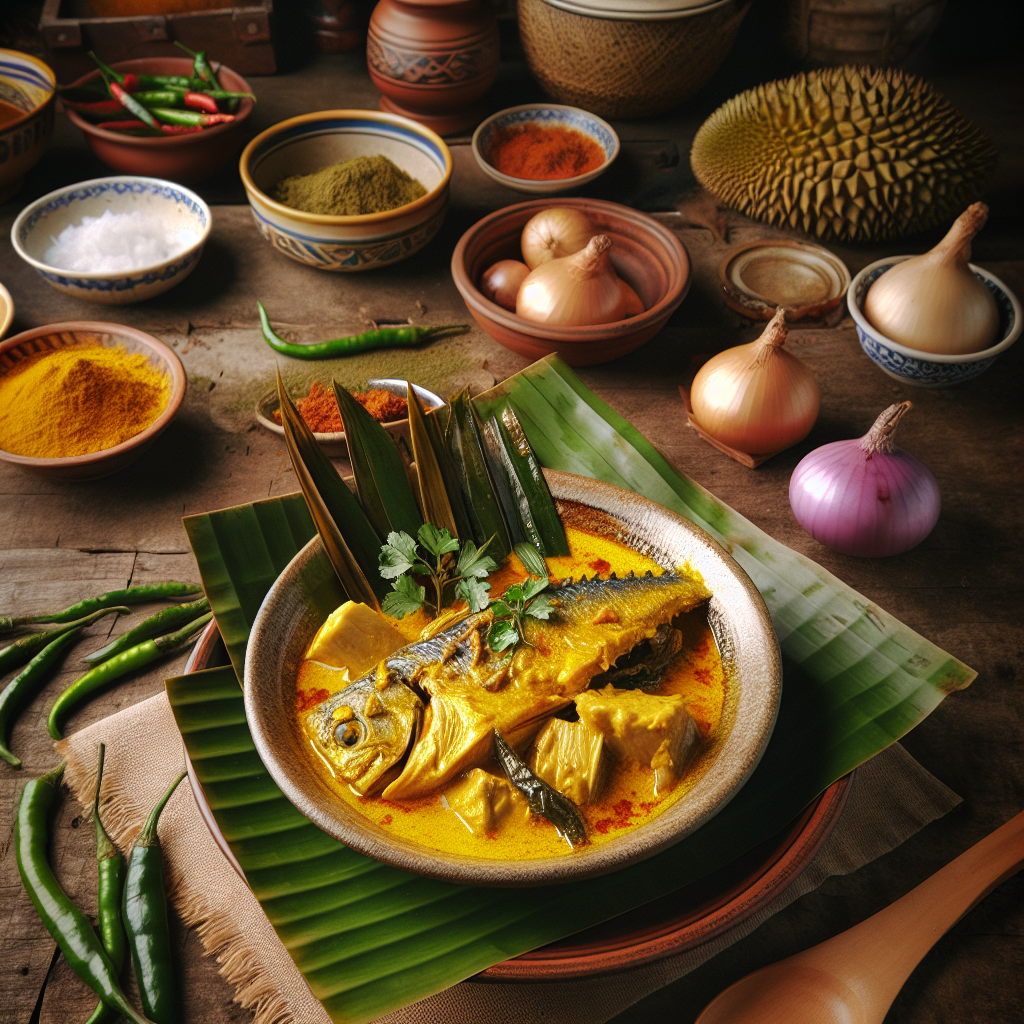
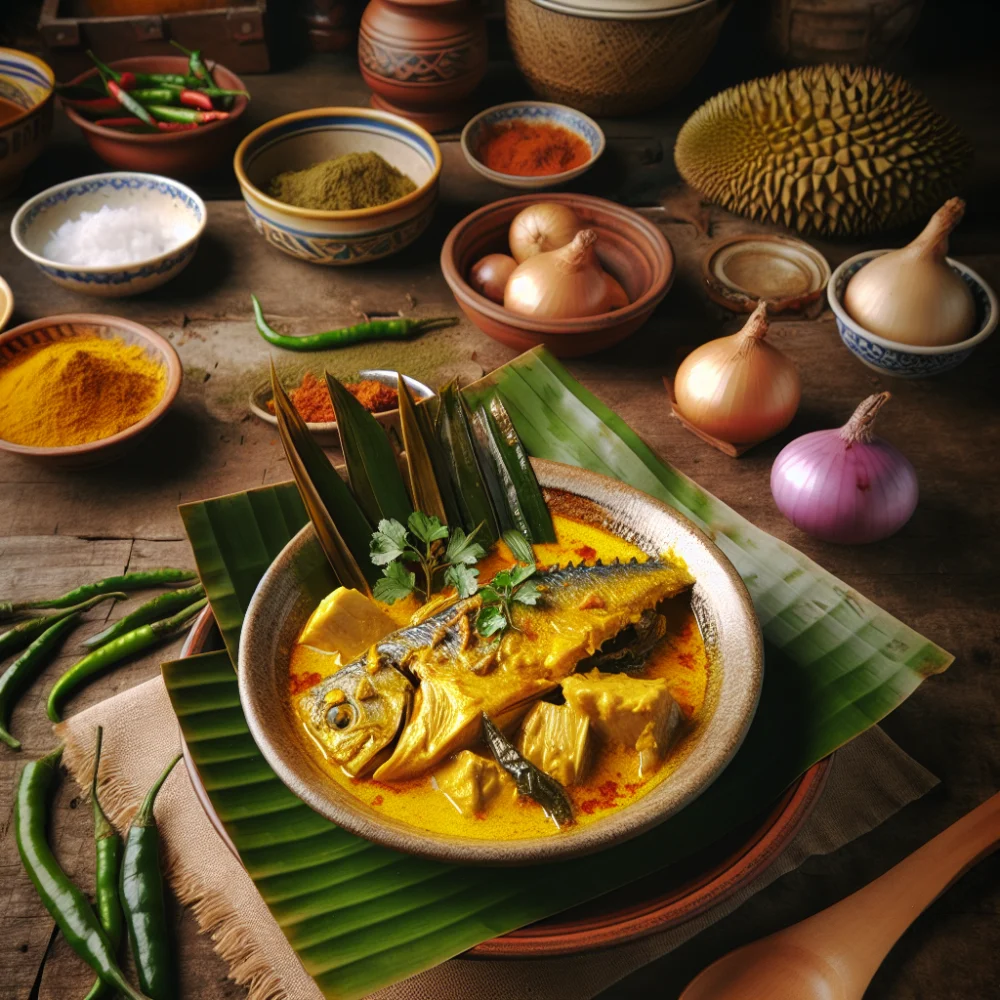

The journey of creating a truly exceptional Tempoyak Ikan Belida Gulai begins long before the cooking process itself. It starts with the careful selection of each key ingredient, as the quality and freshness of these components will directly influence the final outcome. This meticulous approach ensures that every spoonful is a delightful experience, honoring the authentic flavors of this traditional dish.
Let’s delve into the star of the show: Tempoyak. This is essentially fermented durian, a process that transforms the pungent fruit into a condiment with a unique sour and savory profile. The quality of the durian used is paramount. Opt for ripe, sweet durian that has a pleasant aroma, not one that is overly fermented or spoiled. The fermentation process itself usually takes a few days to a week, depending on the desired level of sourness. Properly fermented tempoyak should have a distinct tang without being overwhelmingly ammoniated. It should be stored in an airtight container in the refrigerator to slow down further fermentation.
When selecting Ikan Belida (Featherback fish), look for fresh specimens. The flesh should be firm, the eyes clear, and the gills bright red. Belida fish is prized for its tender, slightly sweet, and flaky meat, which holds up well in curries without disintegrating. If Belida is unavailable, other firm white fish like seabass or even catfish can be used as a substitute, though the authentic flavor profile will be slightly altered.
The Gulai paste is the soul of the curry. A well-balanced paste requires a blend of fresh aromatics and spices. Key components typically include shallots, garlic, ginger, galangal, turmeric, chilies (fresh and dried), lemongrass, and belacan (shrimp paste). The quality of these spices significantly impacts the depth and complexity of the gulai. Freshly ground spices will always yield a more vibrant flavor than pre-ground varieties.
Coconut milk is another crucial element. Use fresh, thick coconut milk for the richest flavor and creamiest texture. If using canned coconut milk, ensure it’s of good quality and has a high fat content. The balance between the thick and thin coconut milk (if using two stages) will determine the richness of the curry. A good gulai should have a luscious, emulsified consistency.
Preparing the tempoyak for the gulai often involves rinsing it lightly to remove excess liquid and any seeds, depending on personal preference and the fermentation stage. Some cooks prefer to lightly sauté the tempoyak with a little oil before adding it to the curry to mellow its pungency and enhance its savory notes. This step is optional but can lead to a more nuanced flavor profile.
Once the paste is well-cooked, the tempoyak is typically added and sautéed briefly with the paste. This allows the flavors to meld and the tempoyak to soften further. Some recipes might add a small amount of water or tamarind paste at this stage to help loosen the mixture.
Next, the Ikan Belida pieces are introduced. It’s important not to stir too vigorously after adding the fish to prevent it from breaking apart. Gently nestle the fish into the simmering paste and tempoyak mixture. Allow the fish to cook through in the simmering curry.
The coconut milk is then added. Start with the thicker portion of the coconut milk to achieve a rich gravy. Bring the curry to a gentle simmer, not a rolling boil, as boiling can cause the coconut milk to split. Stir occasionally to ensure even cooking and to prevent sticking.
Seasoning is an art form in itself. The saltiness will primarily come from the belacan and any added salt. Sugar is often used to balance the sourness of the tempoyak and the spiciness of the chilies. Taste and adjust as you go, aiming for a harmonious blend of sour, spicy, savory, and slightly sweet notes. Some might add a touch of tamarind for extra tang or a pinch of MSG for enhanced umami, though this is optional.
Aromatic additions can elevate the dish further. Many recipes include ingredients like kaffir lime leaves, turmeric leaves, and bunga kantan (torch ginger flower). These impart a distinct fragrance and subtle floral notes that complement the richness of the gulai and the pungency of the tempoyak.
The consistency of the gulai is a matter of preference. Some prefer a thick, rich gravy that clings to the fish, while others enjoy a slightly thinner, more soupy consistency. This can be adjusted by the amount of coconut milk used or by simmering the curry for a longer period to reduce the liquid.
Cooking time for the fish is relatively short. Ikan Belida cooks quickly, usually within 10-15 minutes once added to the simmering curry. Overcooking will result in dry, tough fish, so keep a close eye on it. The fish is done when it flakes easily with a fork.
Serving suggestions are vital for the complete experience. Tempoyak Ikan Belida Gulai is best served hot, alongside steamed white rice. The plainness of the rice acts as a perfect canvas for the complex flavors of the curry. Some also enjoy it with a side of fresh cucumber or other raw vegetables to provide a cooling contrast.
Variations exist across different regions and households. Some might add other vegetables like eggplant or long beans to the gulai. Others might adjust the spice level by increasing or decreasing the amount of chilies. The type of durian used and its fermentation period will also significantly influence the final taste.
Troubleshooting common issues is part of the learning process. If the gulai is too sour, you can balance it with a little more sugar or a touch of sweetness from grated coconut. If it’s too bland, a bit more belacan or salt can help. If the coconut milk splits, reduce the heat immediately and stir gently; sometimes, a splash of water can help emulsify it again.
Storage and reheating: Leftover Tempoyak Ikan Belida Gulai can be stored in an airtight container in the refrigerator for up to 2-3 days. Reheat gently over low heat, adding a splash of water or coconut milk if the curry has thickened too much. Be aware that the flavors may intensify upon reheating.
The cultural significance of this dish cannot be overstated. It represents a connection to heritage, often passed down through generations. The act of preparing and sharing Tempoyak Ikan Belida Gulai is a communal experience, fostering bonds and preserving culinary traditions.
Exploring different types of chilies can offer a spectrum of heat and flavor. Bird’s eye chilies provide intense heat, while dried chilies offer a deeper, smokier flavor. A combination of both often yields the best results. Adjust the quantity based on your spice tolerance.
The role of lemongrass and galangal: These aromatics are key to the fragrant profile of Southeast Asian curries. Lemongrass adds a citrusy note, while galangal provides a sharper, more pungent flavor distinct from ginger. Bruising them before adding releases their essential oils.
Turmeric’s dual role: Beyond its vibrant color, fresh turmeric root adds a unique earthy flavor to the gulai paste. If using turmeric powder, ensure it’s fresh for the best taste and color.
The umami bomb: Belacan. This fermented shrimp paste is indispensable for authentic Southeast Asian curries. Toasting the belacan lightly before grinding it can mellow its intensity and enhance its savory depth. However, use it judiciously, as it is quite potent.
The sour counterpoint: Tamarind. While tempoyak provides sourness, a small amount of tamarind paste (asam jawa) can add a different dimension of tanginess, cutting through the richness of the coconut milk and balancing the overall flavor profile.
Patience in paste preparation. The process of grinding or blending the paste ingredients should be thorough. A smooth paste ensures that the flavors meld seamlessly into the curry, creating a cohesive and delicious final dish.
The art of ‘pecah minyak’ revisited. This step is crucial for flavor development and texture. It allows the spices to cook thoroughly, releasing their aromatic oils and creating a stable base for the curry. Cooking until the paste is fragrant and the oil appears on the surface is a sign it’s ready.
Gentle simmering is key once the coconut milk is added. High heat can cause the coconut milk to curdle or separate, resulting in an undesirable texture. A low, steady simmer allows the flavors to meld beautifully without compromising the integrity of the curry.
The final garnish: While not always traditional for this specific dish, a sprinkle of fresh cilantro or a few kaffir lime leaves can add a touch of freshness and visual appeal. However, the authentic flavors of the tempoyak and gulai should remain the focus.
Understanding the ‘tempoyak’ element is essential. Its strong, fermented flavor can be polarizing. For newcomers, starting with a smaller amount of tempoyak and gradually increasing it in subsequent attempts can help acclimatize the palate to its unique taste. It’s an acquired taste that, once appreciated, is incredibly rewarding.
The Belida fish’s texture. Its delicate nature means it cooks fast. Adding it towards the end of the cooking process and stirring minimally ensures that the fish remains moist and flaky, providing a delightful contrast to the rich curry sauce.
Balancing the flavors is the ultimate goal. The interplay between the sourness of the tempoyak, the heat of the chilies, the richness of the coconut milk, and the savory depth of the spices creates a complex and satisfying dish. Each component must be in harmony.
Experimentation is encouraged. While traditional recipes provide a solid foundation, don’t be afraid to tweak the spice levels, adjust the sourness, or experiment with different aromatic leaves. The best Tempoyak Ikan Belida Gulai is often the one that best suits your personal palate.
In conclusion, preparing Tempoyak Ikan Belida Gulai is a culinary endeavor that rewards patience, attention to detail, and a willingness to embrace bold flavors. By understanding the nuances of each ingredient and the techniques involved, you can unlock the secrets to creating a truly authentic and unforgettable dish that honors its rich heritage.