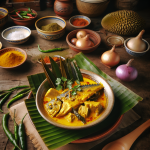
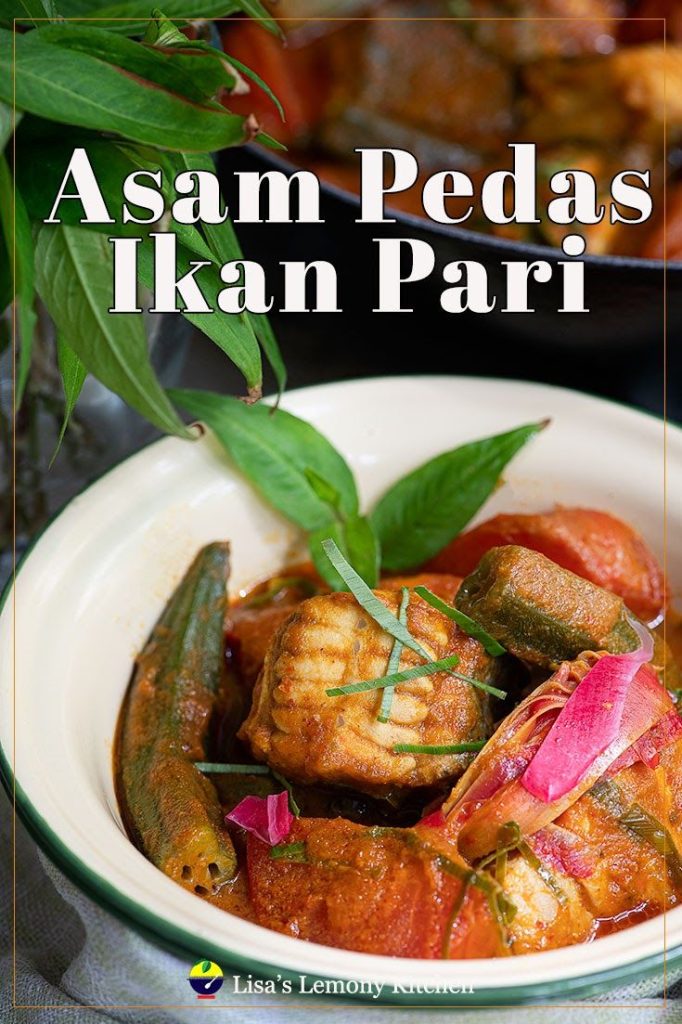

The star of this dish, ikan pari asap, or smoked stingray, offers a unique texture and flavor profile. Smoking is a traditional method of preserving fish, particularly in coastal communities. The process imbues the fish with a distinct smoky aroma that is both comforting and complex. When selecting your ikan pari asap, look for pieces that are firm to the touch, with a pleasant smoky scent that isn’t overpowering. The quality of the smoked fish is paramount to the success of the Asam Pedas.
The ‘asam’ in Asam Pedas refers to the sour element, traditionally derived from tamarind (asam jawa). Tamarind paste provides a bright, tangy counterpoint to the richness of the fish and the heat of the chilies. The amount of tamarind used can be adjusted to personal preference, but a good balance is key to achieving that signature sourness without it becoming acrid.
Spiciness is another defining characteristic of Asam Pedas. Dried chilies (cili kering) form the base of the chili paste, providing a deep, complex heat. Fresh red chilies (cili merah) are often added for a brighter, sharper spice. The intensity can be moderated by adjusting the quantity of chilies and removing their seeds, but a certain level of heat is essential for the dish’s identity.
Beyond the core ingredients, a melange of aromatic spices and herbs elevates Asam Pedas to new heights. Shallots (bawang merah) and garlic (bawang putih) form the foundation of the spice paste, offering sweetness and pungency. Ginger (halia) and galangal (lengkuas) contribute warm, peppery notes, while turmeric (kunyit) adds both a vibrant color and a subtle earthy flavor.
The preparation of the spice paste, or pes, is a crucial step. Traditionally, these ingredients are ground using a mortar and pestle (lesung batu), a method that releases their essential oils more effectively, leading to a more fragrant and flavorful paste. Modern cooks may opt for a blender or food processor, but the principle remains the same: a finely ground, aromatic paste.
A key ingredient that distinguishes many Asam Pedas variations is bunga kantan, or torch ginger flower. This unique ingredient imparts a distinctive floral, citrusy, and slightly spicy aroma that is incredibly refreshing and complex. Sliced thinly, it adds a fragrant dimension that complements the other spices beautifully.
Another essential herb is Vietnamese mint (daun kesum). Its slightly peppery and pungent flavor adds a fresh, herbaceous note that cuts through the richness of the dish. It’s typically added towards the end of the cooking process to preserve its vibrant flavor and aroma.
The cooking process itself is a dance of flavors. The spice paste is sautéed until fragrant, a process known as ‘pecah minyak’ (breaking the oil), which signifies that the paste has cooked sufficiently and its flavors have deepened. This step is critical for developing the base flavor of the curry.
Once the paste is well-cooked, water or stock is added to create the broth. The tamarind water is then incorporated, followed by the smoked stingray. The fish is simmered gently, allowing it to absorb the complex flavors of the broth without becoming overcooked or mushy.
The addition of vegetables is common, with okra (bendi) being a popular choice. Okra absorbs the flavors of the broth wonderfully and adds a pleasant texture. Other vegetables like tomatoes can also be included for a touch of sweetness and acidity.
Seasoning is a matter of balance. Salt is essential, and a pinch of sugar might be used to round out the flavors, especially if the tamarind is particularly tart or the chilies are very spicy. Taste and adjust as you go; this is where the cook’s intuition comes into play.
Asam Pedas Ikan Pari Asap is best served hot, accompanied by steamed white rice. The fluffy rice is the perfect vehicle to soak up the flavorful, spicy, and sour broth. A dollop of sambal belacan on the side can be an optional, but highly recommended, addition for those who crave an extra layer of heat and umami.
The visual appeal of Asam Pedas is undeniable. The vibrant orange-red hue of the broth, studded with pieces of smoky fish and green vegetables, is a feast for the eyes. The aroma that wafts from the dish is equally enticing, promising a rich and satisfying culinary experience.
Variations of Asam Pedas abound across Malaysia, with each region and household boasting its own unique twist. Some might add a touch of coconut milk for a creamier rendition, while others might incorporate different types of fish or seafood. However, the core elements of sourness, spiciness, and aromatic spices remain constant.
For those new to cooking Asam Pedas, starting with a well-balanced recipe is recommended. Pay close attention to the sautéing of the spice paste, as this is where much of the flavor is developed. Don’t be afraid to adjust the chili and tamarind levels to suit your palate.
The choice of chilies significantly impacts the final dish. Dried chilies offer a deep, earthy heat, while fresh chilies provide a brighter, more immediate spice. Experimenting with different combinations can lead to a personalized flavor profile.
The smoky flavor of the stingray is a key component. If fresh stingray is used, it can be lightly grilled or pan-fried before adding to the curry to impart a smoky essence. However, using pre-smoked stingray is the most straightforward approach.
When preparing the tamarind paste, ensure it is smooth and free of seeds and pulp. This will contribute to a cleaner, more refined broth.
The cooking time for the fish is relatively short. Overcooking can lead to a dry, tough texture. The fish should be tender and flaky, easily separating into pieces.
Freshness of ingredients is paramount. Using fresh herbs like daun kesum and bunga kantan will significantly enhance the aroma and taste of the dish.
Asam Pedas Ikan Pari Asap is a dish that celebrates the bounty of the sea and the richness of Malaysian spices. It’s a dish that brings people together, sharing a common love for bold, authentic flavors.
The culinary journey of Asam Pedas is one of discovery. Each bite offers a complex interplay of tastes and textures, a testament to the skill and tradition behind its creation.
Mastering this dish requires patience and practice, but the reward is a truly authentic and deeply satisfying meal. The lingering warmth of the spices and the tangy zest of the tamarind create a memorable culinary experience.
Consider the sourcing of your ingredients. Local markets often provide the freshest produce and spices, contributing to a more authentic flavor profile.
The ‘pecah minyak‘ stage is non-negotiable. Rushing this step will result in a raw, unpleasant taste in the spice paste.
The heat level can be adjusted by the type and quantity of chilies used. For a milder version, deseed the chilies thoroughly. For a spicier kick, leave some seeds in or add bird’s eye chilies.
The sourness can be controlled by the amount of tamarind paste used. Start with a smaller amount and add more gradually until the desired tanginess is achieved.
The finishing touches, such as the addition of bunga kantan and daun kesum, are what elevate this dish from good to exceptional. These herbs provide aromatic complexity and a refreshing contrast.
Serving Asam Pedas with fluffy white rice is traditional. The rice acts as a palate cleanser and a comforting base for the robust flavors of the curry.
This dish is often enjoyed during family gatherings and special occasions, symbolizing warmth, hospitality, and shared culinary traditions.
The act of preparing Asam Pedas can be as rewarding as eating it, a meditative process of blending flavors and aromas.
Embrace the complexity and depth of flavors. Asam Pedas Ikan Pari Asap is a dish that truly embodies the spirit of Malaysian cuisine – bold, vibrant, and utterly delicious.