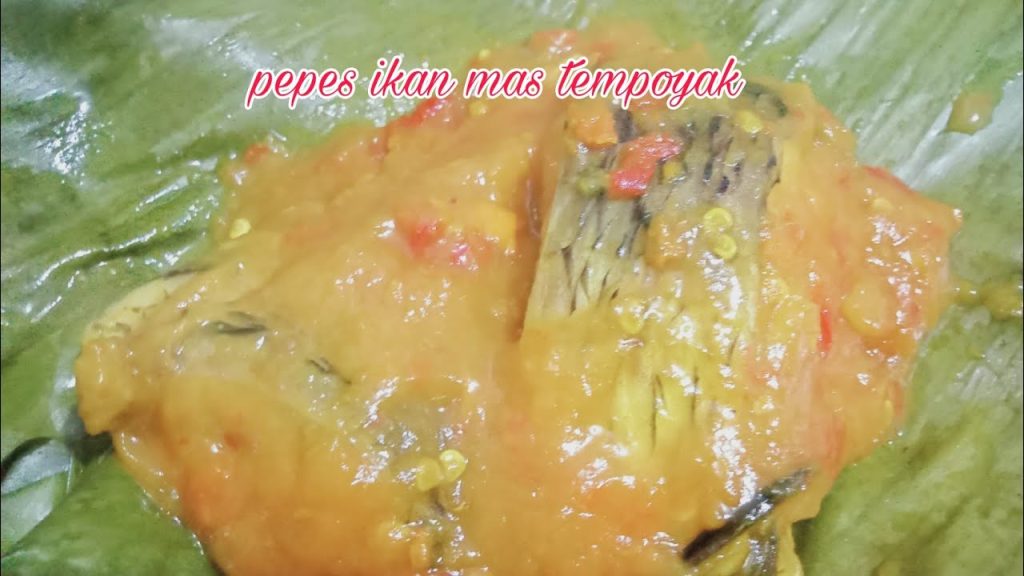

The magic of Pepes Ikan Mas with Tempoyak lies in its intricate balance of flavors and textures. The carp, known for its firm yet tender flesh, becomes incredibly succulent after being steamed within the banana leaf parcel. The Tempoyak, with its pungent aroma and complex umami taste, provides a delightful counterpoint to the fish, cutting through any potential richness and adding a layer of depth that is both challenging and rewarding to achieve.
Creating this dish is more than just cooking; it’s an experience. It involves careful preparation, understanding the nuances of each ingredient, and mastering the steaming technique. Whether you are a seasoned chef or a home cook looking to explore Indonesian cuisine, this guide will walk you through every step, ensuring a delicious and authentic result.
Let’s begin with the star of the show: the Ikan Mas, or carp. For the best results, select fresh, medium-sized carp. The size is important because it ensures the fish cooks evenly within the banana leaf. Look for fish with clear, bright eyes and firm, shiny flesh. Avoid fish that smells overly fishy or has dull, sunken eyes, as these are signs of staleness.
Before cooking, thoroughly clean the carp. Remove the scales, gills, and internal organs. Rinse the fish under cold running water, both inside and out, and pat it dry with paper towels. Some recipes suggest making shallow slashes on the sides of the fish; this allows the marinade to penetrate deeper and ensures more even cooking.
The heart of the flavor profile comes from the Tempoyak. Tempoyak is made by fermenting durian flesh, a process that can take several days to weeks, resulting in a paste with a strong aroma and a unique sour and savory taste. When selecting Tempoyak, choose one that has a pleasant, fermented aroma, not one that smells rotten. If you are making your own Tempoyak, ensure the fermentation process is complete but not overdone.
If fresh Tempoyak is not readily available, you can sometimes find it in jars at Asian grocery stores. Be aware that the flavor can vary significantly between brands and batches, so it’s always a good idea to taste a small amount before using it in your recipe to adjust the seasoning accordingly.
Beyond the fish and Tempoyak, a blend of aromatic spices forms the soul of the marinade. This typically includes shallots, garlic, chili peppers (adjust to your spice preference), turmeric for its vibrant color and earthy flavor, ginger for warmth, galangal for a citrusy note, and sometimes candlenuts for thickening the paste. Lemongrass and kaffir lime leaves are often added to the marinade or directly into the banana leaf parcel for an extra layer of fragrance.
To prepare the spice paste, pound or blend the shallots, garlic, chilies, turmeric, ginger, and galangal until a smooth paste is formed. This process, traditionally done with a mortar and pestle, releases the full aroma of the spices. If using a blender, you may need to add a small amount of oil or water to help the ingredients blend smoothly.
Once the spice paste is ready, it’s time to combine it with the Tempoyak. Mix the spice paste and Tempoyak thoroughly in a bowl. This mixture will be used to coat the fish. Taste the mixture and adjust the seasoning. You might need to add a pinch of salt or a touch of sugar, depending on the saltiness of your Tempoyak and your personal preference. Remember, Tempoyak itself is quite flavorful.
Now, carefully coat the cleaned carp with the Tempoyak and spice paste mixture. Ensure that the paste is spread evenly over the fish, both inside the cavity and on the outside. Gently rub the paste into the slashes you made on the fish’s sides. This step is crucial for infusing the fish with the complex flavors of the marinade.
The next step is wrapping the marinated fish in banana leaves. Banana leaves are essential for the authentic flavor and aroma of pepes. They impart a subtle sweetness and a distinct, earthy fragrance as they steam. Ensure your banana leaves are fresh and pliable. If they are stiff, you can briefly pass them over a low flame or dip them in hot water to make them more flexible and prevent tearing.
Place a marinated carp onto a piece of banana leaf. You can add additional aromatics on top of or inside the fish, such as a stalk of lemongrass, a few kaffir lime leaves, or a slice of tomato for moisture and flavor. Fold the banana leaf neatly to create a secure parcel, ensuring no liquid can escape during steaming. Secure the parcel with toothpicks or by tying it with kitchen twine.
The traditional cooking method for pepes is steaming. Place the banana leaf parcels in a steamer basket over boiling water. Ensure the water level is sufficient and that the steamer is covered tightly. Steam the fish for approximately 30-45 minutes, or until the fish is cooked through and tender. The exact steaming time will depend on the size of the fish and the heat of your steamer.
Steaming is preferred because it cooks the fish gently, preserving its moisture and allowing the flavors to meld beautifully. It also ensures that the delicate aroma of the banana leaf and spices is fully absorbed by the fish.
Alternatively, some people prefer to grill or pan-fry the banana leaf parcels after steaming, or even directly after marinating. Grilling adds a smoky char and a slightly crispy texture to the banana leaf exterior, which can be quite appealing. If grilling, medium heat is recommended to prevent burning the leaves too quickly before the fish is cooked.
When the pepes are ready, carefully remove them from the steamer or grill. Let them rest for a few minutes before unwrapping. The aroma that escapes as you open the banana leaf parcel is one of the most rewarding aspects of this dish – a complex bouquet of spices, fermented durian, and steamed fish.
Serve the Pepes Ikan Mas with Tempoyak hot. It is traditionally accompanied by steamed white rice, which is perfect for soaking up the flavorful juices. A side of fresh cucumber slices, some sambal (chili paste), or a simple clear vegetable soup can complement the richness of the pepes.
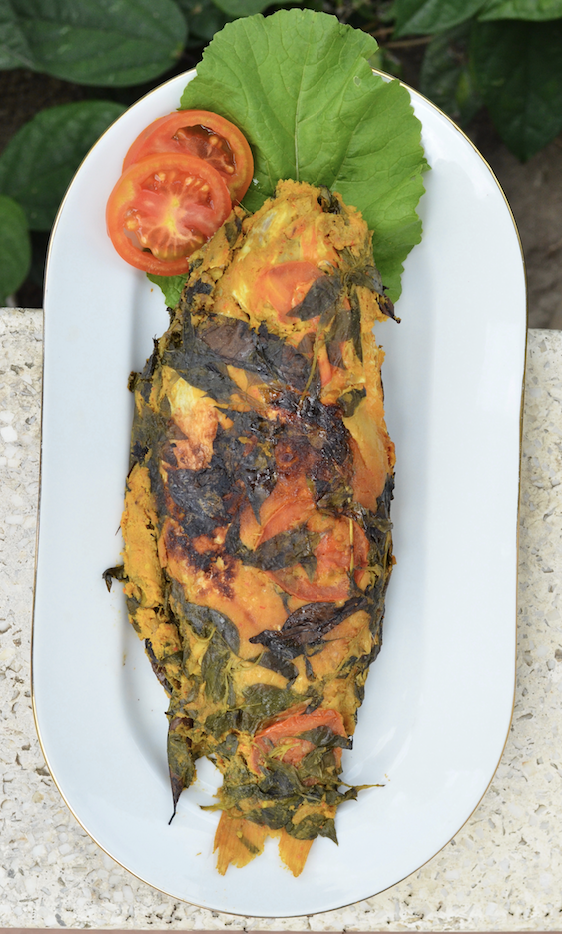
The beauty of Pepes Ikan Mas with Tempoyak lies not only in its taste but also in its presentation. The vibrant yellow of the turmeric-infused fish, encased in the green banana leaf, makes for an attractive dish that is both rustic and elegant.
Storage and reheating are also important considerations. Leftover Pepes can be stored in the refrigerator for up to 2-3 days. To reheat, it is best to steam them again or gently pan-fry them to retain moisture. Microwaving can sometimes dry out the fish.
Exploring variations of this dish can lead to even more culinary adventures. Some regions might add different types of fish, such as catfish or tilapia, to the pepes. Others might adjust the spice blend, incorporating ingredients like coriander seeds or shrimp paste (terasi) for an extra kick of umami.
The choice of chili peppers also plays a significant role. For a milder version, use fewer chilies or opt for those with less heat, like red bell peppers. For a spicier experience, incorporate bird’s eye chilies or other hot varieties.
The texture of the spice paste can also be manipulated. A finer paste will result in a smoother coating on the fish, while a coarser paste will offer a more rustic mouthfeel. This is largely a matter of personal preference and the tools available for preparation.
When sourcing ingredients, especially Tempoyak and fresh banana leaves, visiting local Asian markets or specialty food stores can be highly beneficial. These places often have the freshest produce and a wider variety of authentic ingredients.
For those concerned about the strong aroma of durian, rest assured that the fermentation and cooking process mellows it considerably, transforming it into a complex, savory flavor that is integral to the dish. It is rarely described as simply ‘sweet’ or ‘fruity’ once it becomes Tempoyak.
The cultural significance of Pepes Ikan Mas with Tempoyak cannot be overstated. It represents a traditional way of preserving and preparing food, utilizing local ingredients and time-honored techniques. It is often served during special occasions and family gatherings, symbolizing warmth and hospitality.
Learning to make this dish is a journey into the heart of Indonesian culinary heritage. It requires patience, practice, and an open mind to embrace the unique flavors of Tempoyak. But the reward – a deeply flavorful, aromatic, and satisfying meal – is well worth the effort.
Consider the nutritional aspect as well. Carp is a good source of protein and omega-3 fatty acids. The steaming method is also a healthy way to cook, as it requires minimal added fat. The spices used are rich in antioxidants and offer various health benefits.
In summary, the preparation of Pepes Ikan Mas with Tempoyak involves selecting fresh fish, preparing a flavorful spice and Tempoyak paste, marinating the fish thoroughly, wrapping it in banana leaves with aromatics, and steaming it to perfection. Each step contributes to the final dish’s unique character.
Embrace the process, experiment with the spice levels, and don’t be afraid to adjust the Tempoyak to your liking. The goal is to create a dish that delights your senses and introduces you to the wonderful world of Indonesian flavors.
This dish is a testament to the ingenuity of Indonesian cuisine, transforming humble ingredients into a culinary experience that is both comforting and exciting. The interplay of textures and the symphony of flavors make Pepes Ikan Mas with Tempoyak a must-try for any adventurous foodie.
Ultimately, the most important ingredient is passion. When you cook with love and attention to detail, your Pepes Ikan Mas with Tempoyak will surely be a resounding success, bringing joy to your table and your loved ones.