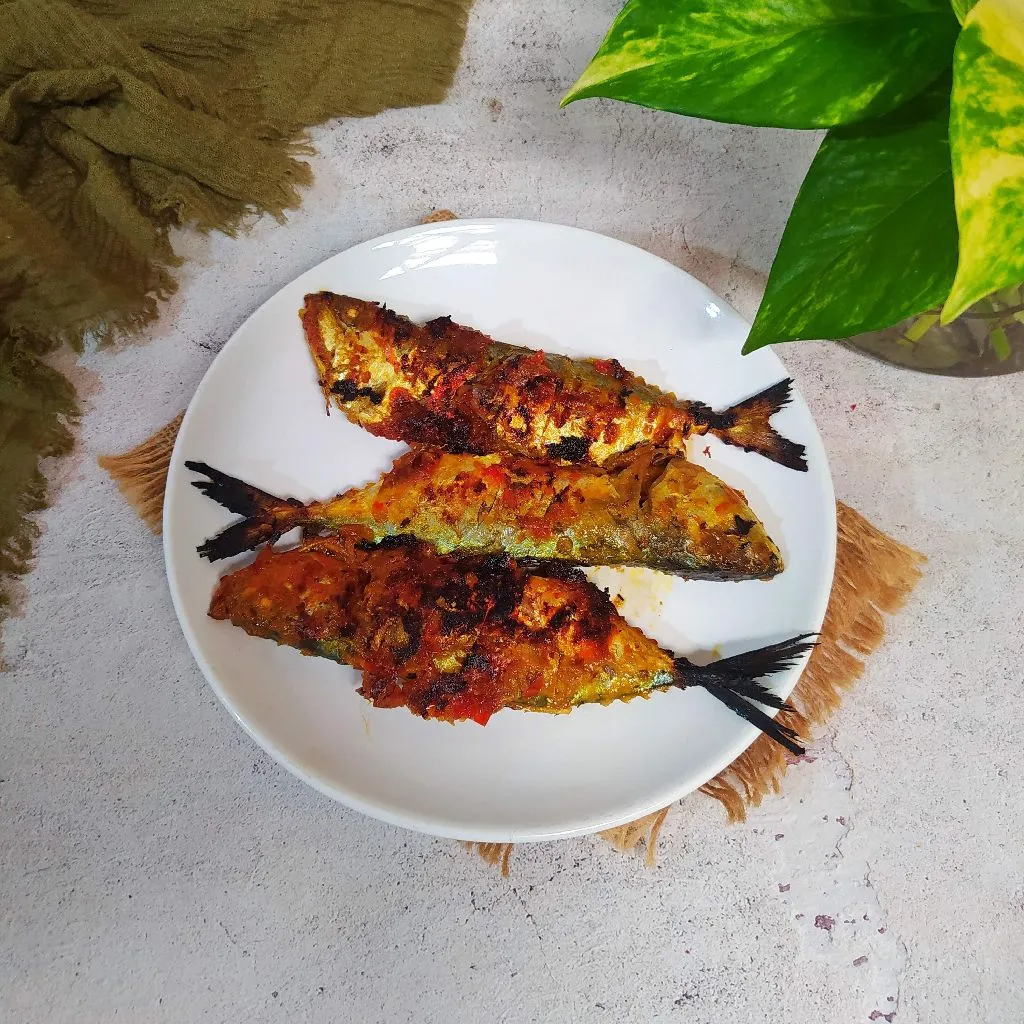
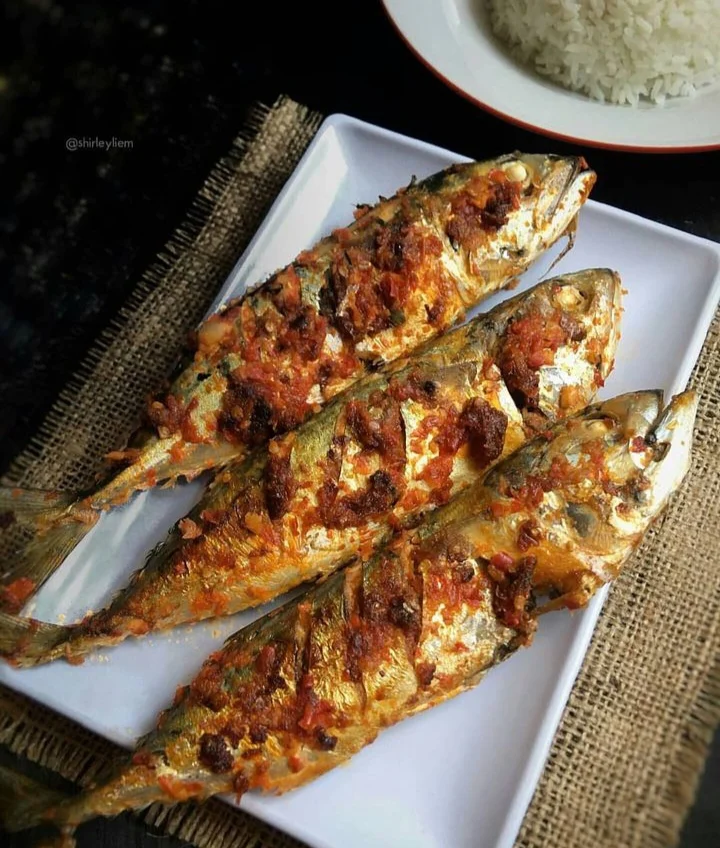

At its heart, Tempoyak Ikan Kembung Bakar is a celebration of bold flavors. The pungent, slightly sweet, and intensely aromatic tempoyak, made from fermented durian, provides a unique foundation. This is then expertly balanced with the savory, slightly oily, and firm texture of grilled mackerel. The combination might sound unusual to the uninitiated, but it is a classic pairing that has delighted palates across Indonesia, particularly in Sumatra and Kalimantan, for generations.
The star ingredient, tempoyak, is a testament to Indonesian resourcefulness and appreciation for fermentation. Durian, often hailed as the ‘King of Fruits,’ undergoes a fermentation process that transforms its overpowering sweetness into a more nuanced, savory, and tangy condiment. This process typically involves salting the durian pulp and allowing it to ferment in an airtight container for several days to weeks, depending on the desired intensity of flavor. The resulting paste is a culinary chameleon, adaptable to various dishes.
The choice of fish, ikan kembung (mackerel), is also crucial. Mackerel is a popular choice in Indonesian cuisine due to its accessibility, affordability, and robust flavor. Its firm flesh holds up well to grilling, and its natural oiliness contributes to a moist and succulent result. When grilled over charcoal, ikan kembung develops a smoky char that perfectly complements the tanginess of the tempoyak.
Preparing Tempoyak Ikan Kembung Bakar involves several key stages, each contributing to the final masterpiece. These include preparing the tempoyak, marinating and grilling the ikan kembung, and finally, combining them to create the signature dish. While the core elements are consistent, regional variations exist, often incorporating different spice blends and cooking techniques.
Let’s begin with the preparation of the tempoyak. If you are fortunate enough to find pre-made tempoyak at an Asian grocery store, ensure it is of good quality. Look for a rich, creamy texture and a balanced aroma. If you’re feeling adventurous and have access to fresh durian, you can make your own. The process involves extracting the pulp, mixing it with salt, and allowing it to ferment in a clean, sealed jar. This DIY approach offers the most authentic experience and allows for control over the fermentation time and flavor profile.
For those using store-bought tempoyak, it’s often beneficial to sauté it briefly with aromatics. This step helps to mellow its pungency and integrate it with other flavors. Common additions include shallots, garlic, chili peppers, and sometimes a touch of shrimp paste (terasi) for an extra layer of umami.
Next, we focus on the ikan kembung. The fish should be fresh, with clear eyes and firm flesh. Clean the fish thoroughly, removing the guts and scales. You can opt to grill them whole or cut them into pieces, depending on your preference. A common practice is to make a few diagonal slits on the sides of the fish to allow marinades to penetrate better and ensure even cooking.
The marinade for the ikan kembung is typically simple, designed to enhance its natural flavor without overpowering it. A common marinade consists of turmeric powder (for color and a subtle earthy note), salt, and a squeeze of lime or tamarind juice to add a hint of acidity and help tenderize the fish.
Grilling is where the magic truly happens. Traditionally, ikan kembung bakar is grilled over charcoal. The smoky aroma imparted by the charcoal is an integral part of the dish’s appeal. Grill the marinated fish over medium-high heat, turning occasionally, until it is cooked through and develops a beautiful char on both sides. The key is to achieve flaky, moist flesh with a slightly crispy exterior.
Once the grilled ikan kembung is ready, it’s time to bring everything together. The cooked fish is often flaked or broken into pieces and then mixed with the prepared tempoyak. This is the stage where the distinct flavors meld together, creating the signature taste of Tempoyak Ikan Kembung Bakar.
The ratio of tempoyak to fish is a matter of personal preference. Some prefer a strong tempoyak flavor, while others like a more subtle hint. Experimentation is encouraged to find your perfect balance. Some recipes also call for adding additional spices or herbs at this stage, such as lemongrass, galangal, or kaffir lime leaves, to further enhance the aroma and complexity.
A crucial element in many Tempoyak Ikan Kembung Bakar recipes is the addition of fresh chilies, both for heat and for their vibrant color. Sliced bird’s eye chilies are commonly used, providing a fiery kick that cuts through the richness of the fish and the tanginess of the tempoyak.
Another common addition is a sprinkle of fresh herbs, such as finely chopped cilantro or spring onions, which add a burst of freshness and visual appeal to the finished dish. These elements elevate the dish from simply delicious to truly memorable.
Serving Tempoyak Ikan Kembung Bakar is typically done hot, accompanied by steamed white rice. The plain rice serves as a perfect canvas to absorb the intense flavors of the fish and tempoyak mixture. It’s a dish that is best enjoyed family-style, shared amongst loved ones.
The visual presentation of Tempoyak Ikan Kembung Bakar is as important as its taste. The vibrant orange hue of the tempoyak, the charred skin of the mackerel, and the bright specks of chili and herbs create an appetizing and inviting dish. It’s a feast for both the eyes and the palate.
To truly appreciate this dish, it’s important to understand the cultural context. Tempoyak is a staple in many Indonesian households, particularly those with roots in Sumatra and Kalimantan. It’s a dish that evokes nostalgia and represents a connection to ancestral culinary traditions. The act of fermenting durian itself is a skill passed down through generations.
The pairing of tempoyak with various proteins, not just ikan kembung, is common. However, the grilled mackerel offers a specific textural and flavor profile that makes this particular combination so successful. The slightly oily fish becomes even more succulent when coated in the spiced tempoyak.
For those new to tempoyak, the initial aroma might be challenging. However, persistence is rewarded. The flavor profile is far more complex and less overpowering once cooked and integrated into the dish. It offers a unique umami depth that is hard to replicate with other ingredients.
When selecting ingredients, prioritize freshness. Fresh ikan kembung will have a clean, oceanic smell, not a fishy odor. If using fresh durian for tempoyak, choose ripe but firm fruits. The quality of your ingredients will directly impact the final taste of your dish.
The fermentation process for homemade tempoyak can take anywhere from 3 days to 2 weeks. A shorter fermentation yields a milder flavor, while a longer one results in a more pungent and sour taste. It’s a personal journey of discovery to find your preferred fermentation period.
When grilling the fish, avoid overcooking. Overcooked mackerel will become dry and tough, losing its desirable flaky texture. Keep a close eye on it and remove it from the heat as soon as it’s cooked through.
The spice level in Tempoyak Ikan Kembung Bakar can be adjusted to your liking. If you prefer a milder dish, reduce the number of chilies used. Conversely, if you enjoy a fiery kick, feel free to add more.
Some variations of this recipe might include adding a bit of coconut milk to the tempoyak mixture, which can lend a subtle creaminess and richness. Others might incorporate a touch of palm sugar to balance the tanginess and spiciness.
The beauty of Indonesian cuisine lies in its adaptability. While this recipe provides a solid foundation, don’t hesitate to experiment with your own twists. Perhaps you’d like to try grilling a different type of fish, or maybe add other vegetables to the mix.
This dish is a perfect example of how fermentation can transform a fruit into a savory condiment, showcasing the ingenuity of Indonesian culinary traditions. The use of durian, a fruit that polarizes opinions, in such a savory context is a testament to its versatility.
Tempoyak Ikan Kembung Bakar is more than just a meal; it’s an experience. It’s an invitation to explore the rich and diverse flavors of Indonesia, to step outside your culinary comfort zone, and to savor a dish that is deeply rooted in tradition and culture.
The process of preparing this dish can be a rewarding culinary adventure. From the careful selection of ingredients to the aromatic grilling and the final harmonious blend of flavors, each step contributes to the overall enjoyment.
Whether you are a seasoned cook or a beginner, this recipe offers a gateway to authentic Indonesian flavors. It’s a dish that is sure to impress with its unique taste and compelling backstory.
So, gather your ingredients, embrace the adventure, and prepare to be delighted by the unforgettable taste of Resep Tempoyak Ikan Kembung Bakar. Selamat makan!