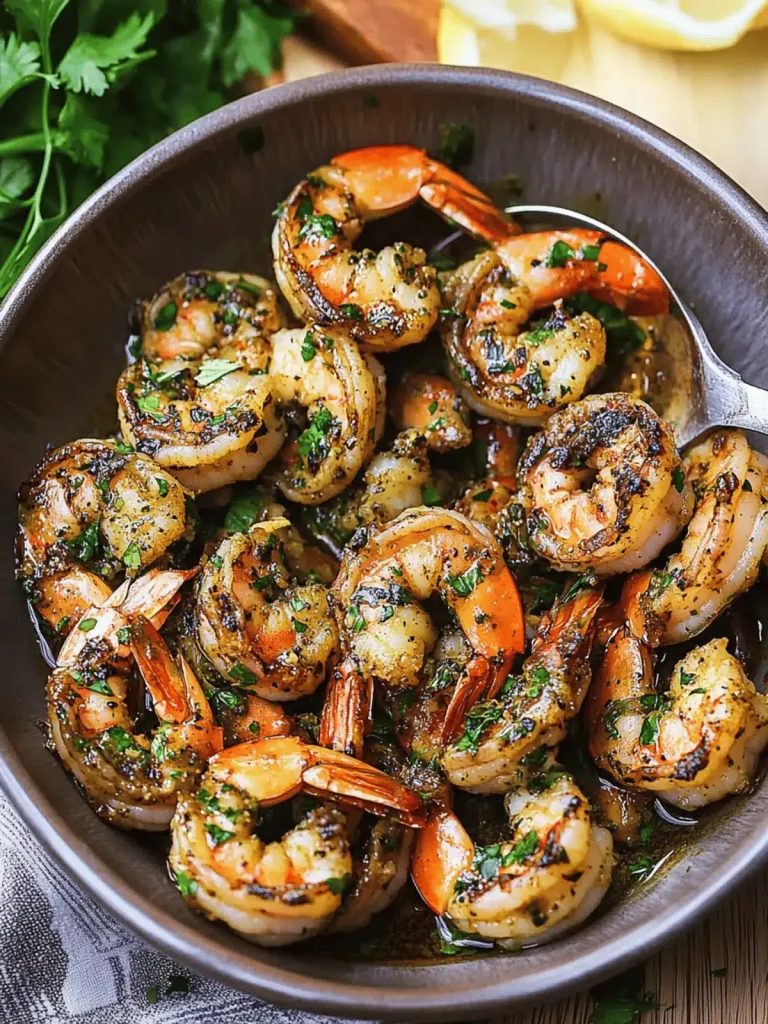

The search intent for this topic is clear: people want to learn how to cook shrimp in a pan effectively. They are looking for information on techniques, recipes, and how to avoid common pitfalls. This article aims to provide all of that and more, becoming your go-to resource for all things pan-seared shrimp.
Choosing the Right Shrimp for Pan-Searing
- Fresh vs. Frozen: Fresh shrimp, when available, is ideal. However, high-quality frozen shrimp can be an excellent alternative, especially if you don’t live near a source of fresh seafood. Ensure the shrimp is properly thawed before cooking.
- Size Matters: Choose shrimp size based on your preference and the recipe. Larger shrimp (e.g., U15 or 16/20) are great for a more substantial meal, while smaller shrimp (e.g., 31/40) cook quickly and are perfect for salads or appetizers.
- Shell On or Off: Cooking shrimp with the shell on adds flavor and helps retain moisture. However, it requires more preparation (shelling and deveining). If you choose to leave the shell on, consider scoring the shrimp along the back to prevent curling.
- Deveining: Removing the dark vein (digestive tract) is a matter of preference but generally recommended. It’s easy to do with a small knife.
Selecting the Best Shrimp: A Deeper Dive
- Look for: Firm, translucent flesh. Avoid shrimp that appear mushy or have a strong ammonia-like odor.
- Sustainability: If possible, choose sustainably sourced shrimp to support responsible fishing practices. Look for certifications like the Marine Stewardship Council (MSC).
- Head-on or Headless: Head-on shrimp offer more flavor, but they require more preparation. They’re excellent for grilling or dishes where the heads can be used to make a flavorful stock.
Essential Techniques for Perfect Pan-Seared Shrimp
- Thawing Frozen Shrimp: If using frozen shrimp, thaw it completely in the refrigerator overnight. For a quicker thaw, place the shrimp in a colander under cold running water. Pat the shrimp completely dry before cooking. This is absolutely critical for a good sear.
- Patting Dry: This cannot be stressed enough. Drying the shrimp with paper towels removes excess moisture, allowing for a good sear and preventing steaming.
- Heating the Pan: Use a heavy-bottomed pan, such as cast iron or stainless steel, for even heat distribution. Heat the pan over medium-high heat until it’s very hot, but not smoking.
- Adding Fat: Choose a high-smoke-point oil, such as avocado oil, grapeseed oil, or clarified butter (ghee). Add enough oil to lightly coat the bottom of the pan.
- Searing the Shrimp: Place the shrimp in the hot pan in a single layer, ensuring they have space around them. Avoid overcrowding the pan, as this will lower the temperature and lead to steaming.
- Cooking Time: Cook the shrimp for 2-3 minutes per side, or until they turn pink and opaque, and the edges are slightly curled. The exact cooking time will depend on the size of the shrimp.
- Don’t Overcook: Overcooked shrimp are rubbery and tough. It’s better to err on the side of slightly undercooked, as they will continue to cook from the residual heat.
Step-by-Step Guide to Pan-Seared Shrimp
- Prepare the Shrimp: Thaw (if frozen), peel, devein, and pat dry. Season with salt and pepper.
- Heat the Pan: Place your pan over medium-high heat and add your chosen oil.
- Sear the Shrimp: Add the shrimp in a single layer, ensuring they have space.
- Cook: Cook for 2-3 minutes per side, or until pink and opaque.
- Remove and Serve: Remove the shrimp from the pan and serve immediately.
Seasoning and Flavoring Your Pan-Seared Shrimp
- Simple Seasoning: Salt, freshly ground black pepper, and a squeeze of lemon juice are all you need for a classic preparation.
- Spice It Up: Add a pinch of cayenne pepper, red pepper flakes, or your favorite chili powder for a kick.
- Garlic and Herbs: Sauté minced garlic in the pan before adding the shrimp. Add fresh herbs like parsley, cilantro, or chives at the end.
- Marinades: Marinate the shrimp for 15-30 minutes before cooking for added flavor. Consider a marinade of olive oil, lemon juice, garlic, and herbs.
- Butter and White Wine: Deglaze the pan with white wine after cooking the shrimp, and then swirl in some butter for a luxurious sauce.
Flavor Combinations to Try
- Garlic Butter Shrimp: Sauté garlic in butter, then sear the shrimp and finish with a squeeze of lemon.
- Cajun Shrimp: Season with Cajun seasoning and serve with rice and vegetables.
- Lemon Herb Shrimp: Marinate the shrimp in lemon juice, olive oil, and herbs before searing.
- Spicy Shrimp Scampi: Use red pepper flakes and white wine for a zesty sauce.
Common Mistakes to Avoid When Pan-Searing Shrimp
- Overcrowding the Pan: This lowers the pan’s temperature, leading to steaming instead of searing. Cook the shrimp in batches if necessary.
- Overcooking: Overcooked shrimp are rubbery. Cook until just pink and opaque.
- Using Too Much Oil: While you need enough oil for searing, too much can make the shrimp greasy.
- Not Drying the Shrimp Thoroughly: Moisture is the enemy of a good sear. Always pat the shrimp dry before cooking.
- Not Heating the Pan Properly: A cold pan will result in steamed shrimp. Ensure the pan is hot before adding the shrimp.
Tips and Best Practices for Perfect Pan-Seared Shrimp
- Use a Meat Thermometer: For precise cooking, use a meat thermometer. Shrimp are done when they reach an internal temperature of 120-130°F (49-54°C).
- Don’t Move the Shrimp Too Much: Let the shrimp sear undisturbed for a minute or two before flipping.
- Deglaze the Pan: After cooking the shrimp, deglaze the pan with wine, broth, or lemon juice to create a flavorful sauce.
- Rest the Shrimp: Remove the shrimp from the pan and let them rest for a minute or two before serving. This allows the juices to redistribute.
- Experiment with Different Oils: Explore different oils to find your favorite flavor profile.
Delicious Recipes Featuring Pan-Seared Shrimp
- Shrimp Scampi: Serve over pasta with a garlic butter sauce.
- Shrimp Tacos: Use the shrimp as a filling for tacos with your favorite toppings.
- Shrimp Salad: Add to salads with mixed greens, avocado, and a lemon vinaigrette.
- Shrimp and Grits: A Southern classic with creamy grits and flavorful shrimp.
- Shrimp Stir-Fry: Add to a stir-fry with your favorite vegetables and a savory sauce.
Frequently Asked Questions About Pan-Seared Shrimp
- How do I know when shrimp is cooked? The shrimp will turn pink and opaque, and the edges will curl.
- Can I use frozen shrimp? Yes, but be sure to thaw it completely and pat it dry before cooking.
- What kind of oil should I use? Use a high-smoke-point oil like avocado oil, grapeseed oil, or clarified butter.
- How long does it take to cook shrimp? Generally, it takes 2-3 minutes per side, depending on the size.
- Can I add vegetables to the pan? Yes, you can sauté vegetables with the shrimp, but add them earlier in the cooking process as they will take longer to cook.
Mastering the art of pan-seared shrimp opens up a world of culinary possibilities. By following the techniques, tips, and avoiding common mistakes outlined in this guide, you can consistently create delicious and impressive dishes. From simple weeknight meals to elegant dinner parties, pan-seared shrimp is a versatile and satisfying choice. Embrace the process, experiment with flavors, and enjoy the journey of becoming a pan-seared shrimp aficionado.