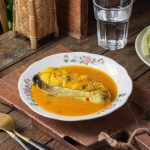


The foundation of any great tempoyak lobster dish lies in the quality of its ingredients. Freshness is paramount, especially when it comes to the lobster. Opt for live lobsters if possible, as they offer the best texture and flavor. If using frozen, ensure it has been thawed properly and retains its firm, plump appearance. The tempoyak itself should also be of good quality. Look for pastes that have been fermented for a sufficient period, typically several weeks to months, to develop a well-rounded tanginess without being overwhelmingly sour or excessively pungent. The fermentation process breaks down the durian’s sugars, creating a unique umami depth.
Choosing the right type of durian for making tempoyak is crucial for achieving the desired flavor. While specific varieties might be regional, generally, a durian that is ripe but not overly mushy is preferred. The flesh should be firm enough to hold its shape during fermentation. The natural sweetness and creamy texture of the durian are key components that balance the fermentation process and contribute to the final flavor profile of the tempoyak. A well-made tempoyak will have a balance of sweet, sour, and savory notes.
The preparation of tempoyak itself is a patient process. Ripe durian flesh is typically mashed or blended and then packed into an airtight container, often a jar or a banana leaf-lined vessel. It is then left to ferment at room temperature for anywhere from a week to several months. The longer it ferments, the more intense and complex its flavor becomes. Some traditionalists prefer a longer fermentation period for a more robust taste, while others opt for a shorter one for a milder tang. The key is to find a balance that suits your palate and the other ingredients you intend to use.
When preparing lobster tempoyak, the goal is to complement, not overpower, the delicate flavor of the lobster. A common approach is to create a flavorful sauce or stir-fry where the tempoyak is a key component. Begin by preparing the lobster. If using whole lobsters, separate the tail, claws, and body. Clean them thoroughly. For tails, you can split them lengthwise or cut them into chunks. For claws, crack them open to expose the succulent meat.
A classic method involves stir-frying. Sauté aromatics like garlic, shallots, and chilies until fragrant. Then, add the tempoyak paste, stirring it well to release its aroma. This initial sautéing helps to mellow the pungency of the fermented durian and meld its flavors with the other spices. Be mindful of the heat; a medium heat is usually sufficient to cook the tempoyak without burning it.
Once the tempoyak is fragrant, add the prepared lobster pieces. Stir-fry them quickly, ensuring they are evenly coated with the tempoyak mixture. Lobster cooks very fast, so avoid overcooking, which can lead to tough, rubbery meat. The aim is for the lobster to turn opaque and slightly pink, indicating it’s just cooked through. This rapid cooking preserves its tender texture.
To enhance the sauce and add complexity, consider incorporating other complementary ingredients. A splash of water or coconut milk can help create a silkier sauce. A touch of sugar can balance the tartness of the tempoyak, while a pinch of salt or a dash of soy sauce can add umami depth. Some recipes also call for a squeeze of lime or calamansi juice for a final burst of acidity, which cuts through the richness and brightens the overall flavor.
Fresh herbs and spices play a vital role in elevating the dish. Lemongrass, galangal, and kaffir lime leaves can infuse the sauce with aromatic notes that pair beautifully with both durian and seafood. Fresh chilies, sliced thinly, add a welcome kick of heat that contrasts with the sweet and savory elements. Finely chopped cilantro or spring onions sprinkled over the finished dish provide freshness and visual appeal.
The consistency of the tempoyak sauce is also important. It should be thick enough to cling to the lobster pieces but not so dense that it becomes cloying. If the sauce is too thin, you can thicken it slightly by simmering it for a few extra minutes or by adding a cornstarch slurry. Conversely, if it’s too thick, a little water or broth can thin it out to the desired consistency.
Different cooking methods can be employed to prepare lobster tempoyak. While stir-frying is popular, steaming is another excellent option, particularly for whole lobsters or larger pieces. Steaming allows the lobster to cook gently in its own juices, retaining maximum moisture and flavor. The tempoyak sauce can be prepared separately and then poured over the steamed lobster, or the tempoyak mixture can be placed directly on the lobster before steaming.
Baking is yet another viable method. Marinate the lobster pieces in a mixture that includes tempoyak, perhaps along with some butter, garlic, and herbs. Then, bake until the lobster is cooked through and the sauce has caramelized slightly. This method can yield a rich, deeply flavored dish with a delightful textural contrast.
When it comes to serving lobster tempoyak, it is traditionally enjoyed with steamed white rice. The plain rice acts as a perfect canvas, allowing the complex flavors of the lobster tempoyak to shine without competition. The starchiness of the rice also helps to balance the richness and tanginess of the dish.
Garnishes can significantly enhance the presentation and flavor of your lobster tempoyak. Consider adding toasted cashews or peanuts for a delightful crunch, or a scattering of fresh herbs like mint or Thai basil for an aromatic lift. A few slices of fresh red chili can add a pop of color and a hint of spice.
For those who are new to tempoyak, starting with a milder, shorter-fermented paste might be advisable. This allows you to gradually acclimate your palate to the unique flavor of fermented durian. Gradually, you can experiment with longer-fermented pastes as your appreciation for tempoyak grows.
When using tempoyak, it’s essential to taste and adjust seasonings as you go. The saltiness and sourness of tempoyak can vary significantly depending on its age and preparation. Therefore, tasting the sauce before adding additional salt or acid is crucial to achieve the perfect balance.
The pungency of durian can be quite strong. If you find it overpowering, you can mitigate it by incorporating ingredients that offer contrasting flavors and aromas. Coconut milk, for instance, adds a creamy sweetness that mellows the intensity. Lemongrass and lime leaves contribute bright, citrusy notes that cut through the richness.
Pairing lobster tempoyak with other dishes requires careful consideration. Since the main dish is rich and flavorful, side dishes should be lighter and refreshing. Steamed vegetables, a simple cucumber salad, or a light clear soup can provide a welcome contrast.
For a truly authentic experience, consider the regional variations of tempoyak dishes. In different parts of Southeast Asia, tempoyak is used in various preparations, from curries and stir-fries to dipping sauces. Understanding these variations can offer inspiration for your own lobster tempoyak creations.
When selecting lobster, consider the size and type. Smaller lobsters tend to be more tender, while larger ones offer more substantial portions. Spiny lobsters are often preferred for their sweet meat, but American lobsters are also excellent choices. The key is to ensure the lobster is fresh and handled properly.
The fermentation process of tempoyak is a natural one, relying on the enzymes present in the durian and ambient microorganisms. This process not only preserves the fruit but also develops its complex flavor profile, transforming its raw sweetness into a tangy, savory delight. The characteristic aroma is a result of the breakdown of volatile sulfur compounds.
Incorporating other seafood with tempoyak is also an option, though lobster offers a luxurious appeal. Prawns, squid, or even firm white fish can be used. However, the sweetness and texture of lobster make it a particularly prized pairing. The richness of lobster meat stands up well to the bold flavors of tempoyak.
For those who enjoy a spicier kick, increasing the amount of chili in the stir-fry or adding a dash of chili paste can significantly enhance the heat level. Bird’s eye chilies are a popular choice for their intense heat and fruity undertones.
The visual presentation of lobster tempoyak can be as important as its taste. Vibrant colors from chilies, herbs, and the natural hue of the lobster itself contribute to an appealing dish. Serving it in a rustic bowl or on a banana leaf can enhance its traditional charm.
Experimentation is key to discovering your perfect lobster tempoyak. Don’t be afraid to adjust the ratios of tempoyak to other ingredients, try different cooking times, or incorporate unique spices. The best dishes often arise from personal culinary exploration.
The aroma of cooking tempoyak can be quite potent. Ensure good ventilation in your kitchen when preparing this dish. Opening windows or using an exhaust fan can help dissipate the strong durian scent.
When purchasing pre-made tempoyak, check the expiration date and storage instructions. Some varieties require refrigeration after opening. Proper storage ensures the quality and safety of the paste.
The texture of the final dish is a harmonious blend of tender, succulent lobster and a rich, flavorful sauce. The slight chewiness of perfectly cooked lobster against the smooth, slightly piquant sauce creates a delightful mouthfeel.
Ultimately, preparing lobster tempoyak is an adventure. It’s a dish that celebrates bold flavors and traditional culinary techniques. By understanding the nuances of tempoyak and the best ways to prepare lobster, you can create a truly memorable dining experience that tantalizes the taste buds and transports you to the heart of Southeast Asian cuisine.