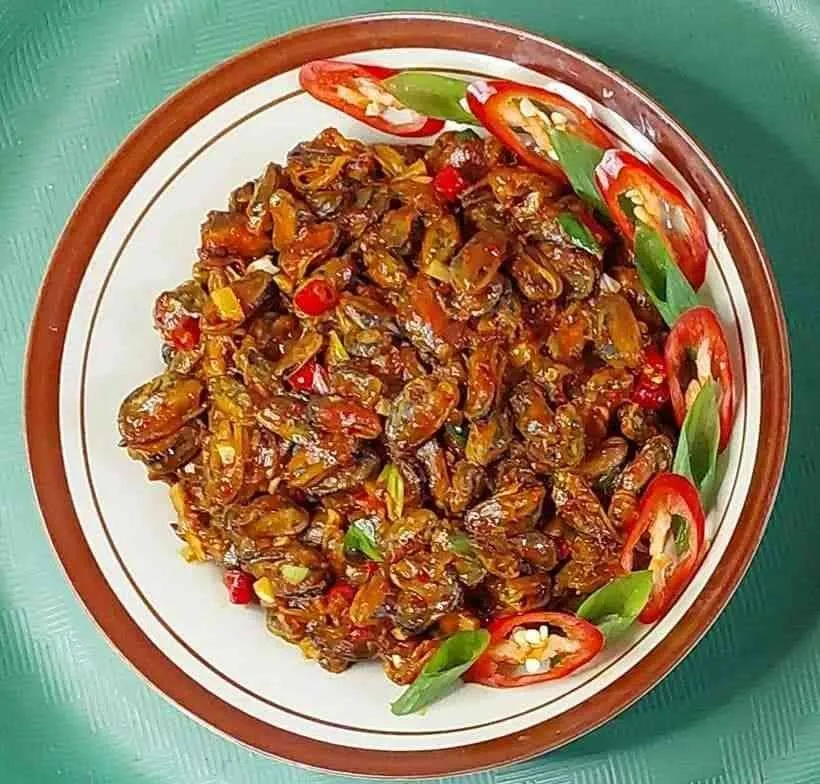
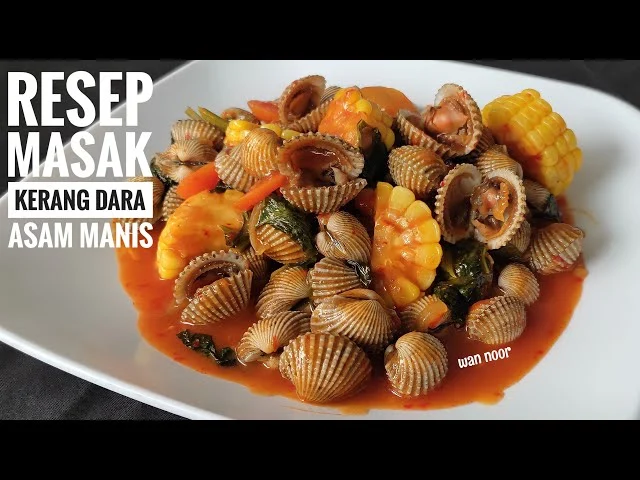

At its heart, this recipe hinges on three key components: tempoyak, kerang (cockles), and the skillful interplay of spices and sweetness. Each element plays a crucial role in creating the dish’s signature taste. Understanding these components is the first step to mastering this Indonesian delicacy.
Tempoyak, the soul of this dish, is fermented durian. Durian, often hailed as the ‘king of fruits,’ undergoes a fermentation process that transforms its sweet, creamy flesh into a tangy, pungent paste. This process, typically lasting several days to weeks, mellows the durian’s intense aroma while developing a complex umami flavor. The fermentation is usually achieved by mixing durian flesh with a little salt and packing it into a sealed container, allowing natural fermentation to occur. The resulting tempoyak is a polarizing ingredient – loved by many for its unique taste and aroma, and sometimes challenging for the uninitiated.
The quality of tempoyak significantly impacts the final dish. Freshly fermented tempoyak will have a strong, sharp aroma and a distinct tanginess. Older, more mature tempoyak will have a deeper, more rounded flavor. When selecting tempoyak for cooking, look for a paste that is firm, not watery, and has a pleasant, albeit strong, aroma. If you are new to tempoyak, you might want to start with a smaller amount or a less intensely fermented variety.
Kerang, or cockles, are small, bivalve mollusks that are widely consumed in Indonesia. They are prized for their briny flavor and tender texture. For this recipe, it’s essential to use fresh cockles. Thoroughly cleaning them is paramount to remove any sand or grit. This usually involves soaking them in saltwater for a period, allowing them to purge any impurities, followed by vigorous scrubbing.
The ‘pedas manis’ (spicy sweet) aspect of the dish is achieved through a carefully crafted blend of chili peppers, sugar, and other aromatics. The heat from the chilies provides a stimulating kick, while the sugar balances the pungency of the tempoyak and the spiciness of the chilies, creating a harmonious flavor profile. The specific type and quantity of chili peppers can be adjusted to suit individual preferences for heat.
Beyond these core ingredients, a symphony of aromatics usually accompanies the preparation. Shallots and garlic form the foundational layer of flavor, providing a savory depth. Turmeric adds a warm, earthy note and a beautiful golden hue. Ginger and galangal contribute a zesty, slightly peppery warmth, while lemongrass offers a subtle citrusy fragrance. These spices are typically ground into a paste or finely chopped before being sautéed.
To prepare ‘Resep Tempoyak Kerang Pedas Manis’, the process generally begins with preparing the spice paste. Shallots, garlic, chilies (depending on your heat preference), turmeric, ginger, and galangal are often pounded or blended into a smooth paste. Lemongrass is usually bruised to release its aroma.
Next, the spice paste is sautéed in a wok or pan with a little oil until fragrant and the raw smell dissipates. This step is crucial for developing the complex flavors of the spices. The bruised lemongrass is often added during this stage to infuse its aroma into the oil.
Once the spice paste is thoroughly cooked, the tempoyak is added. It’s important to stir and cook the tempoyak with the spices for a few minutes. This allows the tempoyak to meld with the aromatics and begin to release its unique fermented flavor. Some recipes might suggest rinsing the tempoyak beforehand to reduce its intensity, but this is often a matter of personal preference and the desired final taste.
The cleaned cockles are then introduced to the pan. They are typically added raw and will cook quickly in the simmering sauce. It’s important not to overcook the cockles, as they can become tough and rubbery. They should be cooked just until they open and are tender.
The ‘manis’ (sweet) element is usually incorporated at this stage. Sugar, typically palm sugar (gula melaka) for its caramel notes, is added to the pan. The sugar dissolves and creates a glaze, balancing the saltiness of the cockles and the tanginess of the tempoyak. A touch of soy sauce or fish sauce might also be added for an extra layer of umami.
Water or a small amount of stock is often added to create a sauce that coats the cockles and spices. The mixture is then simmered gently until the cockles are cooked through and the sauce has thickened slightly, achieving a glossy consistency.
Seasoning is a critical final step. Taste the dish and adjust the salt, sugar, and spice levels as needed. The goal is a perfect equilibrium between spicy, sweet, sour (from the tempoyak), and savory.
Serving ‘Resep Tempoyak Kerang Pedas Manis’ is typically done hot, accompanied by steamed white rice. The fluffy rice is the perfect canvas to absorb the rich, flavorful sauce. A sprinkle of fresh cilantro or thinly sliced red chilies can be added as a garnish for visual appeal and an extra burst of freshness.
This dish is a testament to the culinary ingenuity of Indonesian home cooks. The use of fermented durian, an ingredient that might seem unconventional to many, highlights the ability to transform local produce into something extraordinary.
The flavor profile is complex and layered. The initial taste might be a burst of spice, followed by the unique tang of the tempoyak, and then the subtle sweetness that rounds everything out. The briny cockles provide a satisfying seafood element that complements the robust sauce.
For those new to tempoyak, the aroma can be quite potent. However, once cooked, the intensity mellows considerably, and the flavor integrates beautifully with the other ingredients. It’s an acquired taste for some, but one that many find incredibly rewarding.
Variations of this recipe exist across different regions of Indonesia, particularly in Sumatra where tempoyak is more commonly used. Some versions might incorporate coconut milk for a creamier texture, while others might use different types of seafood or additional vegetables.
The health benefits of fermented foods like tempoyak are also worth noting. Fermentation can enhance the bioavailability of nutrients and introduce beneficial probiotics. While the primary appeal of this dish is its taste, these underlying health aspects add another dimension to its appreciation.
The preparation of ‘Resep Tempoyak Kerang Pedas Manis’ is more than just cooking; it’s an experience. The aroma that fills the kitchen as the spices sauté and the tempoyak simmers is truly intoxicating.
When selecting cockles, ensure they are fresh and alive. They should close when tapped. Discard any that are open and do not close when tapped, as they are likely spoiled.
The choice of chilies is flexible. For a milder dish, use fewer chilies or opt for varieties like red bell peppers. For a spicier kick, incorporate bird’s eye chilies (cabe rawit) or other hot varieties. Be mindful of their heat level.
Palm sugar (gula melaka) is highly recommended for its distinct flavor, but regular granulated sugar can be used as a substitute if necessary. The caramel notes of palm sugar add a depth that white sugar lacks.
The consistency of the sauce can be adjusted by adding more or less water. A thicker sauce will cling more to the cockles, while a thinner sauce can be enjoyed spooned over rice.
Storage of leftover ‘Resep Tempoyak Kerang Pedas Manis’ is generally not recommended for extended periods due to the fresh seafood. It’s best enjoyed fresh. However, if stored in an airtight container in the refrigerator, it can be consumed within a day or two.
This dish is a perfect example of how Indonesian cuisine embraces bold flavors and unique ingredients. It challenges culinary boundaries and rewards the adventurous eater.
The cultural significance of tempoyak itself is profound. It’s a staple in many Malay and Indonesian households, a testament to traditional food preservation techniques and the utilization of seasonal produce.
Mastering ‘Resep Tempoyak Kerang Pedas Manis’ requires patience and an understanding of flavor balance. It’s a dish that rewards practice and experimentation.
Consider serving this dish with a side of fresh, crisp vegetables, such as cucumber slices or blanched long beans, to provide a refreshing contrast to the rich flavors.
The vibrant orange-red hue of the dish, thanks to the chilies and turmeric, makes it visually appealing as well as delicious. It’s a feast for the eyes as well as the palate.
Ultimately, ‘Resep Tempoyak Kerang Pedas Manis’ is more than just a recipe; it’s an invitation to explore the rich tapestry of Indonesian culinary heritage. It’s a dish that tells a story of tradition, innovation, and the irresistible allure of fermented flavors.
The aroma of sautéed garlic and shallots, mingled with the pungent notes of tempoyak and the sweet fragrance of palm sugar, creates an olfactory experience that is uniquely Indonesian.
When cooking the cockles, ensure the pan is hot before adding them. This helps them cook evenly and prevents them from releasing too much liquid, which can dilute the sauce.
The balance of spicy and sweet is key. If the dish turns out too spicy, a little more sugar or a splash of water can help temper the heat. If it’s too sweet, a touch more chili or a squeeze of lime juice can add brightness.