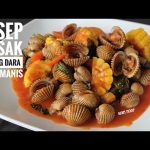
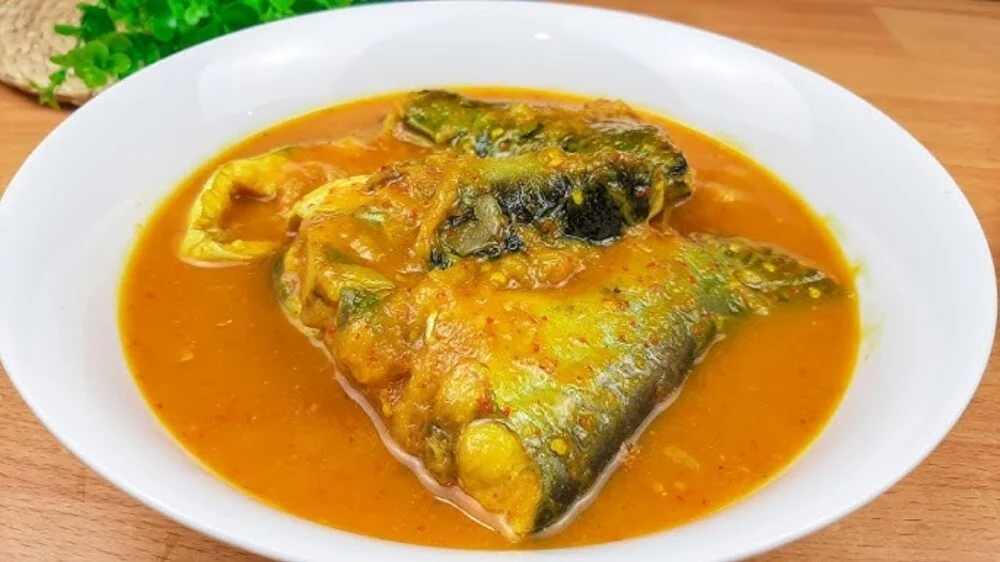

At its core, Seafood Tempoyak is a stir-fry or curry-like dish where fresh seafood is cooked with a generous amount of tempoyak, chilies, and an array of aromatic spices. The beauty of this dish lies in its adaptability. While prawns and squid are common choices, almost any type of seafood can be used, from flaky fish to succulent mussels and clams. The tempoyak itself, with its creamy texture and intensely savory, slightly sour, and umami-rich profile, acts as both a flavoring agent and a tenderizer, infusing the seafood with its distinctive character.
The journey to creating an exceptional Seafood Tempoyak begins with understanding its primary component: tempoyak. Tempoyak is made by fermenting ripe durian flesh, typically for three to five days, or sometimes longer, depending on the desired intensity of flavor and aroma. During fermentation, natural yeasts and bacteria break down the sugars in the durian, producing lactic acid, which gives it a sour tang, and complex aromatic compounds that contribute to its signature pungent smell. The quality of the durian used directly impacts the final tempoyak; a good durian yields a superior fermented product.
Selecting the right tempoyak is crucial for success. Look for tempoyak that has a pleasant, though strong, aroma – a sign of proper fermentation. It should have a smooth, paste-like consistency and a balanced sourness. Avoid tempoyak that smells overly ammoniated or has an off-puttingly bitter taste, as these indicate spoilage. Many local markets and specialized Asian grocery stores offer ready-made tempoyak, but for the truly authentic experience, some enthusiasts prefer to make their own, controlling the fermentation process from start to finish.
The choice of seafood is equally important. Freshness is paramount. Whether you opt for plump prawns, firm squid, delicate white fish, or briny shellfish, ensure they are of the highest quality. For prawns, look for firm shells, clear eyes, and a sweet, oceanic smell. Squid should be firm and moist, with no strong fishy odor. If using fish, choose fillets that are firm to the touch and have a clean scent. The natural sweetness and texture of fresh seafood provide a perfect counterpoint to the robust flavors of the tempoyak.
Beyond the tempoyak and seafood, the supporting cast of aromatics and spices is what truly elevates the dish. Fresh chilies, both red and green, are essential for heat and color. Shallots and garlic form the aromatic base, providing depth and pungency. Ginger and turmeric add warmth and earthy notes, while lemongrass offers a bright, citrusy lift. Some recipes also incorporate belacan (shrimp paste) for an extra layer of umami, or tamarind paste for added sourness, though this is less common when tempoyak is already providing significant acidity.
Preparation typically starts with creating a spice paste, often referred to as ‘bumbu’ in Malay cuisine. This involves pounding or blending chilies, shallots, garlic, ginger, and turmeric into a smooth consistency. The intensity of the chili is a matter of personal preference, but a good kick is generally expected in authentic Seafood Tempoyak. Using a mortar and pestle is traditional and helps to release the essential oils of the spices more effectively than a blender, resulting in a more fragrant paste.
Once the spice paste is ready, it’s sautéed in oil until fragrant and the raw aroma dissipates. This step is critical for developing the flavors and ensuring a smooth texture. The tempoyak is then added to the pan and cooked along with the spice paste. This allows the tempoyak to meld with the spices, mellow its sharpness, and release its complex flavors. Stirring constantly is important to prevent sticking and ensure even cooking.
The seafood is introduced next. Depending on the type and size of the seafood, it may require different cooking times. Prawns and squid cook very quickly, often within a few minutes. Fish fillets need careful handling to avoid breaking apart. If using shellfish like mussels or clams, they should be added towards the end, allowing them to steam open and release their briny juices, which further enhances the sauce.
The cooking liquid is typically water or coconut milk. Coconut milk adds a creamy richness and mellows the intensity of the tempoyak and chilies, creating a more luxurious sauce. Water, on the other hand, results in a lighter, more intensely flavored dish where the tempoyak and spices take center stage. Some recipes might use a combination of both. Seasoning is usually minimal, as the tempoyak itself is quite savory. A touch of sugar might be added to balance the sourness and heat, but salt is often unnecessary.
Simmering the dish gently allows the flavors to meld and the seafood to cook through perfectly. The sauce should thicken slightly, coating the seafood in a rich, fragrant gravy. The aroma that fills the kitchen at this stage is truly intoxicating – a complex blend of pungent durian, spicy chilies, and savory aromatics.
Serving Seafood Tempoyak is typically done hot, accompanied by plain steamed rice. The rice acts as a neutral canvas, absorbing the flavorful sauce and providing a comforting contrast to the bold flavors of the dish. Fresh herbs like cilantro or spring onions can be used as a garnish, adding a touch of freshness and visual appeal. Some may also enjoy it with a side of fresh cucumber slices to provide a cooling counterpoint.
Variations of Seafood Tempoyak abound across different regions and households. Some might add vegetables like long beans or eggplant for added texture and nutrients. Others might experiment with different types of seafood, such as crab or fish roe, to create unique flavor profiles. The fundamental elements, however – tempoyak, chilies, aromatics, and seafood – remain constant.
For those new to tempoyak, it’s advisable to start with a smaller amount of tempoyak and gradually increase it to your preference. The strong flavor can be an acquired taste, and finding the right balance is key to enjoying this dish. Similarly, adjust the chili levels to suit your heat tolerance.
The art of making Seafood Tempoyak is a sensory experience. It involves engaging with pungent aromas, vibrant colors, and a symphony of flavors that range from spicy and sour to deeply savory and umami. It’s a dish that tells a story of resourcefulness, tradition, and the unique culinary landscape of Southeast Asia.
The fermentation process of tempoyak is a fascinating aspect of its culinary significance. It’s a natural preservation method that transforms a highly perishable fruit into a stable, flavor-rich condiment. This process is not just about preserving food; it’s about enhancing it, creating new dimensions of taste and aroma that are distinct from the fresh fruit.
When sourcing ingredients, prioritize local and seasonal produce whenever possible. Freshly caught seafood from local markets will always offer superior flavor and texture. Similarly, if you have access to homemade or locally made tempoyak, it will likely be of a higher quality and more authentic flavor than mass-produced versions.
The cooking process requires attention to detail. Overcooking seafood can render it tough and rubbery, diminishing the overall enjoyment of the dish. Therefore, it’s important to add seafood at the right time and cook it just until it’s done.
The balance of flavors is paramount. The sourness of the tempoyak should complement, not overpower, the sweetness of the seafood. The heat from the chilies should be present but not so intense that it masks the other nuances. Adjusting the ingredients based on taste is a crucial part of the cooking process.
Consider the textural elements as well. The creamy tempoyak, tender seafood, and perhaps crunchy vegetables (if added) create a delightful mouthfeel. The consistency of the sauce is also important; it should be rich enough to coat the ingredients but not overly thick or watery.
A key tip for beginners is to prepare all your ingredients before you start cooking. This ‘mise en place’ approach ensures that everything is ready when needed, especially since the cooking time for seafood is quite short. Having your spice paste blended, seafood cleaned and prepped, and other aromatics chopped will make the cooking process smooth and stress-free.
Experimentation is encouraged once you’ve mastered the basic recipe. Perhaps you’d like to try adding a hint of kaffir lime leaves for extra fragrance, or a dash of fish sauce for added saltiness if your tempoyak isn’t salty enough. Some adventurous cooks even incorporate a small amount of palm sugar for a subtle sweetness.
The cultural significance of Seafood Tempoyak cannot be overstated. It is a dish that brings families and communities together, often prepared during special occasions or festive gatherings. Sharing a meal of Seafood Tempoyak is a communal experience, fostering a sense of connection and shared heritage.
Understanding the role of each ingredient is vital. The tempoyak provides the signature sour, pungent, and umami notes. The chilies bring the heat and vibrant color. Shallots and garlic form the aromatic foundation. Ginger and turmeric add warmth and earthiness. Lemongrass contributes a refreshing citrusy aroma. Each element plays a specific role in creating the complex flavor profile.
When sautéing the spice paste, ensure the oil is adequately heated. This helps to cook the spices evenly and release their full flavor potential. A low heat might result in a paste that is fried rather than sautéed, leading to a duller flavor.
The choice of cooking vessel can also make a difference. A wok is ideal for stir-frying due to its ability to distribute heat evenly and its large surface area, allowing for quick and efficient cooking. However, a large, deep skillet can also be used effectively.
The aroma of cooking Seafood Tempoyak is distinctive and powerful. It’s a scent that evokes memories for many, a comforting and familiar fragrance that signals a delicious meal is on its way. Embrace the aroma; it’s an integral part of the experience.
For those who find fresh tempoyak too challenging, a good alternative is to start with a milder, well-fermented commercial tempoyak. This allows you to gradually acclimate your palate to the unique flavor profile before potentially moving on to homemade versions.
The pairing with rice is essential. The plainness of steamed rice is crucial for balancing the intensity of the Seafood Tempoyak. Without it, the dish can be overwhelming for some palates. The rice absorbs the sauce beautifully, making every bite a harmonious blend of flavors.
In essence, Seafood Tempoyak is a dish that celebrates the bold and the unique. It is a culinary adventure that rewards the brave with an unforgettable taste experience, deeply rooted in tradition and the rich flavors of Southeast Asia. It’s a dish that invites exploration and promises delicious discovery.
Mastering Seafood Tempoyak is not just about following a recipe; it’s about understanding the ingredients, respecting the traditional methods, and embracing the unique sensory journey it offers. It’s a dish that, once tasted and appreciated, leaves a lasting impression on the palate and the soul.