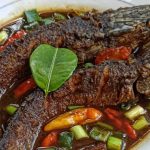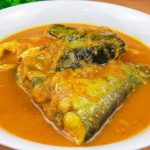
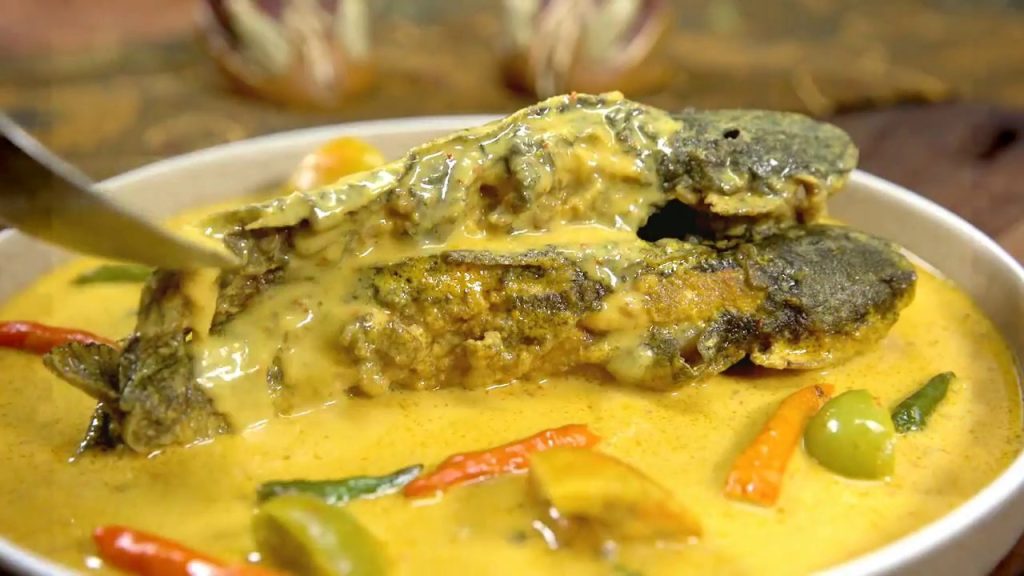

At its heart, Lele Mangut Kuah Kuning is a catfish curry. ‘Lele’ refers to catfish, a freshwater fish widely consumed across Indonesia due to its accessibility and distinct texture. ‘Mangut’ signifies a cooking technique involving grilling or smoking the fish before it’s simmered in a flavorful sauce, imparting a smoky depth that is crucial to the dish’s character. The ‘Kuah Kuning,’ or yellow gravy, is the soul of the dish, characterized by its rich, aromatic blend of spices and coconut milk, colored beautifully by turmeric.
While the term ‘Seafood Tempoyak’ might suggest a broad category, in this context, it specifically refers to the inclusion of tempoyak, a fermented durian paste, which adds a unique, tangy, and slightly funky dimension to the otherwise savory curry. This ingredient is not for the faint of heart, but for those who appreciate its acquired taste, it elevates the dish to an extraordinary level of complexity and umami.
The origins of Lele Mangut Kuah Kuning are deeply rooted in the Javanese culinary traditions, particularly in Central Java and East Java, where catfish farming is prevalent and the use of coconut milk in curries is a staple. The addition of tempoyak, however, points towards influences from Sumatra and Borneo, regions where durian and its fermented form are more commonly integrated into savory dishes.
The preparation of Lele Mangut Kuah Kuning is a multi-step process that demands patience and attention to detail. It begins with preparing the catfish. Fresh catfish are typically cleaned thoroughly, with their skin often left on to retain moisture and add texture during cooking. Some recipes advocate for marinating the catfish briefly in lime juice and salt to reduce any ‘fishy’ odor.
The ‘mangut’ aspect of the preparation involves lightly grilling or pan-searing the catfish until it’s partially cooked and slightly charred. This charring is essential for developing the smoky flavor profile that defines mangut. The goal is not to cook the fish through, but to give it a head start and imbue it with that characteristic smoky essence.
Simultaneously, the ‘Kuah Kuning’ or yellow gravy is prepared. This involves creating a spice paste, or ‘bumbu,’ which is the aromatic foundation of the curry. The core ingredients for this paste typically include shallots, garlic, ginger, galangal, turmeric (which provides the signature yellow color), candlenuts (for thickening and richness), and chilies for heat. These ingredients are usually ground into a fine paste, often using a mortar and pestle for the most authentic texture and flavor.
Once the spice paste is ready, it’s sautéed in a generous amount of cooking oil until fragrant and the raw aroma subsides. This process, known as ‘menumis,’ is crucial for unlocking the full potential of the spices. Following this, coconut milk is added, forming the base of the gravy. The quality and fat content of the coconut milk significantly impact the richness of the final dish.
Now comes the star ingredient: tempoyak. A spoonful or two of fermented durian paste is stirred into the simmering gravy. The amount used can be adjusted based on personal preference, as tempoyak has a potent flavor. It adds a sour, tangy, and subtly sweet note that cuts through the richness of the coconut milk and complements the smoky fish.
The partially grilled catfish is then gently added to the simmering yellow gravy. The fish is allowed to cook through slowly in the sauce, absorbing all the complex flavors. This simmering process also allows the gravy to thicken further and meld with the smoky notes from the fish.
Other ingredients often find their way into the pot to enhance the flavor profile. Kaffir lime leaves, lemongrass, and bay leaves are commonly added to the gravy to impart their fragrant citrusy and herbaceous aromas. Salt and sugar are used to balance the flavors, with a touch of sugar often helping to round out the tanginess of the tempoyak.
The cooking continues until the catfish is tender and flaky, and the gravy has reached the desired consistency. The dish is typically served hot, often garnished with fresh chilies or cilantro, though these are usually minimal to let the complex flavors of the curry shine.
The combination of smoky grilled catfish, the rich and aromatic yellow coconut curry, and the distinctive tang of tempoyak creates a dish that is truly unforgettable. It’s a testament to the Indonesian knack for balancing seemingly disparate flavors into a harmonious whole.
While Lele Mangut Kuah Kuning is the most common iteration, variations exist. Some regions might substitute catfish with other freshwater fish like tilapia or even freshwater prawns. The spice level can be adjusted by altering the quantity of chilies used, making it milder or spicier according to regional or personal preferences.
The inclusion of ‘Seafood Tempoyak’ in the dish’s name is significant. While catfish is a freshwater fish, the term ‘seafood’ is sometimes used broadly in Indonesian cuisine to encompass a wide range of aquatic protein sources. The defining element, however, remains the tempoyak, which is a key differentiator for this particular style of mangut.
For those new to tempoyak, it’s important to understand its unique character. Made from ripe durian fruit that has been salted and fermented for several days or weeks, it develops a strong aroma and a complex flavor profile that is both savory and slightly sweet, with a distinct tanginess. It’s an acquired taste, much like strong cheeses or fermented foods in other cultures.
The process of making tempoyak itself is relatively simple, involving mashing durian flesh with salt and allowing it to ferment in a sealed container. The duration of fermentation influences the intensity of its flavor and aroma. Younger tempoyak is tangier, while older tempoyak develops a deeper, more complex, and sometimes slightly alcoholic note.
When incorporating tempoyak into Lele Mangut Kuah Kuning, it’s often recommended to start with a small amount and taste. The goal is to add a layer of complexity, not to overpower the other ingredients. The heat from the curry and the richness of the coconut milk help to mellow the intensity of the tempoyak.
The ‘mangut’ preparation, specifically the grilling or smoking of the fish, is a critical step that distinguishes this dish from a simple fish curry. The charring not only adds flavor but also firms up the fish, preventing it from breaking apart too easily in the gravy. This technique is common in Javanese cuisine and is applied to various types of fish and even vegetables.
The ‘Kuah Kuning’ itself is a celebration of Indonesian spices. Turmeric is the star, providing not only its vibrant color but also its earthy, slightly peppery notes. Galangal, a relative of ginger, adds a sharper, more citrusy flavor. Candlenuts, when ground, contribute a creamy texture and a mild, nutty taste, acting as a natural thickener.
The balance of flavors in Lele Mangut Kuah Kuning is key. The richness of the coconut milk is balanced by the acidity of the tempoyak and the freshness of the aromatics like lemongrass and kaffir lime leaves. The heat from the chilies provides a pleasant warmth that lingers on the palate.
Serving Lele Mangut Kuah Kuning is typically done with steamed white rice, which acts as a neutral canvas to absorb the flavorful gravy. A side of fresh cucumber slices or a simple vegetable stir-fry can provide a refreshing contrast to the richness of the dish.
This dish is more than just a meal; it’s an experience. It encapsulates the adventurous spirit of Indonesian cuisine, where bold flavors and unique ingredients are embraced and celebrated. The combination of smoky, tangy, spicy, and creamy elements creates a multi-sensory delight.
For home cooks, attempting Lele Mangut Kuah Kuning can be a rewarding culinary adventure. Sourcing fresh catfish and good quality tempoyak are the first steps. Understanding the spice paste preparation and the grilling technique will set you on the right path to recreating this authentic Indonesian delicacy.
The beauty of Indonesian cooking lies in its adaptability. While this recipe focuses on catfish and tempoyak, the principles of ‘mangut’ and ‘kuah kuning’ can be applied to other proteins and flavor profiles. However, the specific interplay of smoky fish, yellow curry, and fermented durian is what makes this dish so special.
In conclusion, Lele Mangut Kuah Kuning, often enhanced with the unique character of tempoyak, is a profound expression of Indonesian culinary artistry. It’s a dish that challenges conventions, delights the senses, and offers a profound connection to the rich food culture of the archipelago. It is a journey worth taking for any food enthusiast seeking authentic and unforgettable flavors.
The nutritional profile of this dish, while rich due to coconut milk and fish, also offers benefits. Catfish is a good source of protein, and the spices used, like turmeric, are known for their antioxidant and anti-inflammatory properties. Moderation, as with any rich dish, is advised.
The aroma that fills the kitchen while preparing this dish is intoxicating. The sautéing of the spice paste, the simmering of the coconut milk, and the gentle cooking of the fish all contribute to an olfactory experience that is as satisfying as the taste itself.
The texture play is also noteworthy. The tender, flaky catfish contrasts with the creamy, luscious gravy. The occasional slight chew from the grilled edges of the fish adds another dimension, making each bite an exploration of different sensations.
Ultimately, ‘Resep Seafood Tempoyak Ikan Lele Mangut Kuah Kuning’ is not just a recipe; it’s an invitation to explore the depth and breadth of Indonesian cuisine. It represents a harmonious blend of tradition, regional influences, and a daring embrace of unique ingredients that define the soul of Indonesian cooking.
The visual appeal of the dish is also significant. The vibrant yellow hue of the curry, punctuated by the occasional red of chili or green of herbs, makes it a feast for the eyes before it even reaches the palate. It’s a dish that commands attention on the dinner table.