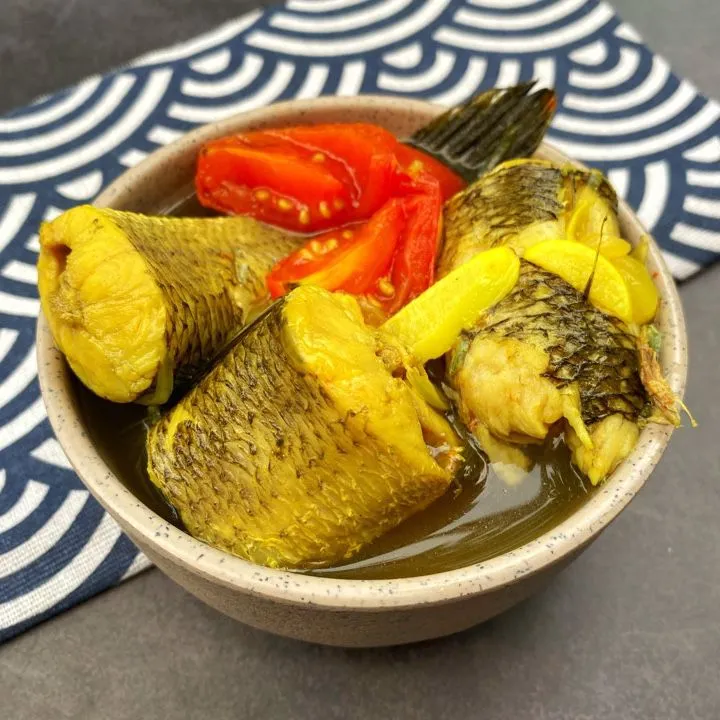
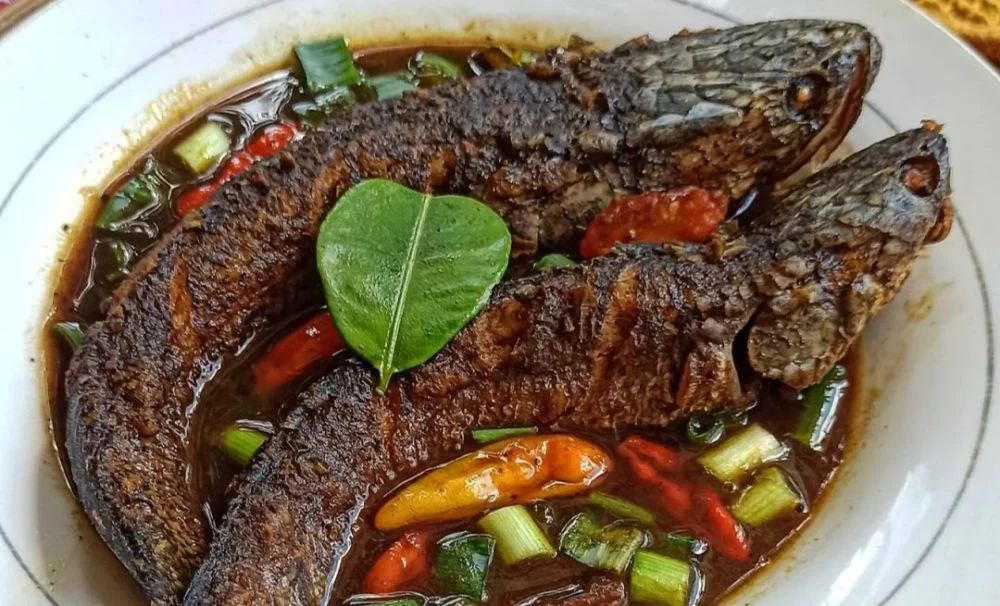

At its heart, this dish is a celebration of freshwater fish, specifically ikan gabus (snakehead fish), simmered in a vibrant yellow curry sauce. The ‘pucung’ in the name often refers to the specific blend of spices used, which can include ingredients like candlenuts, turmeric, ginger, and galangal, creating a rich and fragrant base.
The addition of tempoyak elevates this dish from delicious to extraordinary. Tempoyak, made from fermented durian, imparts a unique, pungent, and slightly sour flavor that beautifully complements the richness of the fish and the aromatic spices. It’s an acquired taste for some, but for those who appreciate its complexity, it’s an indispensable element.
Preparing Ikan Gabus Pucung Kuah Kuning is a journey that begins with selecting the freshest ingredients. For the fish, ikan gabus is preferred for its firm texture and ability to absorb flavors. Look for fish that are bright-eyed, have vibrant red gills, and firm, shiny flesh. If ikan gabus is unavailable, other firm white fish like catfish or even snapper can be used as alternatives, though the authentic flavor will be slightly different.
The star spice, tempoyak, requires careful selection. High-quality tempoyak will have a pleasant, fermented aroma without being overwhelmingly ammoniac. It should have a creamy texture and a distinct, slightly sour tang. If you’re making tempoyak from scratch, ensure the durian is ripe and fermented for the optimal period, typically a few days to a week.
The ‘Kuah Kuning’ or yellow curry sauce is the soul of this dish. The vibrant yellow hue comes primarily from turmeric, which not only provides color but also a subtle earthy flavor and numerous health benefits. The spice paste, or bumbu halus, is crucial and typically includes a blend of shallots, garlic, ginger, galangal, turmeric, candlenuts, and chilies.
To achieve the best flavor, the spice paste needs to be sautéed thoroughly until fragrant and the raw smell disappears. This process, known as ‘menumis bumbu’, is critical for developing the depth of flavor in the curry. Using freshly ground spices will yield a more aromatic and authentic result than pre-ground powders.
Candlenuts, often included in the spice paste, are essential for thickening the sauce and adding a creamy richness. They have a mild flavor and a texture that becomes smooth when ground. If candlenuts are unavailable, macadamia nuts can be a suitable substitute, though they may impart a slightly different nutty note.
The chilies used can be adjusted to personal preference. For a milder dish, deseed the chilies or use fewer of them. For those who enjoy a spicier kick, incorporate bird’s eye chilies for an intense heat.
Beyond the spice paste, the yellow curry sauce is often enhanced with aromatics like lemongrass (bruised to release its fragrance), kaffir lime leaves, and bay leaves. These impart layers of citrusy and herbal notes that complement the richness of the fish and tempoyak.
Coconut milk is another vital component, providing a creamy base for the curry. Full-fat coconut milk is recommended for the richest flavor and texture. The coconut milk is usually added towards the end of the cooking process to prevent it from curdling.
Preparing the ikan gabus itself is also important. The fish is often cut into thick pieces and sometimes lightly fried or marinated before being added to the curry. This step helps to firm up the flesh and prevent it from breaking apart during simmering, while also adding an extra layer of flavor.
A common method involves marinating the fish pieces with salt and lime juice to reduce any fishy odor and to tenderize the meat. Some recipes also call for lightly pan-frying the fish until it’s golden brown on the outside. This not only enhances its texture but also seals in the juices.
The cooking process itself is relatively straightforward once the ingredients are prepared. The sautéed spice paste is simmered with aromatics, then coconut milk and water are added to form the broth. The fish pieces are then gently added and simmered until cooked through.
The tempoyak is typically introduced towards the later stages of cooking. It’s important not to overcook the tempoyak, as this can diminish its unique flavor. Stirring it into the simmering curry allows its tangy notes to meld with the other ingredients.
Seasoning is key to a perfectly balanced dish. Salt, sugar, and a touch of tamarind paste (for extra tanginess, if needed) are used to adjust the flavor profile. Taste and adjust as you go, ensuring a harmonious blend of savory, spicy, sour, and umami.
Serving Ikan Gabus Pucung Kuah Kuning is best done hot, accompanied by steamed white rice. The fluffy rice acts as a perfect canvas to soak up the rich, flavorful curry. A sprinkle of fresh cilantro or thinly sliced red chilies can add a touch of freshness and visual appeal.
This dish is a staple in many Indonesian households, particularly in regions where durian is abundant. It represents a culinary heritage that embraces bold flavors and traditional fermentation techniques. The combination of freshwater fish, aromatic spices, and the unique tang of tempoyak creates a truly memorable dining experience.
For those new to tempoyak, it’s advisable to start with a smaller amount and gradually increase it to appreciate its distinctive character. The fermentation process gives it a pungent aroma, but its taste is often described as a delightful balance of sour and savory with a hint of sweetness.
The health benefits associated with the ingredients are also noteworthy. Turmeric is a powerful anti-inflammatory and antioxidant. Ginger and galangal aid digestion. Garlic and shallots are known for their immune-boosting properties. Even durian, while high in calories, contains beneficial nutrients.
Experimentation is encouraged. While the core recipe remains consistent, variations exist. Some families add other vegetables like long beans or eggplant to the curry. Others might include a dash of shrimp paste (terasi) for an extra layer of umami.
The texture of the final dish should be a delightful contrast: tender, flaky fish in a thick, rich, and aromatic sauce. The slight tartness from the tempoyak cuts through the richness, preventing the dish from becoming too heavy.
When sourcing ingredients, visiting local markets can be an excellent way to find the freshest produce and spices. Look for vendors who specialize in traditional Indonesian ingredients for the most authentic flavors.
The preparation of the spice paste can be time-consuming, but it is the foundation of the dish’s flavor. Using a mortar and pestle for grinding spices can result in a superior texture and aroma compared to a food processor, though a food processor is a convenient alternative.
The cooking time for the fish will depend on the size of the pieces. Ensure the fish is cooked through but not overcooked, which would result in a dry or mushy texture. The curry sauce should be simmered long enough for the flavors to meld beautifully.
Leftovers, if any, can be stored in an airtight container in the refrigerator for a couple of days. The flavors often deepen and meld further overnight, making it even more delicious the next day.
Ikan Gabus Pucung Kuah Kuning is more than just a meal; it’s a cultural experience. It embodies the spirit of Indonesian cuisine – rich, complex, and deeply rooted in tradition. The use of fermented ingredients like tempoyak highlights a culinary ingenuity that transforms humble ingredients into something extraordinary.
The aroma that fills the kitchen while this dish is cooking is truly intoxicating. The fragrant spices, the creamy coconut milk, and the unique scent of tempoyak create an olfactory symphony that promises a delicious meal.
For those who are adventurous eaters, this dish is a must-try. It offers a taste of authentic Indonesian flavors that are both comforting and exciting. The interplay of textures and tastes is what makes it so captivating.
Ultimately, mastering Ikan Gabus Pucung Kuah Kuning with Tempoyak is about understanding the balance of flavors and respecting the ingredients. It’s a dish that rewards patience and attention to detail, offering a truly unforgettable culinary journey.