
Tempoyak, at its core, is a type of fermented food made from the flesh of durian. This process, often involving salting and natural fermentation over several days or weeks, transforms the creamy, sweet fruit into a condiment with a strong, tangy, and somewhat ammoniac flavor. While it might sound unusual to the uninitiated, tempoyak is a beloved ingredient in many parts of Sumatra and Kalimantan, celebrated for its ability to enhance the umami of dishes.
The ‘Ikan Sepat’ or snakehead fish, is a freshwater fish that is lean, firm, and holds its texture well during cooking. It has a mild, slightly sweet flavor that pairs beautifully with the robust profile of tempoyak. Its ability to absorb marinades and broths makes it an ideal choice for this dish, ensuring every bite is infused with flavor.
The ‘Kuah Kuning’ or yellow broth, is the soul of many Indonesian fish dishes. It’s characterized by its bright yellow hue, derived from turmeric, and its complex aromatic profile. This broth is typically built upon a base of sautéed aromatics such as shallots, garlic, ginger, and chili, further enhanced with spices like lemongrass, galangal, kaffir lime leaves, and coriander.
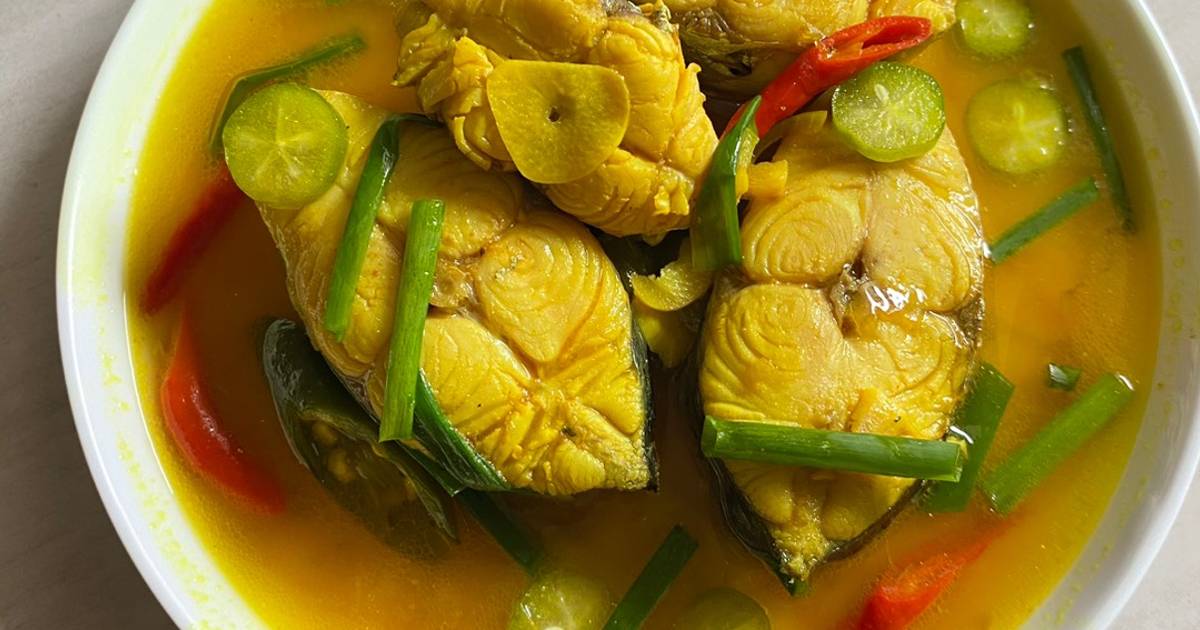
Combining these three elements – tempoyak, ikan sepat, and kuah kuning – results in a dish that is both challenging and rewarding. It’s a testament to Indonesian culinary ingenuity, where ingredients are transformed through fermentation and skillful blending of spices to create something truly extraordinary.
To truly appreciate ‘Resep Seafood Tempoyak Ikan Sepat Kuah Kuning’, one must understand the role of each component. The tempoyak provides a unique sourness and depth, acting as a natural flavor enhancer and tenderizer. The ikan sepat offers a delicate protein base, absorbing the surrounding flavors. The kuah kuning binds everything together with its warmth, spice, and fragrant aromatics.
Preparing this dish involves several steps, each crucial for achieving the perfect balance of flavors. It begins with the preparation of the tempoyak, which can be bought pre-made or prepared at home. For those preparing it at home, ripe durian flesh is mashed, mixed with salt, and left to ferment in a sealed container for several days until it develops its characteristic pungent aroma and tangy taste.
Next, the ikan sepat needs to be cleaned and prepared. Typically, the fish is scaled, gutted, and sometimes cut into pieces. A light marination with salt and lime juice can help to reduce any potential fishiness and prepare it for the cooking process.
The heart of the dish lies in the preparation of the ‘bumbu halus’ or spice paste for the kuah kuning. This paste is usually made by grinding together a mixture of shallots, garlic, turmeric, ginger, galangal, chilies, and sometimes candlenuts (kemiri) for richness. The quality and freshness of these spices are paramount to the dish’s final flavor.
Once the spice paste is ready, it’s sautéed in oil until fragrant and the raw aroma dissipates. This step, known as ‘menumis’, is critical for developing the deep flavors of the broth. Aromatics like lemongrass stalks (bruised), kaffir lime leaves, and bay leaves are often added during this stage to infuse their essential oils.
The tempoyak is then introduced into the sautéed spice paste. It’s important to cook the tempoyak briefly with the spices to mellow its pungency and integrate its flavor more harmoniously with the other ingredients. Some recipes suggest rinsing the tempoyak slightly if its flavor is too intense for your preference.
Water or coconut milk is then added to create the broth. Coconut milk will lend a richer, creamier texture and a subtle sweetness, while water will result in a lighter, more broth-like consistency. The choice often depends on regional variations and personal preference.
As the broth begins to simmer, the prepared ikan sepat is carefully placed into the liquid. The fish is cooked gently until it is tender and flakes easily. Overcooking should be avoided to maintain the fish’s delicate texture.
Seasoning is a crucial final step. Salt and sugar are adjusted to balance the sourness of the tempoyak, the savoriness of the fish, and the warmth of the spices. Some cooks also add a touch of fish sauce or shrimp paste (terasi) for an extra layer of umami, though this should be done judiciously so as not to overpower the other flavors.
The dish is typically served hot, often accompanied by steamed white rice. The rice acts as a perfect neutral canvas to absorb the complex flavors of the kuah kuning and the unique tang of the tempoyak.
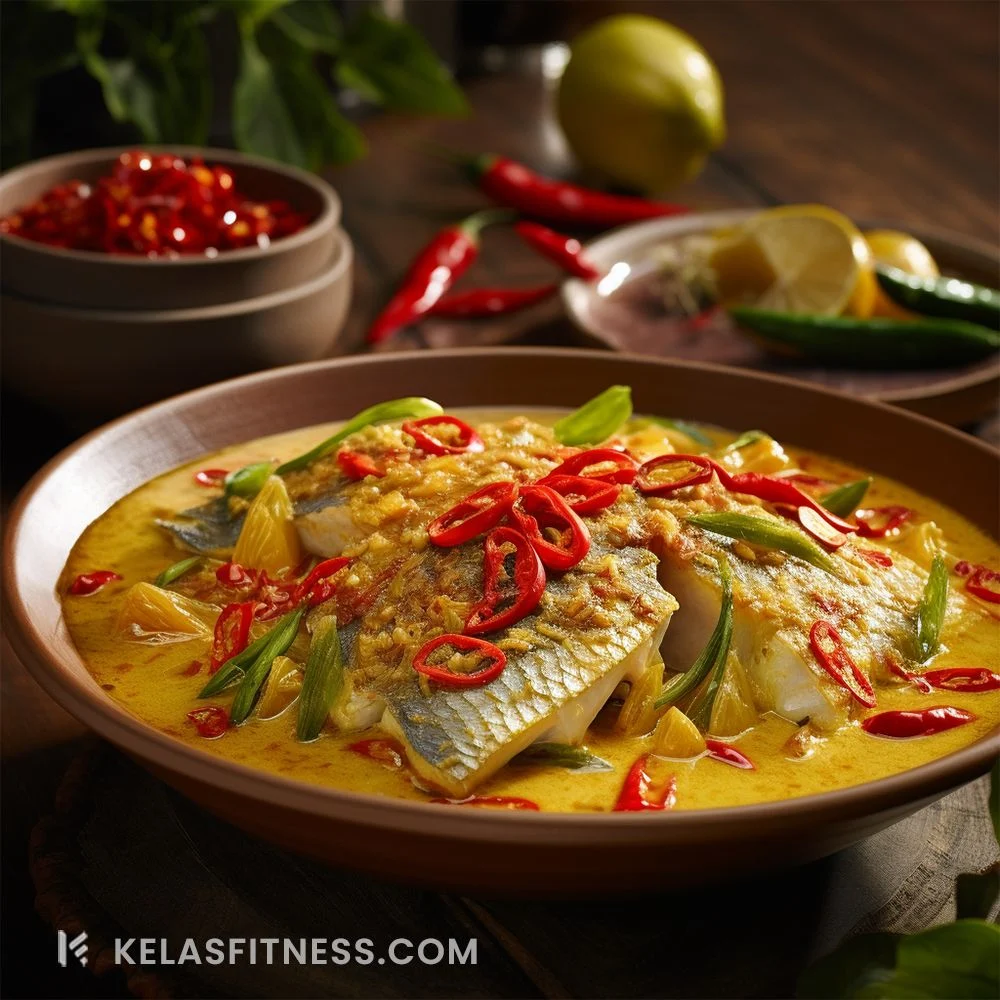
Garnishes can elevate the presentation and add fresh notes. Sliced chilies, fresh cilantro, or thinly sliced spring onions are common additions that provide visual appeal and a burst of freshness.
Variations of this recipe abound. Some might use different types of fish, such as tilapia or catfish, while others might add vegetables like tomatoes or long beans to the broth. The spice paste can also be adjusted to cater to different heat preferences.
For those new to tempoyak, it’s advisable to start with a smaller amount or seek out a milder, well-fermented product. The flavor is intense and can be polarizing, but for those who enjoy it, it offers an unparalleled depth of savory and sour notes.
The preparation of ‘Resep Seafood Tempoyak Ikan Sepat Kuah Kuning’ is more than just cooking; it’s an immersion into a culinary tradition that values bold flavors and resourceful use of ingredients. It speaks to the history and culture of the regions where it originates.
The health benefits of fermented foods like tempoyak are also worth noting. Fermentation can enhance the digestibility of food and introduce beneficial probiotics, contributing to gut health.
The vibrant yellow color of the broth, thanks to turmeric, is not just aesthetically pleasing but also signifies the presence of curcumin, a powerful antioxidant with anti-inflammatory properties.
When sourcing ingredients, fresh ikan sepat is ideal. If fresh is unavailable, frozen can be used, ensuring it’s thawed properly before cooking. For tempoyak, local markets or specialty Asian grocery stores are your best bet.
The cooking process requires patience. Allowing the spice paste to ‘pecah minyak’ (break oil) and the flavors to meld is essential for a truly delicious outcome.
Consider the chilies. The type and quantity of chilies used will significantly impact the heat level. For a milder dish, deseed the chilies or use less potent varieties. For a fiery experience, incorporate bird’s eye chilies.
The aroma that fills the kitchen as this dish cooks is intoxicating – a complex blend of pungent durian, aromatic spices, and savory fish. It’s a scent that promises a unique and memorable meal.
Pairing this dish with a simple side of steamed vegetables can provide a refreshing counterpoint to the richness of the broth and the intensity of the tempoyak.
For a truly authentic experience, serve this dish in traditional Indonesian earthenware or on banana leaves, enhancing the rustic charm.
The beauty of this recipe lies in its adaptability. While ‘ikan sepat’ is traditional, feel free to experiment with other firm white fish. The core flavor profile remains robust enough to handle variations.
Understanding the fermentation process of tempoyak is key to appreciating its role. It’s not just a souring agent; it’s a flavor developer that adds layers of complexity unmatched by simple lime or vinegar.
When serving, ensure the fish pieces are easily accessible and the broth is plentiful. The goal is for diners to be able to scoop up the flavorful broth with their rice.
This recipe is a gateway to exploring more adventurous Indonesian flavors. If you enjoy the unique taste of tempoyak, you might also explore dishes like Tempoyak Udang (shrimp tempoyak) or Sambal Tempoyak.
The culinary journey of ‘Resep Seafood Tempoyak Ikan Sepat Kuah Kuning’ is one that rewards the adventurous palate. It is a dish that tells a story of local ingredients, traditional techniques, and a profound appreciation for flavor complexity.