
Understanding the core components is crucial for success. Tempoyak, the fermented durian, is the soul of this dish. Its preparation involves fermenting ripe durian flesh for several days until it develops a distinct sour and pungent aroma. This fermentation process transforms the sweet fruit into a condiment with a bold, umami-rich profile that is indispensable to dishes like this. The quality and fermentation stage of your tempoyak will significantly impact the final taste, so sourcing or preparing it with care is paramount.
Shark meat (ikan hiu) offers a unique texture and flavor profile. It’s often described as firm yet tender, with a mild taste that readily absorbs the surrounding flavors of the curry and tempoyak. When selecting shark meat, opt for cuts that are fresh and firm. Common choices include mako, blue shark, or even reef shark, depending on local availability. Ensure the meat is properly cleaned and cut into bite-sized pieces to ensure even cooking and ease of eating.
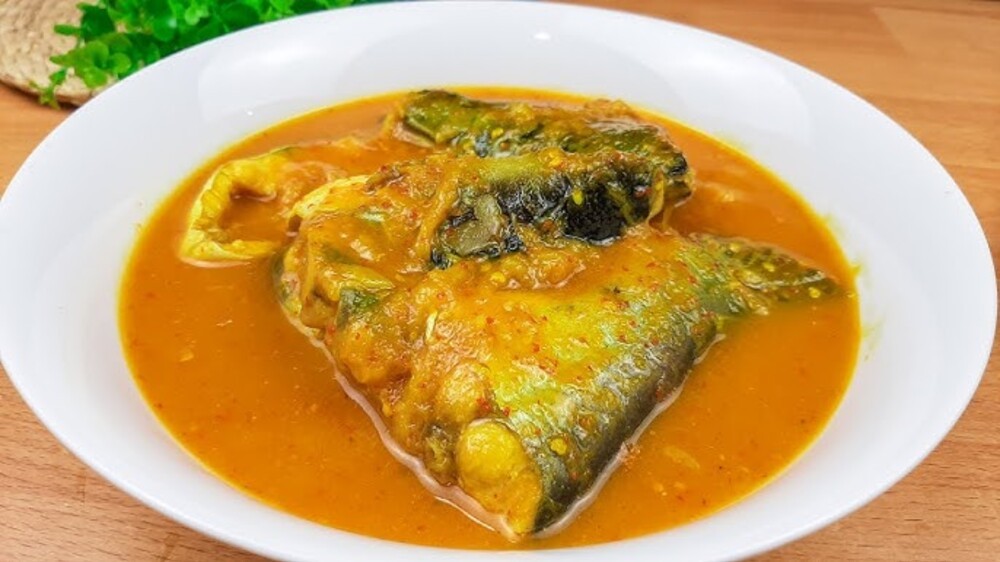
The ‘kuah kuning’ or yellow curry broth is the unifying element. Its vibrant color and aromatic complexity come from a blend of fresh turmeric, ginger, galangal, lemongrass, garlic, shallots, and chilies, all pounded into a paste and sautéed to release their full fragrance. The addition of coconut milk lends a creamy richness, balancing the tanginess of the tempoyak and the subtle brininess of the shark.
Preparing the tempoyak itself is a process that requires patience. Ripe durian flesh is mashed and placed in a clean, airtight container. It’s then left to ferment at room temperature for 3 to 7 days, depending on how sour you prefer it. Regular tasting is advised to achieve the desired level of fermentation. Once fermented, it’s ready to be incorporated into your dish.
For the ‘kuah kuning’ paste, begin by finely chopping or pounding fresh turmeric, ginger, galangal, garlic, and shallots. The ratio of these aromatics is key to achieving the perfect balance. Add fresh red chilies for heat, adjusting the quantity according to your spice preference. Some recipes also include candlenuts for added richness and a smoother texture.
Sautéing the spice paste is a critical step. Heat a generous amount of cooking oil in a pot or wok. Add the pounded spice paste and sauté over medium heat until it becomes fragrant and the oil separates from the paste. This process, known as ‘menumis,’ is essential for unlocking the full flavor and aroma of the spices. Be patient and ensure the paste is cooked through to avoid a raw spice taste.
Once the spice paste is well-sautéed, it’s time to introduce the tempoyak. Add the fermented durian paste to the pot and stir it into the spice mixture. Cook for a few minutes, allowing the tempoyak to meld with the aromatics. This step helps to mellow the pungent aroma of the durian while infusing the paste with its unique flavor.
Next, add the shark meat. Gently place the shark pieces into the pot, ensuring they are coated with the spiced tempoyak mixture. Stir carefully to avoid breaking the delicate shark flesh. Allow the shark to sear slightly for a minute or two, which helps to firm up its texture.
Pour in the coconut milk and water (or stock). The amount of liquid will determine the consistency of your curry. Stir well to combine all the ingredients. Bring the mixture to a gentle simmer. Avoid boiling vigorously, as this can cause the coconut milk to curdle.
Seasoning is crucial. Add salt, sugar, and perhaps a touch of tamarind paste for extra tanginess if needed. Taste and adjust the seasonings as you go. The goal is a harmonious balance between the sourness of the tempoyak, the savory curry, and the mild shark meat.
Simmer the curry gently until the shark meat is cooked through and tender. This usually takes about 10-15 minutes, depending on the thickness of the shark pieces. The sauce should thicken slightly to a rich, luscious consistency. If it becomes too thick, add a little more water or coconut milk.
For an authentic touch, some variations include adding other seafood like prawns, squid, or fish balls. These can be added towards the end of the cooking process to prevent overcooking. The combination of different seafood textures adds another layer of complexity to the dish.
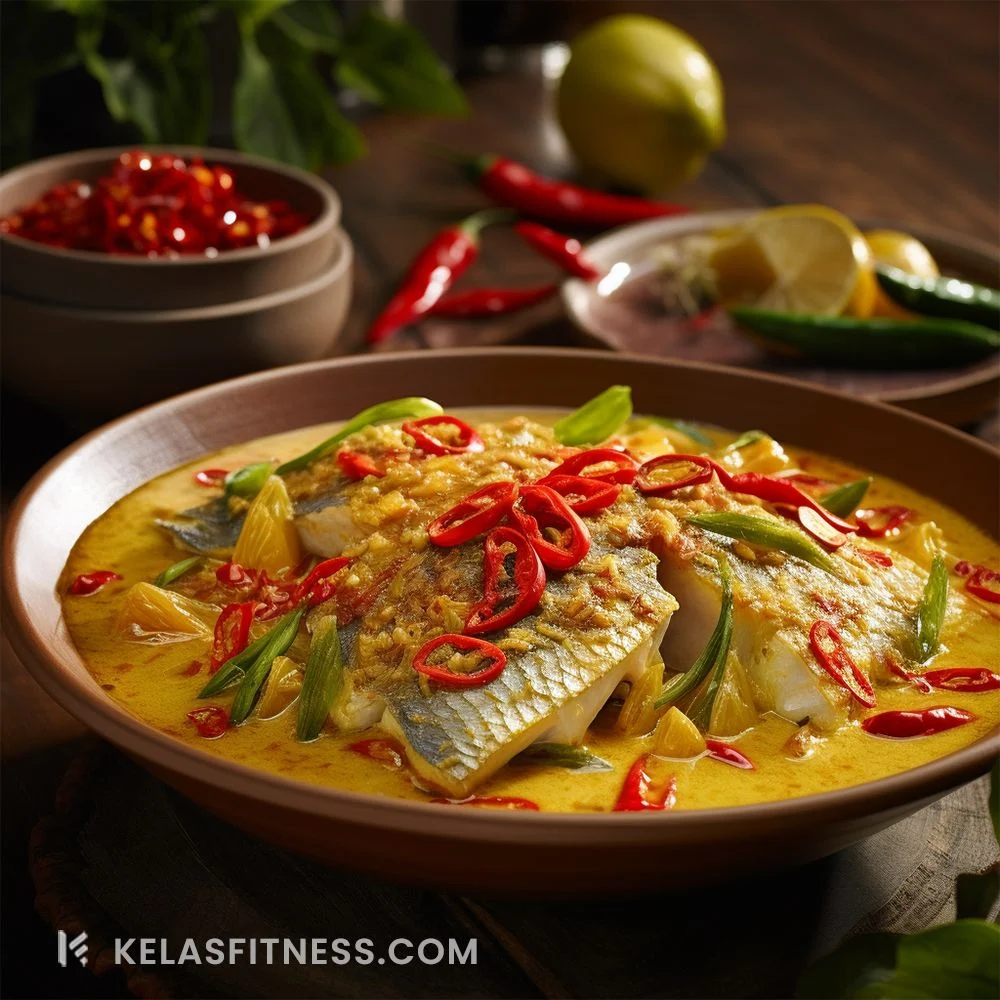
Garnishes play a significant role in enhancing both the visual appeal and the flavor profile. Fresh herbs like cilantro, Thai basil, or thinly sliced bird’s eye chilies can be added just before serving. A squeeze of lime or calamansi juice can also add a bright, refreshing note.
Serving suggestions often include steamed white rice, which acts as the perfect canvas to soak up the flavorful kuah kuning. The simplicity of the rice contrasts beautifully with the richness and complexity of the seafood tempoyak.
The aroma of this dish is truly captivating. The initial pungent notes of the durian give way to a symphony of fragrant spices, creating an olfactory experience that is as intriguing as the taste itself. It’s a scent that promises adventure and culinary delight.
When it comes to sourcing ingredients, fresh is always best. For the tempoyak, look for reputable Asian markets or specialty stores. If making it at home, ensure you use ripe, good-quality durian. For the shark meat, consult your local fishmonger for the freshest cuts.
Turmeric is the star ingredient for the yellow color and its earthy flavor. Use fresh turmeric root for the most vibrant color and authentic taste. Ground turmeric can be used in a pinch, but the flavor and color may be less intense.
Lemongrass adds a citrusy, floral note that cuts through the richness of the coconut milk and tempoyak. Bruise the stalks before adding them to release their essential oils.
Galangal, similar to ginger but with a more peppery and pine-like flavor, adds another layer of aromatic complexity. Ensure it’s fresh and firm for the best results.
The chili peppers provide the heat. Bird’s eye chilies are common for their fiery kick, but you can use milder varieties like red chilies if you prefer less spice. Remove the seeds for a milder heat.
Coconut milk is essential for the creamy texture and rich flavor of the kuah kuning. Full-fat coconut milk will yield the best results. Shake the can well before opening.
Troubleshooting common issues is part of the cooking process. If your tempoyak is too sour, you can balance it with a little more sugar or coconut milk. If the curry is too thin, simmer it uncovered for a bit longer. If it’s too thick, add more liquid.
The culinary significance of this dish lies in its ability to showcase the inventive use of local ingredients. Tempoyak, a product of fermentation, highlights a traditional method of food preservation and flavor enhancement that is deeply rooted in Southeast Asian culture.
The use of shark meat, while perhaps uncommon in some Western cuisines, is a sustainable choice in many regions where shark populations are managed. It offers a lean protein source with a unique culinary appeal.
Experimentation is encouraged. While the core recipe is traditional, feel free to adjust the spice levels, the type of chilies used, or even add other vegetables like eggplant or long beans to the curry.
The cooking time for shark meat is relatively short. Overcooking can make it tough and rubbery, so keep an eye on it and remove it from the heat as soon as it’s cooked through.
For a deeper flavor, you can marinate the shark meat briefly in a little turmeric powder and salt before adding it to the curry. This helps to remove any fishy odor and imparts a subtle flavor.
The visual appeal of ‘Seafood Tempoyak Ikan Hiu Kuah Kuning’ is striking. The vibrant yellow broth, flecked with green herbs and red chilies, is a feast for the eyes, promising a bold and exciting culinary experience.
This dish is best enjoyed fresh, as the flavors continue to develop and meld. Leftovers can be stored in an airtight container in the refrigerator for up to two days, though the texture of the shark meat might change slightly.
Sharing this dish with friends and family is a wonderful way to experience its communal spirit. It’s a conversation starter, a dish that sparks curiosity and appreciation for diverse culinary traditions.
In conclusion, ‘Seafood Tempoyak Ikan Hiu Kuah Kuning’ is more than just a recipe; it’s an exploration of flavor, culture, and culinary heritage. By understanding each component and following these tips, you can recreate this extraordinary dish and embark on your own delicious journey.