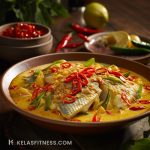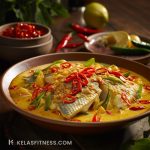


The foundation of this exquisite dish lies in its unique key ingredient: tempoyak. Tempoyak is essentially fermented durian, a process that transforms the pungent, creamy fruit into a condiment with a sharp, tangy, and distinctly savory profile. While durian itself is a love-it-or-hate-it fruit, its fermented form, tempoyak, possesses a more nuanced complexity that lends itself beautifully to savory dishes. The fermentation process, typically involving salt and time, mellows the overwhelming sweetness and amplifies its umami characteristics, making it an indispensable element in many regional cuisines.
The star protein of this recipe is Ikan Tenggiri, commonly known as Mackerel. This oily fish is prized for its firm texture and rich flavor, which stands up exceptionally well to robust sauces and spices. Its natural oiliness also contributes to the succulence of the dish, preventing the fish from drying out during the cooking process. When selecting ikan tenggiri, look for fresh, firm fillets with a bright, clear appearance. The quality of the fish will significantly impact the final taste of the tempoyak.
The ‘Kuah Kuning’ or yellow broth is the soul of the dish, deriving its vibrant hue and complex aroma from a generous use of fresh turmeric. Turmeric not only imparts a beautiful golden color but also offers a subtle earthy flavor and a host of health benefits, thanks to its active compound, curcumin. Beyond turmeric, the broth is typically enriched with a symphony of aromatics. Shallots, garlic, and ginger form the essential base, providing layers of pungent sweetness and warmth. Lemongrass adds a bright, citrusy note, while chilies, depending on preference, can introduce a welcome kick of heat.
The preparation of Seafood Tempoyak Ikan Tenggiri Kuah Kuning is a testament to the art of balancing bold flavors. The initial step often involves preparing the spice paste, or bumbu, which is the heart of the broth. Fresh ingredients like turmeric, ginger, garlic, shallots, and chilies are typically pounded or blended into a smooth paste. This paste is then sautéed until fragrant, releasing its aromatic oils and forming the flavorful base for the broth.
Once the spice paste is fragrant, coconut milk is usually introduced. This creamy liquid forms the base of the ‘kuah kuning,’ providing a rich and luxurious texture. The tempoyak is then added to the simmering coconut milk and spice mixture. This is a crucial stage where the pungent tempoyak begins to meld with the other flavors, its sharp tanginess mellowing into a complex umami depth that complements the fish and spices.
The ikan tenggiri fillets are then gently added to the simmering broth. It’s important not to overcook the fish. Mackerel cooks relatively quickly, and overcooking can lead to a dry, flaky texture. The fish is typically submerged in the broth and allowed to poach gently until it is just cooked through, absorbing the delicious flavors of the tempoyak and turmeric broth.
Beyond the core ingredients, various other elements contribute to the dish’s complexity. Tamarind paste (asam jawa) is often used to add a touch of sourness, further balancing the richness of the coconut milk and the tang of the tempoyak. Belacan, a fermented shrimp paste, is another common addition that amplifies the umami profile, lending a deep savory note that is characteristic of many Southeast Asian dishes.
The choice of chilies can significantly alter the dish’s character. For a milder flavor, dried chilies or a smaller quantity of fresh red chilies can be used. For those who enjoy a spicier palate, bird’s eye chilies or a more generous amount of red chilies can be incorporated. The chilies are usually part of the initial spice paste, infusing their heat throughout the broth.
Garnishes play a vital role in elevating the presentation and flavor of Seafood Tempoyak Ikan Tenggiri. Fresh herbs like cilantro or Vietnamese mint (daun kesum) can add a burst of freshness and a contrasting herbaceous note. Sliced red chilies or a sprinkle of fried shallots can provide visual appeal and an additional layer of texture and flavor.
The cultural significance of this dish cannot be overstated. In regions where durian is abundant, tempoyak is a staple, used in a variety of dishes from curries to stir-fries. The preparation of tempoyak itself is a traditional practice, often passed down through generations. Serving Seafood Tempoyak Ikan Tenggiri Kuah Kuning is a way of honoring culinary heritage and sharing a taste of home with family and friends.
For those new to tempoyak, it is advisable to start with a smaller amount. The flavor is intense, and a little goes a long way. The goal is to achieve a balanced flavor profile where the tempoyak enhances, rather than overpowers, the other ingredients. Adjusting the quantity based on personal preference is key to mastering this dish.
The cooking process requires attention to detail. Ensuring the spice paste is properly sautéed is crucial for developing deep flavors. Similarly, controlling the heat when adding the coconut milk prevents it from splitting. Gentle simmering is preferred to intense boiling, which can break down the delicate fish and diminish the broth’s texture.
The type of ikan tenggiri used can also vary. While fresh mackerel is ideal, frozen fillets can also be used. If using frozen fish, ensure it is thawed completely and patted dry before cooking. The size of the fillets should also be considered to ensure even cooking within the broth.
Variations of this dish exist across different regions and households. Some may add other types of seafood like prawns or squid, further enhancing the ‘seafood’ aspect. Others might incorporate different vegetables, such as long beans or eggplant, to add texture and nutritional value to the dish.
The consistency of the ‘kuah kuning’ can also be adjusted. For a thicker, richer broth, more coconut milk can be used, or the broth can be simmered for a longer period to reduce. For a lighter broth, a portion of the coconut milk can be substituted with water or chicken/fish stock.
Serving this dish is typically done hot, accompanied by steamed white rice. The fluffy rice acts as a perfect canvas to absorb the flavorful broth, making each mouthful a delightful experience. A squeeze of lime or a dash of soy sauce can be offered on the side for those who wish to further customize their meal.
The aroma that fills the kitchen while this dish is being prepared is truly intoxicating. The pungent notes of tempoyak, the earthy warmth of turmeric, and the fragrant spices create an olfactory symphony that promises a delicious meal ahead.
When sourcing tempoyak, it can often be found in Asian specialty stores or markets, particularly those catering to Malaysian or Indonesian communities. If fresh durian is available, one can even attempt to make tempoyak at home, a rewarding process that offers complete control over the fermentation.
The health benefits associated with the ingredients are noteworthy. Turmeric is a potent anti-inflammatory, ginger aids digestion, and the fish provides essential omega-3 fatty acids. While coconut milk is rich, it offers healthy fats. Tempoyak, being a fermented food, can also contribute to gut health.
Reheating leftovers should be done gently. Overheating can cause the fish to break apart and the broth to become oily. It is best to reheat on the stovetop over low heat, stirring occasionally, until warmed through.
For those with a sensitive palate to strong flavors, starting with a less ripe tempoyak might be a good option. The ripeness of the durian used for fermentation will influence the intensity of the tempoyak’s flavor. Younger tempoyak tends to be tangier, while more mature tempoyak can be more pungent.
The texture of the ikan tenggiri is paramount. It should be flaky and tender, easily separating from the bone (if cooked with bone-in) or breaking apart with a fork. This indicates that it has been cooked perfectly within the aromatic broth.
The balance of flavors is the ultimate goal. The interplay between the tangy tempoyak, the savory spices, the creamy coconut milk, and the tender fish should create a harmonious and satisfying taste experience. It’s a dish that rewards patience and careful attention to detail.
Experimentation is encouraged. While the core recipe remains consistent, home cooks can adjust the spice levels, the tanginess from tamarind, and the richness from coconut milk to suit their individual preferences. This adaptability is part of the charm of traditional Southeast Asian cooking.
Seafood Tempoyak Ikan Tenggiri Kuah Kuning is a dish that represents the soul of regional cuisine. It’s a celebration of local ingredients, time-honored techniques, and the joy of sharing a flavorful meal.
The process of making this dish can be a wonderful opportunity for culinary exploration. It encourages an understanding of fermentation, the use of aromatic spices, and the art of balancing diverse flavors to create something truly special.
Ultimately, this dish is a testament to the ingenuity of cooks who have harnessed the unique properties of ingredients like durian and turmeric to create a symphony of taste and aroma. It’s a dish that lingers in the memory long after the last bite.